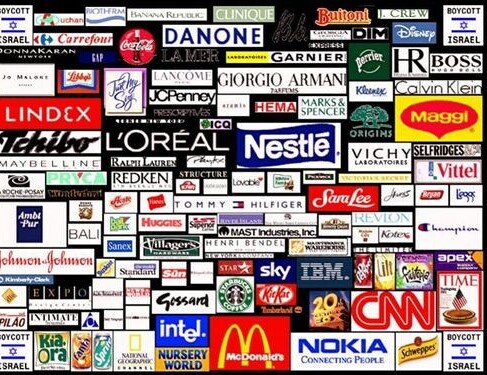
Ayesha: You know, I’ve been hearing a lot about boycotts related to the Israel-Palestine conflict lately. But do you think it really makes a difference? Especially for us, as South Asian women?
Sara: Oh, it definitely can make a difference! Boycotts have historically been a powerful tool for social and political change, and when it comes to Palestine, a lot of brands have ties to companies or governments involved in that conflict. For South Asian women, participating in these boycotts is a way to make a stand, not just for Palestine, but against oppression in general.
Ayesha: Hmm, I get the emotional appeal, but how does it work on a practical level? I mean, boycotting a brand seems like a drop in the ocean.
Sara: That’s a common feeling, but the real power of a boycott comes from collective action. When people in large numbers stop supporting certain brands, it hits those companies where it hurts the most—financially. And beyond that, it sends a clear message to governments and institutions about public opinion. Remember the anti-apartheid movement in South Africa? International boycotts played a huge role in ending apartheid.
Ayesha: Wow, I hadn’t thought about the historical context like that. But why should South Asian women care specifically?
Sara: Well, think about it. South Asian women have a long history of fighting oppression—whether it’s colonialism, gender inequality, or social injustices. Many of us can relate to the struggles of marginalized communities, including Palestinians. By participating in these boycotts, South Asian women can stand in solidarity with people facing oppression, which connects to our own experiences of advocating for justice.
Ayesha: That’s true. But what kinds of brands are people boycotting in relation to the conflict?
Sara: Many people focus on companies that directly or indirectly support the Israeli government’s actions in Palestine, such as by providing resources or services to the military, settlements, or industries that benefit from the occupation. For example, boycotts often target companies involved in construction or technology sectors that supply surveillance or defense tools.
Ayesha: And how do people know which brands to boycott? It seems like a lot of research.
Sara: Luckily, there are organizations that do the research for you. Groups like the BDS (Boycott, Divestment, and Sanctions) movement provide lists of companies tied to the occupation of Palestinian lands. They make it easier to identify brands that people can boycott.
Ayesha: That’s helpful. But boycotting just a few companies—how does that change the bigger picture?
Sara: It’s not just about the companies themselves. Boycotts are symbolic too. When brands start losing customers, they take notice. And when movements grow, they attract media attention, which puts pressure on political leaders to act. The boycott is as much about raising awareness as it is about stopping sales.
Ayesha: Hmm, I see. But what do we do if people accuse us of being “anti-something,” like anti-Semitic, just because we’re boycotting certain brands?
Sara: That’s an important concern. It’s crucial to make it clear that these boycotts are against the policies of the Israeli government and companies profiting from the occupation, not against Jewish people or Israel as a whole. The focus is on human rights and justice for Palestinians. Keeping the conversation around human rights helps clarify the purpose and intention behind the boycott.
Ayesha: Makes sense. So, for South Asian women, how can we get involved while making a real impact?
Sara: There are many ways! First, get informed. Educate yourself about the brands and the issues, then share that knowledge with your community. Social media is a great platform to spread the word, whether through posts, stories, or hashtags. You can also support Palestinian-owned businesses and organizations working for peace. And if you’re part of any local groups or collectives, encourage discussions and organize support. Even small actions, like talking to friends and family about why you’re boycotting certain brands, can help build momentum.
Ayesha: I like that. It feels more empowering to be part of something bigger. And this isn’t just about Palestine, right? It’s about standing up against all forms of oppression?
Sara: Exactly! For South Asian women, participating in these boycotts isn’t just about supporting Palestine—it’s about supporting the values we believe in, like justice, equality, and human dignity. Whether it’s standing up for gender rights or speaking out against racial injustice, this is another way we can contribute to a global movement.
No Responses