Here’s a conversation about the economic impact of boycotting brands:
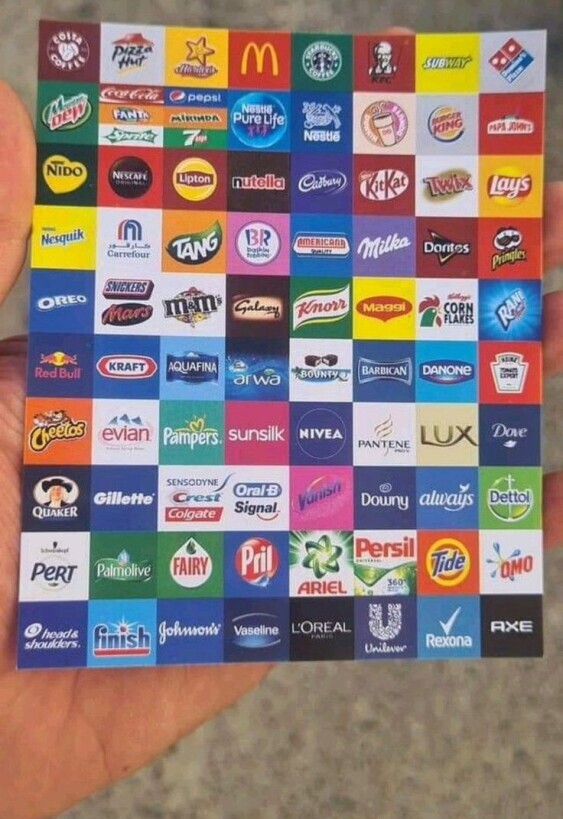
Ayesha: I’ve been thinking about joining a boycott, but I’m curious—what kind of economic impact can we really expect when we stop supporting certain brands?
Sara: Great question! Boycotts can have a significant economic impact, depending on how widespread they are. When enough people stop buying a product or service, companies see a direct loss in revenue. This forces them to rethink their practices or associations that led to the boycott in the first place.
Ayesha: That makes sense. But don’t these big companies have huge resources? Can they just ride it out without making any real changes?
Sara: It’s true that larger companies often have deep pockets, but they aren’t immune to consumer pressure. Even a small dip in profits can raise red flags for investors, especially if the boycott garners media attention. Over time, sustained boycotts can hurt a company’s brand image and market value. Public perception is key in today’s economy, and no company wants to be seen as controversial or unethical.
Ayesha: So, is it more about the long-term impact rather than an immediate financial hit?
Sara: Exactly. While the short-term loss in sales might not cripple a big company, the long-term impact comes from damaging their reputation and losing customer trust. If a boycott is effective, it can lead to changes in policies or practices because companies want to protect their brand image. Also, if other organizations or countries join the boycott, the pressure multiplies.
Ayesha: I see. But what about the smaller businesses tied to these big brands? Don’t they get affected as well?
Sara: That’s a valid concern. Sometimes, smaller retailers or employees who are indirectly connected to the larger company might feel the effects of a boycott. But here’s where we can be strategic—if we’re boycotting certain brands, we should try to support ethical alternatives, like local businesses or companies with better practices. That way, we’re not just boycotting, but also actively redirecting our economic power to brands that align with our values.
Ayesha: That’s a good point. But when companies do start feeling the pressure, what kind of changes can we expect them to make?
Sara: If a boycott is successful, companies may respond by distancing themselves from the practices or policies that sparked it. For example, they might end partnerships with controversial entities or change how they operate in certain regions. Some companies might issue public statements, while others might quietly make adjustments to avoid further backlash.
Ayesha: Have there been any examples of this happening before?
Sara: Absolutely! Think about the global boycotts around environmental issues or labor practices. Some clothing companies were forced to reassess their supply chains after consumers demanded better working conditions in factories. Similarly, tech companies have changed policies related to data privacy because of public pressure. In the context of Palestine, we’ve seen brands face boycotts due to their ties with the Israeli government or settlements, which has sometimes led to them pulling out of certain regions.
Ayesha: That’s interesting. But boycotts sound like they can take a while to show results, right?
Sara: They do. Boycotts aren’t usually quick fixes. They require sustained effort and awareness-building. It’s not just about stopping purchases for a month; it’s about keeping the pressure on until real change happens. That’s why it’s important to keep the conversation going, to ensure that people understand why the boycott exists and why their participation matters.
Ayesha: So, does it always work, or are there times when boycotts don’t really achieve much?
Sara: Not every boycott leads to immediate or noticeable change, but that doesn’t mean they’re ineffective. Even when a company doesn’t change its policies right away, boycotts can inspire new conversations and highlight issues that people might not have been aware of before. They also pave the way for future movements. And when a boycott does succeed, it sends a strong message that consumers have the power to influence corporate behavior.
Ayesha: That makes me feel more confident about the idea of boycotting. But one more thing—how do you stay motivated when it feels like your individual boycott isn’t having an effect?
Sara: It can feel frustrating sometimes, but the key is to remember that your individual action is part of something bigger. When millions of people choose to take a stand together, it creates a ripple effect. It’s also about spreading awareness. Even if you convince just one person to join, you’ve doubled the impact. Plus, staying connected with online communities or groups who are passionate about the same cause can help keep you motivated.
Ayesha: That’s really helpful, Sara. So, in the end, it’s about patience and persistence, knowing that real change might take time, but it’s worth it.
Sara: Exactly. Boycotts aren’t just about hurting a company’s bottom line; they’re about holding corporations accountable, creating awareness, and making sure our voices are heard. With enough persistence, we can create real economic pressure that leads to positive change.
This structure keeps the conversation flowing naturally while providing insights into the economic impact of boycotting brands. It empowers readers like Ayesha with practical knowledge while reinforcing the idea that their individual actions can contribute to larger movements.
No Responses