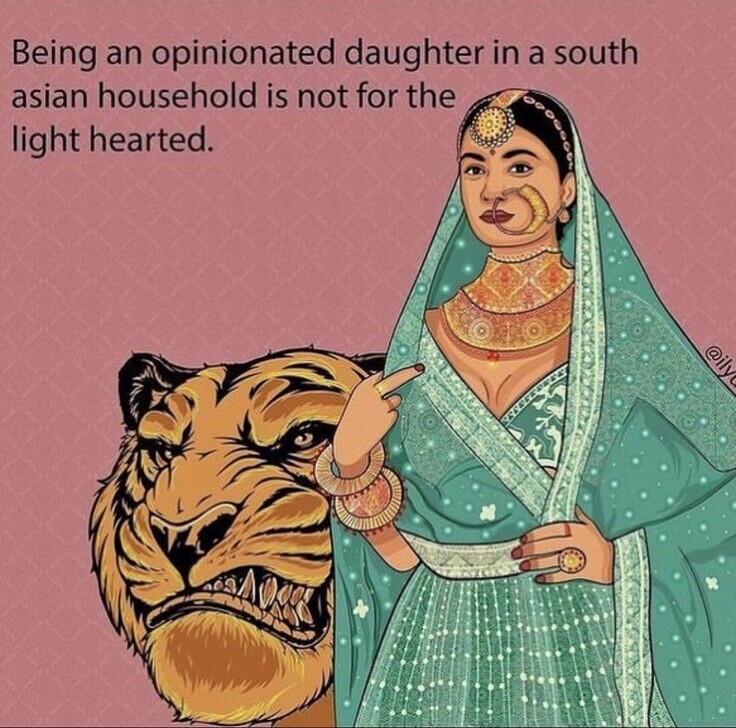
South Asian women have been changing the game in social justice movements, making waves across the globe. Their contributions have shattered misconceptions and led to profound changes in their communities.
Looking back through history, figures such as Kalpana Dutt, who played a vital role in India’s independence, and Amrita Pritam, whose writings gave a voice to the voiceless, come to mind. These women, along with many others, laid the groundwork for social justice work in South Asia.
Fast forward to today and we see women like Malala Yousafzai making extraordinary strides. Malala, a Pakistani education activist, survived a Taliban assassination attempt and continues to advocate for girls’ education worldwide. Alongside her, figures like Arundhati Roy use literature and activism to spotlight social inequities. Their combined efforts paint a powerful picture of resilience and change.
These women’s impact isn’t just confined to their countries either; it ripples out, touching lives and inspiring new generations of activists around the world. From grassroots initiatives to global platforms, their work is amplifying voices that need to be heard.
Of course, the path hasn’t been easy. Many have faced immense opposition, cultural restrictions, and even threats to their lives and families. But their determination and passion have driven them to overcome these challenges, often turning adversity into strength.
Stories like these should remind us of the sheer power of leadership and fight within South Asian women. They’ve shown us what it means to blend cultural identity with activism, all while pushing for a more just and equal world. Whether it’s through education, literature, or grassroots organizing, their contributions are an inspiring testament to courage and resilience.
Amplifying Voices: The Role of South Asian Women in Contemporary Social Justice Movements

Today’s social justice landscape is buzzing with the influential work of South Asian women. They’re not just participating in these movements; they’re leading them, steering change in meaningful, impactful ways. If you’re looking to understand contemporary activism, they’re a great place to start.
Consider movements like #MeToo in India, fueled by the bravery of women calling out systemic harassment and abuse. This movement has highlighted societal issues long swept under the rug, pushing for accountability and reform. One notable figure is Tanushree Dutta, an actress whose allegations reignited the conversation about consent and power dynamics in Bollywood.
Then there’s the incredible work being done in the realm of environmental justice by women like Vandana Shiva. As an environmental activist, she’s faced corporate giants to protect biodiversity and promote sustainable practices. Her fight isn’t just about conserving the land but also about preserving the livelihoods tied to it.
The modern advocacy toolkit isn’t just about rallies and speeches anymore. Social media has become a game-changer. Women like Gurmehar Kaur use platforms like Twitter and Instagram to spread awareness, debunk myths, and mobilize support. This kind of digital activism has connected people globally, creating solidarity that transcends borders.
These efforts are often collaborative. South Asian women frequently align with other marginalized groups to amplify their cause. An example is the coalition-building approach seen in movements advocating for LGBTQ+ rights. Intersectional activism ensures that the voices of all oppressed groups are heard and considered.
In thinking about the future, it’s clear that the influence of South Asian women in social justice will only grow. Young activists are emerging as strong voices, thanks to those who’ve paved the way. They bring innovative approaches and a fresh perspective to ongoing issues.
For aspiring activists, there’s so much to learn from these women. Whether you’re organizing your first protest or amplifying a cause online, looking at their work offers invaluable lessons. Their strategies, resilience, and adaptability provide a roadmap for effective activism in today’s world.
No Responses