
Ancient icons, symbols, and goddesses play a massive role in shaping women’s activism in South Asia. Many activists draw strength from mythological figures like Durga, Kali, and Saraswati. These goddesses represent power, wisdom, and resilience. This connection to history and mythology provides a rich foundation for their efforts.
Women were pivotal in the independence movements of South Asian nations. Figures like Sarojini Naidu and Begum Rokeya used their platforms to push for social reforms and women’s rights. They weren’t just fighting for independence, but for a new vision of society where women had equal status.
Traditional roles for women in South Asia have undergone profound changes. From educators to business leaders, women have redefined their roles across generations. While respect for cultural norms remains, modern generations are balancing tradition with the push for progress.
Colonialism deeply influenced women’s social status and access to rights in South Asia. British colonial policies often disrupted traditional ways and imposed Western values. This had a lasting impact, both positive and negative. Some traditional structures were dismantled, opening up new opportunities, yet many struggles for equality were born from these imposed changes.
Modern Movements: How Cultural Heritage Inspires Contemporary Activism
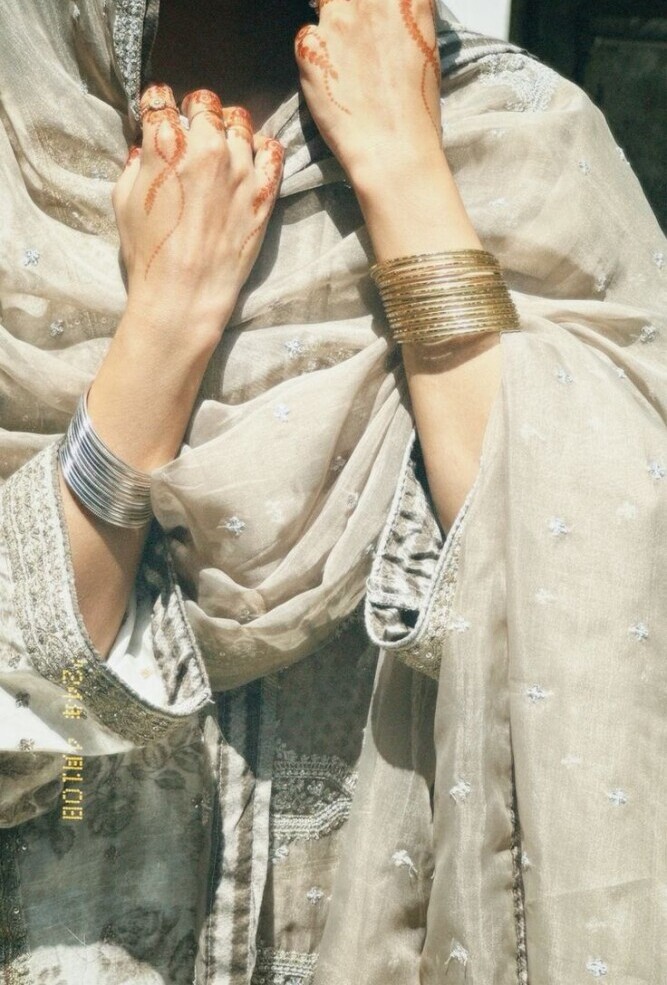
Examining prominent women activists in South Asia today, it’s evident how cultural heritage influences their work. Malala Yousafzai, for example, often references her Pashtun heritage in her advocacy for girls’ education. By grounding her activism in her cultural roots, she adds authenticity and depth to her message.
Modern activists in South Asia blend tradition with contemporary strategies in their movements. For instance, the #MeToo movement in India gained momentum by incorporating both modern social media techniques and traditional grassroots mobilization. This hybrid approach ensures broader reach and impact.
Folklore and oral histories are powerful tools in shaping activist narratives. Women activists use these stories to connect with communities, highlight historical injustices, and rally support. This method reinforces a sense of shared history and collective action.
Diaspora communities play a crucial role in amplifying activism from South Asia. These communities often leverage their resources and platforms to support causes back home. Activists like Priyanka Chopra have used their international influence to bring attention to issues affecting South Asian women, creating a global network of support.
No Responses