Empowering South Asian Girls: Changing Perspectives and Cultivating Resilience

Understanding the socio-cultural context of South Asian communities: South Asian communities are rich in traditions, values, and diverse cultures. However, these can sometimes impose restrictive norms on girls and women, limiting their freedom and opportunities. To truly empower South Asian girls, it’s essential to understand these cultural dynamics and work within them to foster change. By respecting traditions while promoting progressive values, we can create a supportive environment for girls to thrive.

The interplay of education and empowerment for South Asian girls: Education is a powerful tool for empowerment. It opens doors to opportunities and helps girls build confidence and independence. In South Asian communities, promoting education for girls can break the cycle of poverty and early marriage, leading to more empowered and self-reliant women. Encouraging families to prioritize girls’ education and providing scholarships and support can make a significant difference.

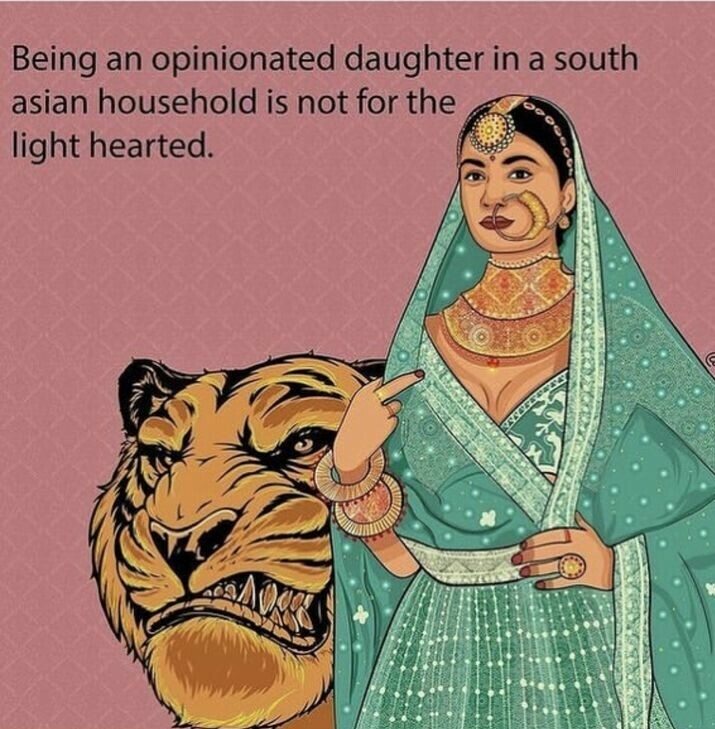
Challenges faced by South Asian girls in contemporary society: South Asian girls face numerous challenges, including gender discrimination, societal pressure, and limited access to resources. These challenges can hinder their personal and professional growth. Addressing these issues requires a multifaceted approach, including policy changes, community support, and individual resilience. By acknowledging these challenges, we can better support South Asian girls in overcoming them.


Success stories: Role models paving the way for young girls: Role models play a crucial role in inspiring young girls. Figures like Malala Yousafzai and Priyanka Chopra have shown that with determination and support, South Asian girls can achieve great heights. These success stories highlight the importance of perseverance and provide tangible examples for young girls to follow. Celebrating these role models helps instill a sense of possibility and ambition.

Community efforts and grassroots initiatives for empowerment: Grassroots initiatives and community efforts are vital in driving change from within. Programs that focus on education, health, and vocational training can empower girls at the local level. These initiatives often have a deep understanding of the community’s needs and can tailor their approaches accordingly. Supporting these grassroots efforts ensures that empowerment is sustainable and culturally sensitive.

The vital role of media representation in shaping mindsets: Media representation matters. Positive and diverse portrayals of South Asian girls and women in media can challenge stereotypes and broaden perceptions. When young girls see themselves represented in powerful roles, it reinforces their belief in their potential. Media has the power to influence societal norms and should be leveraged to promote gender equality and empowerment

Encouraging dialogue and active participation within family structures: Families play a pivotal role in a girl’s life. Encouraging open dialogue and active participation within family structures can foster a supportive environment for girls. When families discuss and challenge traditional gender roles, it can lead to more equitable practices. Empowering girls starts at home, with parents and guardians advocating for their rights and opportunities.

Policy changes and advocacy for girls’ rights and opportunities: Policy changes are crucial for creating a level playing field. Advocating for laws that protect girls’ rights, ensure access to education, and combat discrimination is essential. Policymakers need to be aware of the unique challenges South Asian girls face and create frameworks that support their growth and development. Advocacy efforts can drive these changes and ensure long-term impact.

The role of international organizations in supporting the cause: International organizations can provide support through funding, awareness campaigns, and policy advocacy. They can bring global attention to the issues faced by South Asian girls and mobilize resources to address them. Partnerships between local and international organizations can amplify efforts and create a more significant impact.
Empowerment through technology: Bridging the digital divide: Technology can be a game-changer in empowering South Asian girls. Access to the internet and digital tools can provide educational resources, skill development opportunities, and a platform for girls to voice their opinions. Bridging the digital divide by ensuring access to technology for all girls can help them stay informed, connected, and empowered in an increasingly digital world.
Empowering South Asian girls requires a comprehensive approach that involves education, community support, policy changes, and technological access. By addressing these aspects, we can create a more equitable and supportive environment where South Asian girls can truly thrive.
No Responses