Understanding the Complex Landscape of South Asian Girl Empowerment
 |”>
|”>
Sociocultural Barriers and Gender Norms
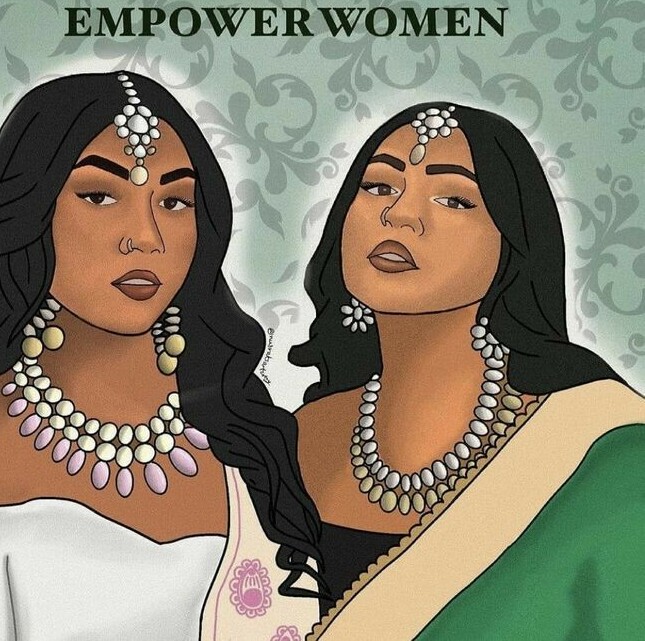
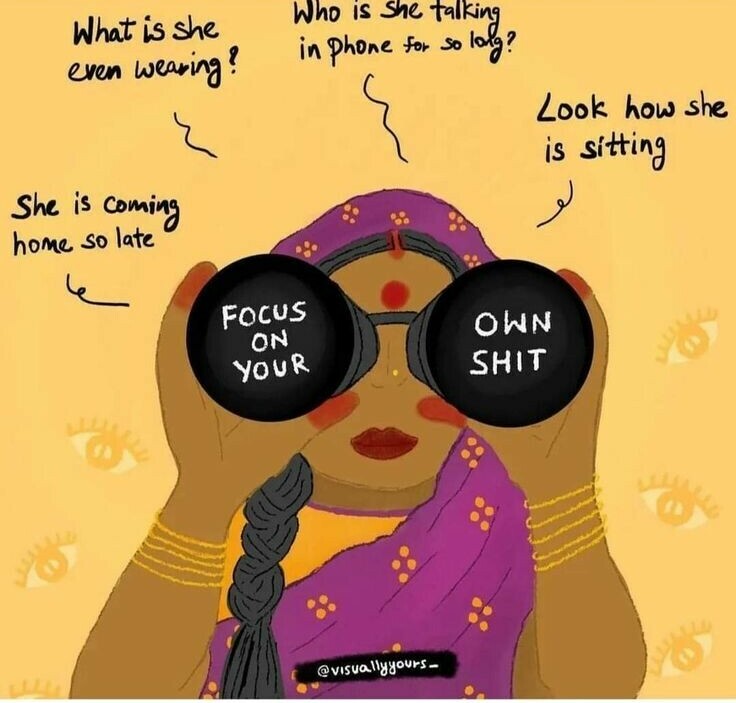
One of the biggest hurdles for girl empowerment in South Asia is deeply rooted sociocultural barriers and gender norms. In many communities, traditional beliefs about gender roles limit girls’ opportunities and freedoms. For instance, girls might be expected to prioritize household duties over education or career aspirations. These norms can stifle ambition and reinforce a cycle of dependence and subservience.
Economic Challenges and Access to Educational Resources
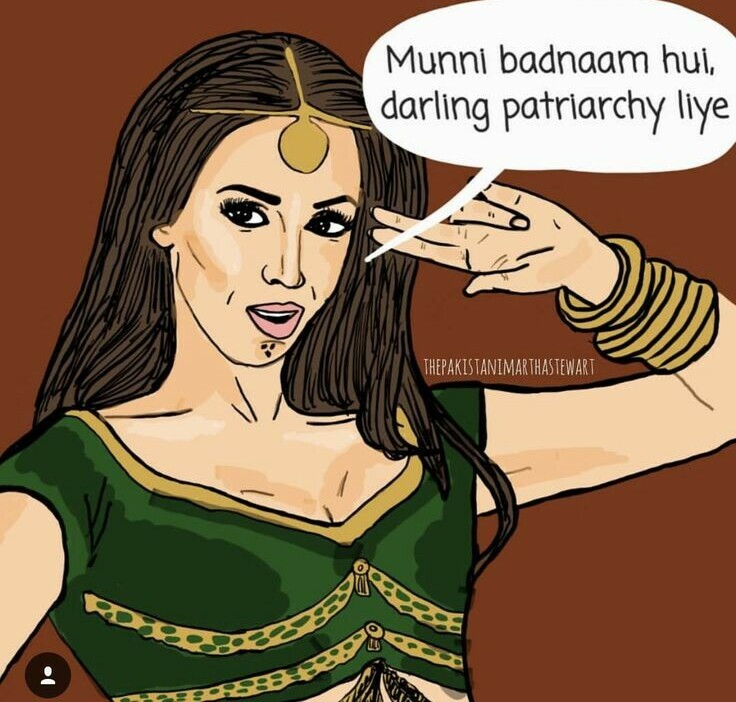
Economic barriers are another significant challenge. Many families in South Asia live below the poverty line, making it difficult to afford education for their children. Often, if a choice has to be made, families will prioritize boys’ education over girls’. This lack of access to educational resources prevents girls from acquiring the skills and knowledge needed to pursue higher education or career opportunities.
Political and Legal Hurdles
Politically, the implementation of girl empowerment initiatives faces several challenges. While there might be laws supporting gender equality and education, enforcement can be weak. Corruption and bureaucratic red tape often impede the progress of these initiatives. Moreover, political instability in some regions makes it difficult to sustain long-term empowerment program

Gap Between Urban and Rural Outreach
There’s also a significant gap between urban and rural areas when it comes to empowerment programs. Urban areas tend to have better access to resources, infrastructure, and information. In contrast, rural areas often lack basic facilities, and initiatives may not reach the girls who need them the most. This urban-rural divide exacerbates inequalities and limits the overall impact of empowerment efforts.

Safety Concerns and Incidence of Violence
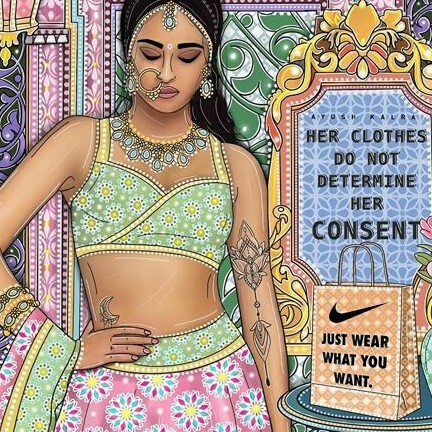
Safety concerns are a critical issue. In many parts of South Asia, girls face high risks of violence, harassment, and abuse. This can occur both within the home and in public spaces. Fear of violence can prevent girls from attending school or participating in community activities, further hindering their empowerment.
Healthcare Access
Access to healthcare is vital for empowerment, yet it remains limited for many girls in South Asia. Poor healthcare facilities and services, particularly in rural areas, affect girls’ physical and mental well-being. Issues like malnutrition, lack of reproductive health services, and inadequate maternal care can have long-term impacts on their ability to pursue education and other opportunities.

Digital Divide
The digital divide is another barrier. In an increasingly digital world, access to technology and the internet is crucial for education and empowerment. However, many girls in South Asia do not have access to digital devices or the internet, limiting their ability to benefit from online educational resources and empowerment programs.
Case Studies of Successful Initiatives
Despite these challenges, there are successful empowerment initiatives making a difference. For example, the “Educate Girls” program in India focuses on enrolling out-of-school girls in rural areas and improving their learning outcomes. Their strategies include community mobilization, partnerships with local governments, and data-driven approaches to track progress.
Importance of Community Involvement and Local Leadership
Finally, community involvement and local leadership are essential for the success of empowerment initiatives. When communities and local leaders support and advocate for girls’ rights and education, it creates a more conducive environment for change. Programs that engage parents, teachers, and local authorities tend to have better outcomes because they address the root causes of gender inequality and build a supportive network for girls.
Empowering South Asian girls requires addressing these multifaceted challenges with a holistic approach. By tackling sociocultural barriers, improving access to education and healthcare, ensuring safety, bridging the digital divide, and involving the community, we can create a more equitable and supportive environment for girls to thrive.
No Responses