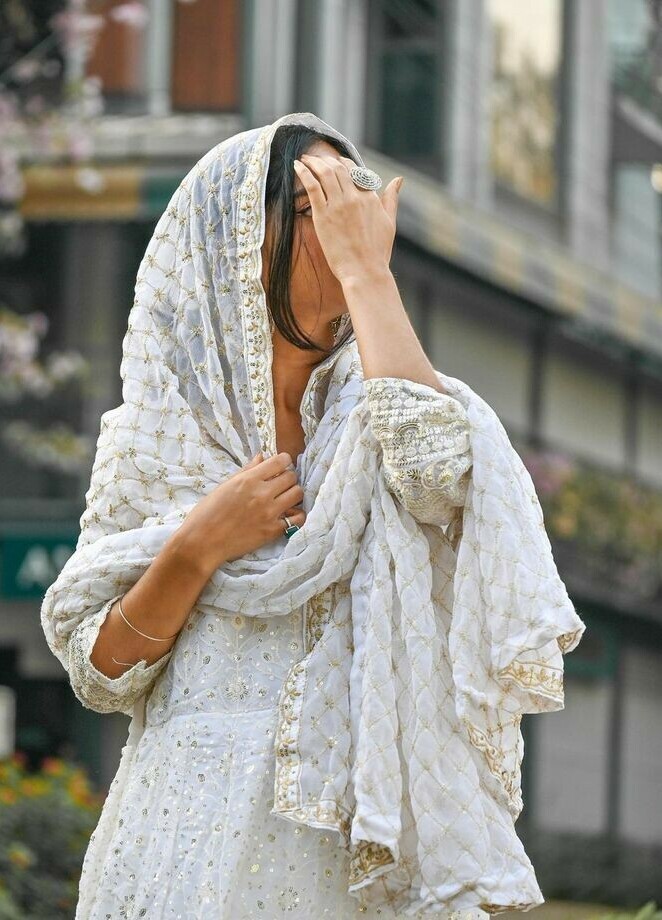
Navigating South Asian cultural norms while fostering girl empowerment is a bit like dancing to a rhythm that’s both familiar and new. There’s a deep-rooted beat that’s been playing for generations, filled with tradition, respect, and a strong sense of family. But there’s also a fresh, vibrant melody emerging—a call for change, for girls to step into their power and rewrite the rules.
Picture a young girl named Amina. She’s growing up in a tight-knit South Asian community, where the expectations are clear: respect your elders, follow the path set out for you, and honor the family’s name. These norms are like the guiding stars in her life, offering a sense of direction and belonging. But as Amina grows older, she begins to feel the pull of something more. She starts to question why certain opportunities seem out of reach simply because she’s a girl. Why are her dreams of becoming an engineer met with silence, while her brother’s aspirations are celebrated?
This internal conflict is something many South Asian girls face—a tug-of-war between the desire to honor their cultural heritage and the need to carve out their own identities. Cultural norms, after all, are like the threads of a beautifully woven tapestry. They hold communities together, providing structure and a shared sense of identity. But when these norms become restrictive, especially for girls, they can feel like a cage, limiting their potential and stifling their dreams.
The journey toward girl empowerment in the context of South Asian culture is about finding a balance. It’s not about rejecting tradition, but rather reinterpreting it in ways that allow girls to thrive. This process often starts within the family. Parents, who were once bound by the same norms, are beginning to see the importance of giving their daughters the freedom to choose their paths. They’re encouraging education, supporting career aspirations, and slowly but surely, challenging the gender roles that have been handed down for generations.
Take the story of Malala Yousafzai, who, even in the face of extreme adversity, stood up for her right to education. Her courage didn’t just challenge the oppressive norms in her region—it sparked a global movement for girl empowerment. Malala’s story is a powerful reminder that cultural norms, while deeply ingrained, are not immovable. They can evolve, and they are evolving, as more girls and women push the boundaries of what’s possible.
In many ways, South Asian girls are rewriting the cultural script. They’re blending the old with the new, honoring their heritage while embracing modern values like gender equality and individualism. This duality is reflected in the way they express themselves—through fashion, art, education, and even the careers they choose. It’s like watching a fusion dance, where traditional moves meet contemporary beats, creating something entirely unique and beautiful.
Education plays a critical role in this empowerment journey. When girls are educated, they gain the tools to question, to innovate, and to lead. They begin to see themselves not just as daughters, sisters, or wives, but as individuals with their own identities and aspirations. This shift in perspective is powerful—it’s the first step toward breaking free from the constraints of outdated norms.
Community support is another vital piece of the puzzle. Empowering South Asian girls isn’t just an individual effort; it’s a collective one. When communities come together to support girls, whether through mentorship programs, leadership opportunities, or simply by providing safe spaces to share their stories, they create an environment where empowerment can flourish.
And let’s not forget the role of role models. Seeing women who have successfully navigated the complexities of South Asian culture to become leaders, entrepreneurs, and change-makers is incredibly inspiring for young girls. These role models show that it’s possible to honor your roots while reaching for the stars, that you don’t have to choose between being a good daughter and a strong, independent woman—you can be both.
In the end, the dance between South Asian cultural norms and girl empowerment is one of balance, creativity, and resilience. It’s about taking the best of what tradition has to offer and blending it with the possibilities of the future. And as more girls join this dance, they’re not just stepping to the beat—they’re changing the rhythm, creating a new, empowered melody that will resonate for generations to come.
No Responses