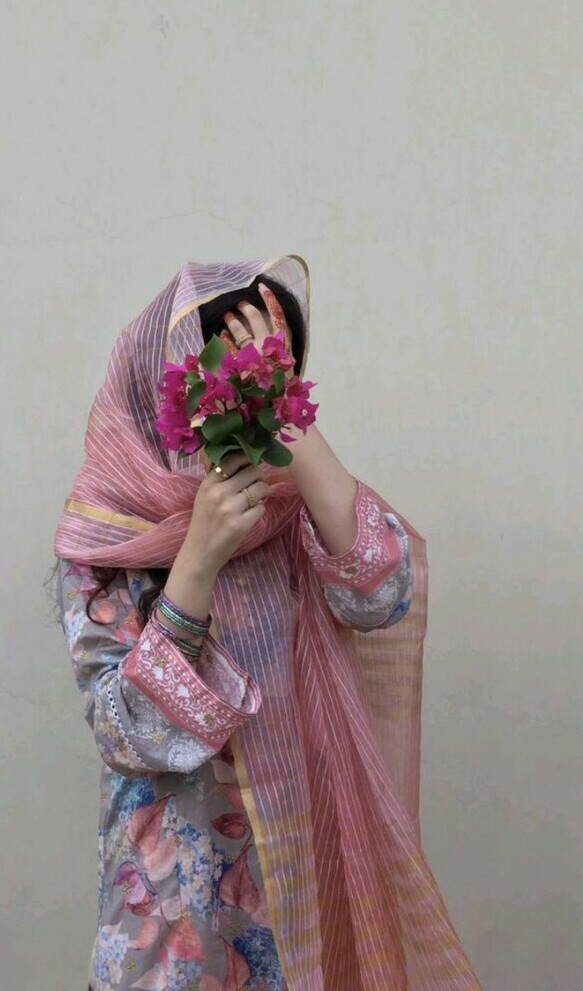
Female leadership in South Asia is a powerful force, much like the monsoon rains—unpredictable, unstoppable, and capable of transforming the landscape in ways that leave a lasting impact. For centuries, South Asian women have been the quiet architects of change, shaping their communities and families with strength, wisdom, and resilience. But today, they’re stepping out of the shadows and into the spotlight, claiming their rightful place as leaders across every sphere of life.
Imagine a woman like Rani. She’s grown up in a small village in India, where the roles of women have traditionally been confined to the home. But Rani is different—she’s always had a fire in her belly, a desire to do more, to be more. She watched her mother manage the household with grace and skill, and she realized that leadership isn’t about titles; it’s about action. Inspired by this, Rani decided to take a stand for education in her village. She rallied other women, started a small school, and slowly but surely, she transformed her community’s outlook on girls’ education.
Rani’s story isn’t unique—it’s a reflection of a broader movement happening across South Asia. Women are rising to leadership positions in politics, business, education, and social activism, challenging long-held norms and rewriting the narrative of what it means to be a leader. They’re doing this with a blend of tradition and modernity, drawing strength from their cultural roots while embracing new ideas and opportunities.
Take Bangladesh’s Prime Minister Sheikh Hasina, for example. Her leadership has been instrumental in advancing her country’s economic and social progress, especially in areas like women’s rights and education. Or consider Sri Lanka’s Sirimavo Bandaranaike, who became the world’s first female prime minister in 1960, paving the way for women in politics not just in South Asia, but globally. These women, and many like them, have shown that leadership isn’t about conforming to expectations—it’s about challenging them.
What makes female leadership in South Asia particularly unique is the way it’s interwoven with the cultural fabric of the region. South Asian women leaders often bring a deeply empathetic approach to their roles. They understand the challenges faced by those they lead because they’ve lived them. Whether it’s poverty, gender discrimination, or social inequality, these women have firsthand experience and use this understanding to drive change that’s both meaningful and sustainable.
But leadership in South Asia isn’t just about high-profile figures; it’s also about the countless women leading at the grassroots level. These are the women who may not have formal titles, but whose leadership is felt in every corner of their communities. They’re the ones advocating for better healthcare, fighting against domestic violence, or setting up small businesses to support their families. Their leadership is often quiet, but it’s incredibly impactful.
Of course, the path to leadership for women in South Asia is not without its challenges. Cultural expectations, family responsibilities, and societal barriers can make it difficult for women to rise to the top. But these challenges also make their achievements all the more remarkable. South Asian women leaders are showing that it’s possible to honor tradition while pushing boundaries, to be both nurturing and ambitious, and to lead with both strength and compassion.
As more women step into leadership roles, they’re also transforming the way leadership is perceived in South Asia. They’re challenging the notion that leadership is about power and control, and instead, they’re emphasizing collaboration, community, and care. This shift is creating a ripple effect, inspiring younger generations of girls to dream big and to see leadership as something within their reach.
In the end, female leadership in South Asia is about more than just breaking glass ceilings—it’s about building new structures altogether. These women are architects of a future where leadership is inclusive, where every voice is heard, and where the full potential of a society can be realized. And as they continue to rise, they’re not just leading—they’re creating a legacy of leadership that will inspire and empower for generations to come.
No Responses