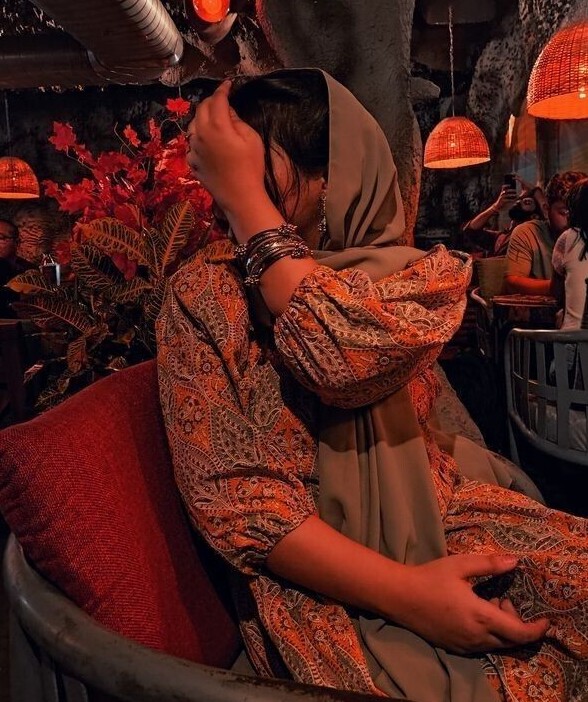
Intersectionality, at its core, is all about understanding the multiple layers of identity and how they interact to shape individual experiences. Coined by scholar Kimberlé Crenshaw in 1989, intersectionality offers a lens to see how different forms of discrimination—race, gender, class, and more—interconnect and impact people’s lives.
Historically, the idea of intersectionality sprouted from the civil rights and feminist movements, which fought intensely yet sometimes separately against different oppression forms. Crenshaw highlighted that when these issues are treated in silos, the unique struggles faced by those at the intersections, like Black women, often get ignored.
Many scholars and activists have since expanded on Crenshaw’s ideas. People like bell hooks, Patricia Hill Collins, and Audre Lorde have left a significant mark on this conversation. They emphasized examining the intersections to better understand and address systemic inequalities.
Understanding intersectionality isn’t just academic; it’s practical. It allows individuals, organizations, and even policymakers to recognize the varied and layered experiences people have. This means more holistic support systems and policies promoting true equity—not just equality. Translation: Treating everyone exactly the same doesn’t cut it when folks are starting from different places. Pay attention to those layers and you’ll get a clearer, more complete picture of the real-world struggles and achievements out there.
The Unique Experiences of South Asian Women
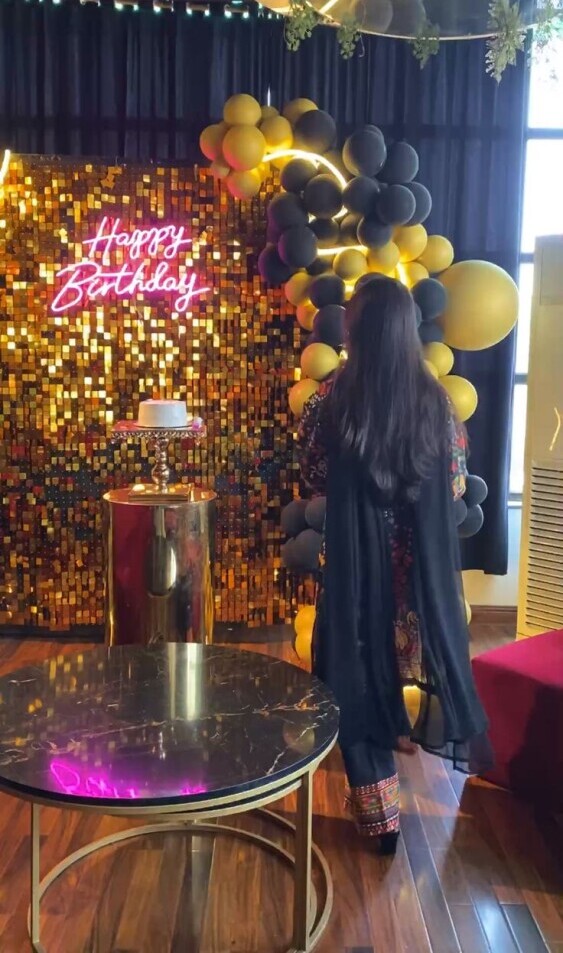
South Asian women often find themselves navigating a complex web of cultural expectations, societal norms, and systemic barriers. Their experiences are shaped not only by gender but also by ethnicity, religion, and immigrant status. The fusion of these factors creates a unique set of challenges and opportunities.
Balancing tradition and modernity can be a tightrope walk. Many South Asian women are expected to uphold cultural traditions while simultaneously excelling in modern, progressive environments. This juggling act can create immense pressure, often leading to feelings of guilt, confusion, or frustration. They may feel torn between adhering to family expectations and pursuing personal ambitions.
Systemic racism and sexism add more fuel to the fire. South Asian women often face discrimination in workplaces, educational institutions, and broader society. Being stereotyped or experiencing microaggressions can hamper career advancement and personal growth. This isn’t just about mean comments or insensitive jokes—these systemic issues can affect everything from job opportunities to mental health.
Despite these challenges, resilience is a hallmark of South Asian women. From organizing community support groups to advocating for change, they consistently find ways to empower themselves and each other. Stories of resilience abound, from women breaking barriers in STEM fields to those leading social justice movements.
Community support and advocacy play vital roles in navigating these complexities. Organizations like South Asian Women’s Network (SAWN) and South Asian Americans Leading Together (SAALT) provide crucial platforms for support, education, and activism. These groups not only offer a sense of belonging but also spearhead initiatives that drive policy changes and increase awareness around intersectionality.
So, what’s the takeaway? Understanding and appreciating the intersectional experiences of South Asian women enriches our broader fight for equality. It’s about moving beyond one-size-fits-all solutions and recognizing the multifaceted ways identities and experiences intersect. This approach not only benefits South Asian women but all individuals striving for a more inclusive and equitable world.
No Responses