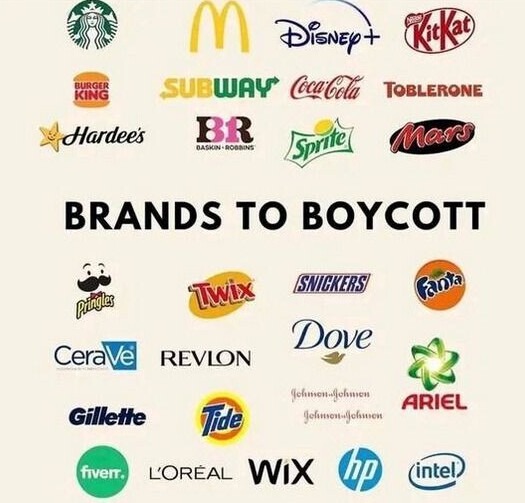
Interviewer: Today, we’re diving into a topic that resonates with many South Asian women—standing up for values that matter, especially when it comes to the brands we choose to support. We’re discussing Top Unsourceful Brands to Boycott and why South Asian women are leading the charge on this front. Joining me is Anisha, a voice for empowerment and thoughtful consumerism. Anisha, let’s start by getting to the heart of it—what do we mean by “unsourceful brands,” and why should we care?
Anisha: Great question! When I talk about unsourceful brands, I’m referring to companies that lack transparency, exploit workers, or harm the environment without taking responsibility. These brands either don’t disclose where their materials come from, pay their workers unfairly, or use harmful practices in production. As South Asian women, we often have strong cultural and family values, especially when it comes to fairness and ethics, so supporting brands that don’t align with those values just doesn’t sit right.
Interviewer: I see. So, what drives South Asian women to boycott these brands specifically? Why do you think this is such a powerful movement within our community?
Anisha: Honestly, it comes down to awareness and our collective power. South Asian women are becoming more educated and conscious about where products come from. There’s this underlying realization that the decisions we make, even when it’s about buying something small, have ripple effects globally. Also, we come from communities where many of us or our families have experienced exploitation or unfair treatment, so when we see these big brands doing the same to others, there’s an emotional connection. We don’t want to feed into a system that mirrors the inequalities many of us are fighting against.
Interviewer: That’s such an important point. Can you give us some examples of brands you think should be on the boycott list and why?
Anisha: Sure, one example is Shein. It’s a fashion brand that’s exploded in popularity, especially among younger generations. But behind the scenes, they have been criticized for poor working conditions and environmental damage. For South Asian women, fashion is a big part of self-expression, but it shouldn’t come at the cost of someone else’s livelihood. Another example is Nestlé—they’ve faced controversies over their water privatization and exploitation of resources in developing countries, which hits home for many of us. When you think about how water scarcity affects countries like India, you start questioning the ethics behind the brands we grew up trusting.
Interviewer: Wow, those are big names. How do you suggest women approach this when these brands are so dominant in the market?
Anisha: It’s definitely challenging, especially because these brands often offer convenience and affordability. But it’s not about perfection—it’s about progress. Even if you can’t completely cut out a brand, reducing how much you support them or finding more ethical alternatives is a great start. A lot of South Asian women are also finding power in community. We share information with each other, whether it’s through social media or family circles, and that collective knowledge helps guide our choices.
Interviewer: That makes sense. Do you think there’s a cultural shift happening within South Asian communities when it comes to consumerism?
Anisha: Absolutely. We’re no longer just passive consumers—we’re activists, especially the younger generation. There’s a shift toward mindful consumerism where South Asian women are using their purchasing power to make a statement. And it’s more than just boycotting; it’s about supporting local brands or businesses that align with our values, often run by women who understand our struggles and stories.
Interviewer: That’s so inspiring! Before we wrap up, what’s your message to South Asian women who might feel overwhelmed by the idea of boycotting big brands?
Anisha: I’d say, don’t underestimate the power of small steps. You don’t have to overhaul your life overnight. Start with one brand, one product category, and gradually build awareness. And remember, it’s about collective action. When we, as South Asian women, make these choices together, our impact is massive. We have the power to push for change, and brands will eventually have to listen.
Interviewer: Thank you, Anisha! This conversation has definitely opened up a lot to think about. I hope our listeners feel empowered to take control of their consumer choices.
Anisha: Thank you for having me! Every step counts, and we can all be part of this change.
No Responses