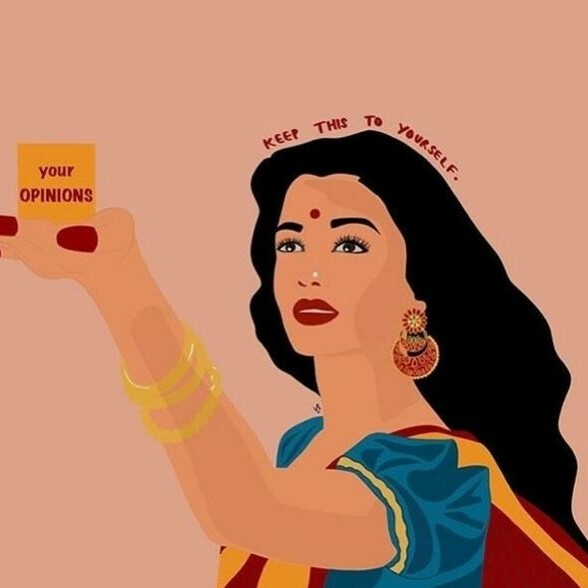
South Asian women’s rights encompass a wide range of issues, including gender equality, access to education, economic empowerment, and protection from gender-based violence. Here’s an overview of key areas and progress in the fight for women’s rights in South Asia:
1. Education
- Access to Education: While enrollment rates for girls in primary education have improved, many girls still face barriers to secondary and higher education due to cultural norms, economic factors, and safety concerns.
- Educational Initiatives: Various NGOs and government programs work to promote girls’ education, such as the ‘Beti Bachao, Beti Padhao’ campaign in India.
2. Economic Empowerment
- Employment: South Asian women often face barriers to employment, including discrimination, lack of access to job training, and societal expectations to prioritize domestic responsibilities.
- Entrepreneurship: Initiatives like microfinance programs and women’s cooperatives are helping women start and sustain their own businesses.
3. Political Participation
- Representation: Women in South Asia are underrepresented in political positions. Efforts to increase female representation include reserved seats in local government bodies in countries like India and Pakistan.
- Leadership: Prominent leaders like Sheikh Hasina in Bangladesh and the late Benazir Bhutto in Pakistan have inspired many women to pursue leadership roles.
4. Health and Reproductive Rights
- Maternal Health: Access to quality maternal healthcare is a significant issue, with high rates of maternal mortality in some regions. Programs aim to improve prenatal and postnatal care.
- Reproductive Rights: Women’s autonomy over reproductive decisions is often limited by cultural and religious norms, though advocacy for reproductive rights is growing.
5. Violence and Safety
- Gender-Based Violence: Domestic violence, sexual harassment, and honor killings remain critical issues. Legal frameworks and support systems are being strengthened, but enforcement is inconsistent.
- Support Services: Shelters, hotlines, and counseling services are being established to support victims of violence.
6. Legal Rights and Reforms
- Legal Protections: Various laws exist to protect women’s rights, but enforcement and awareness are often lacking. Reforms are needed to address issues like child marriage and dowry.
- Advocacy: Women’s rights organizations are actively advocating for legal reforms and better implementation of existing laws.
7. Cultural and Social Norms
- Breaking Stereotypes: South Asian women are increasingly challenging traditional roles and stereotypes. Media representation and public discourse are slowly evolving to support this change.
- Support Networks: Social media and community groups provide platforms for women to share experiences, support each other, and mobilize for change.
8. International Influence
- Global Support: International organizations and foreign governments often support women’s rights initiatives in South Asia through funding, partnerships, and advocacy.
- Diaspora Influence: South Asian women in the diaspora play a crucial role in advocating for gender equality and supporting initiatives in their home countries.
Prominent South Asian women like Malala Yousafzai, Deepika Padukone, and Priyanka Chopra have also been instrumental in raising awareness about these issues on a global scale. Progress is being made, but challenges remain, requiring continued advocacy, policy changes, and societal shifts to achieve true gender equality.
No Responses