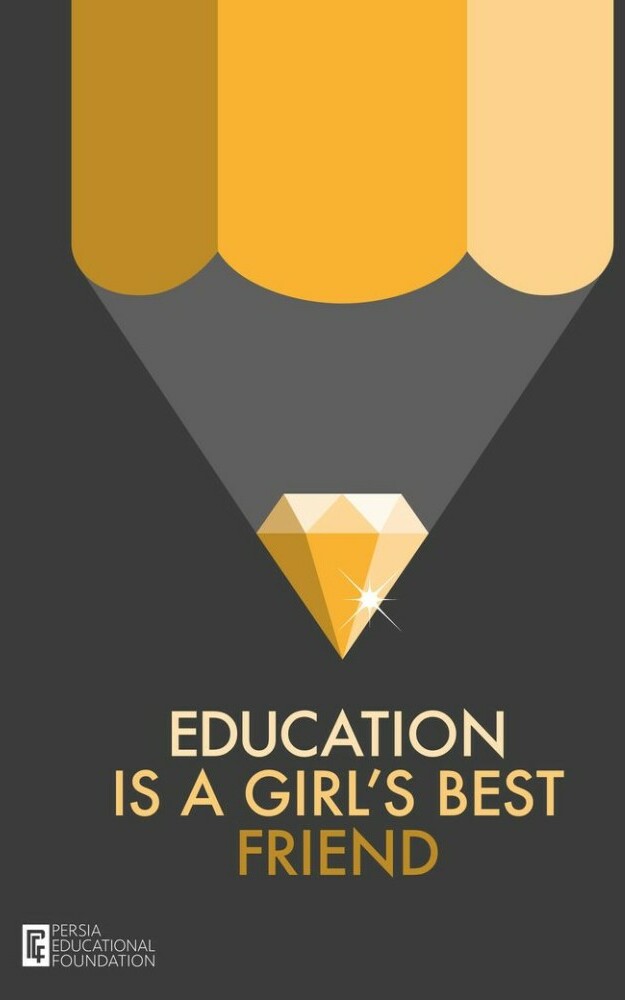
Female education in South Asia is a critical issue that impacts the region’s development and gender equality. Here are some key points:
Importance of Female Education
- Economic Growth: Educating girls leads to economic growth, as educated women are more likely to participate in the workforce, earn higher incomes, and contribute to their communities.
- Health Benefits: Educated women tend to have better health outcomes, lower child mortality rates, and improved family health due to better awareness and practices.
- Social Progress: Education empowers women to participate in societal decision-making processes, leading to more balanced and progressive communities.
Challenges
- Cultural Norms and Stereotypes: Traditional gender roles and stereotypes often prioritize male education over female education. In some regions, girls are expected to focus on household duties rather than pursuing education.
- Economic Barriers: Poverty can restrict access to education, with families unable to afford school fees, uniforms, or supplies. Sometimes, girls are kept home to contribute to household income.
- Safety Concerns: Security issues, including long and unsafe travel distances to schools and the risk of harassment, discourage parents from sending their daughters to school.
- Early Marriage: Child marriage remains prevalent in parts of South Asia, cutting short girls’ education and forcing them into early motherhood and domestic responsibilities.
Efforts and Solutions
- Government Policies: Many South Asian countries have implemented policies to promote female education, including free or subsidized schooling, scholarships, and cash incentives for families who send their daughters to school.
- Community Programs: Non-governmental organizations (NGOs) and community programs play a crucial role in raising awareness, providing resources, and creating safe learning environments for girls.
- Role Models and Mentorship: Successful women from various fields serve as role models and mentors, inspiring young girls to pursue education and careers.
- Infrastructure Improvements: Building more schools closer to communities, ensuring safe transportation, and providing adequate sanitation facilities (like separate toilets for girls) can significantly enhance access to education.
Success Stories
- Malala Yousafzai: The Pakistani activist and Nobel laureate has become a global symbol for girls’ education, advocating for every girl’s right to 12 years of free, safe, and quality education.
- India’s Beti Bachao Beti Padhao (Save the Daughter, Educate the Daughter) Campaign: This initiative aims to address the declining child sex ratio and promote the education and empowerment of girls.
Current Trends
- Increased Enrollment: There has been significant progress in increasing girls’ enrollment in primary and secondary education across South Asia.
- Digital Education: With the rise of digital technologies, online learning platforms are becoming more accessible, providing new opportunities for girls in remote areas.
Conclusion
Female education in South Asia is essential for the region’s overall development and gender equality. Despite significant challenges, various efforts by governments, NGOs, and communities are making a difference. Continued focus on overcoming barriers and promoting education for girls will pave the way for a more equitable and prosperous future in South Asia.
No Responses