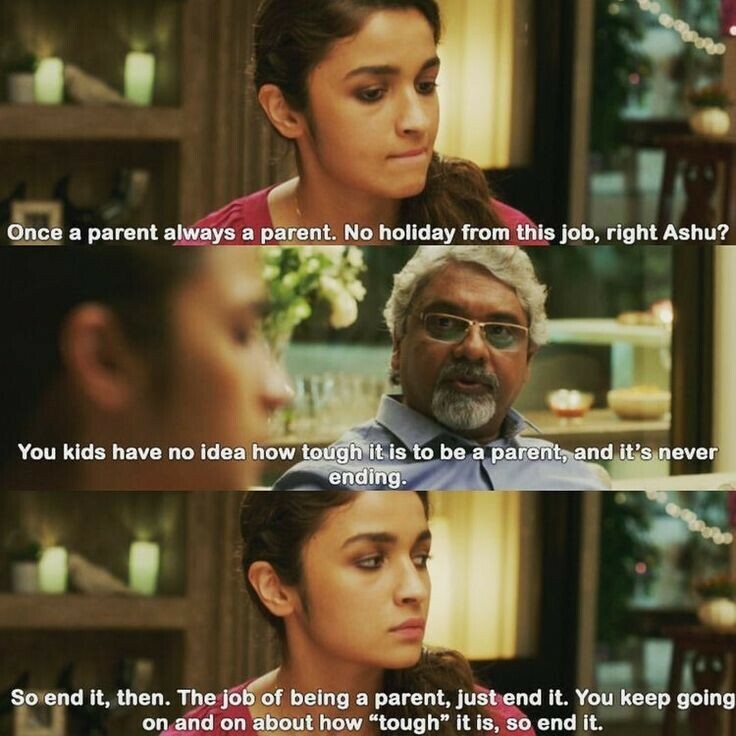
Mental health struggles among South Asian girls can be complex and influenced by various factors:
- Cultural Stigma: Mental health issues are often stigmatized in South Asian cultures. Seeking help for mental health problems can be seen as a sign of weakness or shame, leading to reluctance in seeking professional support.
- Family Expectations: South Asian families may have high expectations regarding academic and career success, leading to pressure and stress among girls. This pressure can contribute to anxiety, depression, and other mental health issues.
- Gender Roles: Traditional gender roles in South Asian communities can place additional burdens on girls, such as expectations of caregiving, managing household responsibilities, and balancing education or career goals. These pressures can impact mental well-being.
- Cultural Identity Conflict: Growing up in a multicultural society can lead to conflicts between traditional South Asian values and Western influences. This conflict can create identity issues, feelings of isolation, and a sense of not belonging, all of which can affect mental health.
- Social Expectations: South Asian communities often emphasize social status and reputation. This can lead to girls feeling pressured to meet societal expectations, maintain a certain image, or conform to cultural norms, which can be stressful and impact self-esteem.
- Access to Mental Health Services: Accessing mental health services can be challenging due to language barriers, lack of culturally competent care, financial constraints, and stigma. This can delay or prevent girls from getting the support they need.
- Intersecting Identities: Factors such as socioeconomic status, immigration experiences, generational differences, and LGBTQ+ identities can intersect with South Asian cultural norms and impact mental health experiences differently among girls.
Addressing these struggles requires culturally sensitive approaches, destigmatizing mental health discussions, promoting education and awareness within communities, improving access to mental health services, and creating safe spaces for girls to seek help and support.
No Responses