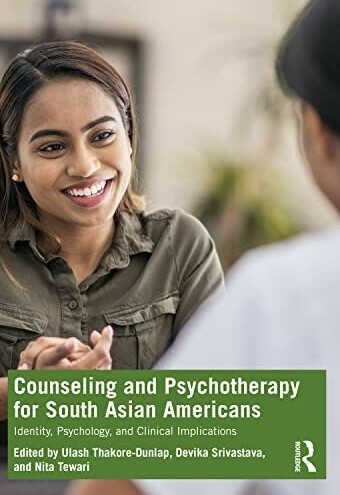
Social Issues and Advocacy: Empowering South Asian Women for a Better Tomorrow
Hey there, changemakers and advocates! Today, we’re diving into a conversation that’s close to my heart and crucial for our communities: social issues affecting South Asian women and the incredible work being done to promote advocacy and change. Let’s break down barriers, raise our voices, and create a brighter future together!
Unveiling the Issues: Shedding Light on Challenges
1. Gender Inequality and Discrimination
Despite significant progress, gender inequality remains a pressing issue. From the wage gap to limited opportunities in leadership roles, South Asian women face numerous challenges in both professional and personal spheres. Let’s not forget the societal pressures and stereotypes that often dictate their choices.
2. Domestic Violence and Abuse
Domestic violence is a critical issue that affects many South Asian women. Cultural stigma and fear of shame can often silence victims, making it difficult for them to seek help. Raising awareness and providing support systems are crucial steps in addressing this pervasive problem.
3. Mental Health Stigma
Mental health issues are often stigmatized in South Asian communities. Many women suffer in silence, unable to seek the help they need due to fear of judgment or lack of understanding. Advocacy for mental health awareness and accessible resources is vital.
Voices of Change: Stories of Advocacy
1. The Fearless Advocate: Malala Yousafzai
Malala Yousafzai’s story is one of courage and resilience. Fighting for girls’ education in Pakistan, she survived an assassination attempt by the Taliban and continues to advocate for education worldwide. Her journey inspires countless young women to pursue their dreams and fight for their rights.
2. The Community Builder: Deepa Narayan
Deepa Narayan, author and social scientist, has dedicated her life to understanding and addressing the issues faced by South Asian women. Her work emphasizes the importance of community support and grassroots movements in creating sustainable change.
3. The Mental Health Pioneer: Anjali Lama
Anjali Lama, Nepal’s first transgender model to walk in international fashion weeks, uses her platform to advocate for mental health and LGBTQ+ rights. Her story challenges traditional norms and encourages acceptance and understanding.
Taking Action: Promoting Advocacy and Change
1. Education and Empowerment
Education is a powerful tool for change. Empowering women with knowledge and skills can break the cycle of poverty and inequality. Support initiatives that provide education and vocational training for South Asian women, helping them to achieve financial independence and self-reliance.
2. Legal Reforms and Support Systems
Advocating for legal reforms that protect women’s rights is crucial. Support organizations working to change laws related to domestic violence, workplace discrimination, and gender equality. Additionally, promote the establishment of support systems such as shelters, hotlines, and counseling services for women in need.
3. Mental Health Awareness
Combatting mental health stigma requires open conversations and accessible resources. Encourage mental health education in schools and communities, and support organizations that provide mental health services. Sharing personal stories can also help normalize seeking help and break down barriers.
Joining the Movement: How You Can Help
1. Raise Your Voice
Use your platform to raise awareness about social issues. Whether it’s through social media, blogs, or community events, your voice matters. Share stories, highlight issues, and promote initiatives that support South Asian women.
2. Support Grassroots Organizations
Many grassroots organizations are doing incredible work to support South Asian women. Donate your time, money, or skills to these organizations. Volunteer, participate in fundraisers, or offer pro-bono services to help them achieve their goals.
3. Advocate for Policy Change
Get involved in advocacy efforts that push for policy changes at local, national, and international levels. Write to your representatives, participate in campaigns, and join advocacy groups that focus on women’s rights and gender equality.
4. Educate and Engage
Start conversations within your own circles. Educate your friends, family, and colleagues about the issues and the importance of advocacy. Engaging others can create a ripple effect, spreading awareness and encouraging action.
Alright, champions of change, it’s time to take these insights and turn them into action. The journey toward a just and equitable world for South Asian women is ongoing, but together, we can make a significant impact. Let’s stand up, speak out, and support one another in creating a future where every woman can thrive. Here’s to raising our voices and building a better tomorrow! 🌟💪🏽
No Responses