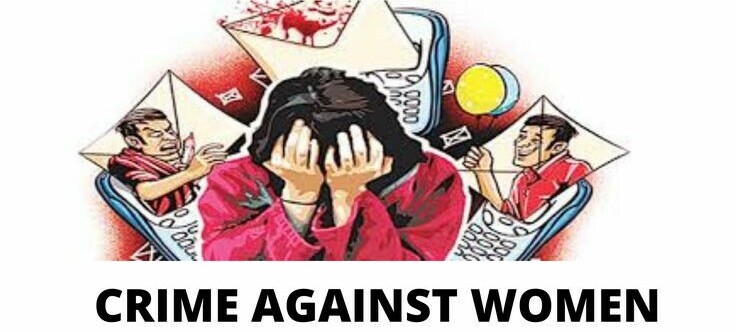
Trigger Warning: This content discusses assault, violence, and gender-based violence.
The tragic story of Dr. Moumita Debnath from Kolkata is one that breaks the heart and stirs the soul, reminding us of the vulnerability that women face daily, even when they are accomplished professionals. Dr. Debnath was not just a physician; she was a beacon of hope for her patients, a woman who had dedicated her life to caring for others. Yet, despite all her achievements and the respect she commanded in her community, her life was cruelly snatched away in a horrific act of violence.
It was a day like any other when Dr. Debnath completed her duties at the hospital. As a devoted healthcare provider, she was used to long hours and the heavy emotional toll that comes with caring for the sick and the suffering. But what awaited her on that fateful journey home was something no one could have imagined. As she made her way back, she was ambushed and brutally assaulted. The details of the attack are too gruesome to bear, but they paint a picture of a woman who fought valiantly for her life against an unimaginable horror.
Her body was found later, a lifeless testament to the violence she endured. The city of Kolkata was shaken to its core, with the news of her death sending shockwaves through the community. This wasn’t just the loss of a doctor; it was the loss of a daughter, a friend, a mentor, and a symbol of what women in South Asia strive to achieve despite the many challenges they face.
The brutality of this crime highlighted a terrifying reality: in South Asia, even the most accomplished and independent women are not immune to the threat of violence. Women’s lives and safety matter profoundly in this region, not just because they are equal human beings deserving of dignity and respect, but because their safety is a barometer of the health of the society as a whole. When women are unsafe, it reflects deeper societal issues, including entrenched patriarchy, gender inequality, and the failure of systems meant to protect them.
In South Asia, women often navigate a complex landscape of expectations, where their roles are still heavily influenced by traditional norms that can be restrictive and oppressive. Even those who break through these barriers, like Dr. Debnath, find themselves at risk, simply for being women in a world that can be hostile to their autonomy and success.
The case of Dr. Moumita Debnath is not an isolated incident. It is part of a disturbing pattern where women, regardless of their social status or profession, are targets of violence. It calls into question the effectiveness of the protections in place and the societal attitudes that enable such atrocities to occur. The loss of Dr. Debnath is not just a personal tragedy; it is a collective failure of society to protect one of its brightest lights.
Women’s safety in South Asia is a matter of urgent concern. It goes beyond the individual; it speaks to the need for systemic change. When women are safe, they can contribute fully to society, bringing their talents, creativity, and compassion to bear on the challenges we all face. When they are not, it is not just a loss for their families but for the entire community. Dr. Debnath’s death is a painful reminder that we must do more to ensure that no woman’s life is ever again stolen in such a horrific way.
In remembering Dr. Moumita Debnath, we must also renew our commitment to fighting for the rights and safety of all women. Their lives, their contributions, and their dreams matter. And until we live in a world where every woman can walk without fear, our work is far from done.
No Responses