Maximizing Your Experience at Networking Conferences as a South Asian Woman
Attending networking conferences can be both an exciting and intimidating experience, especially as a South Asian woman navigating a space where cultural expectations, biases, and underrepresentation might come into play. However, with the right strategies, these conferences can become powerful platforms for personal growth, career advancement, and breaking barriers. Here’s how you can make the most of your experience as a South Asian woman in these environments
1. Embrace Your Unique Perspective
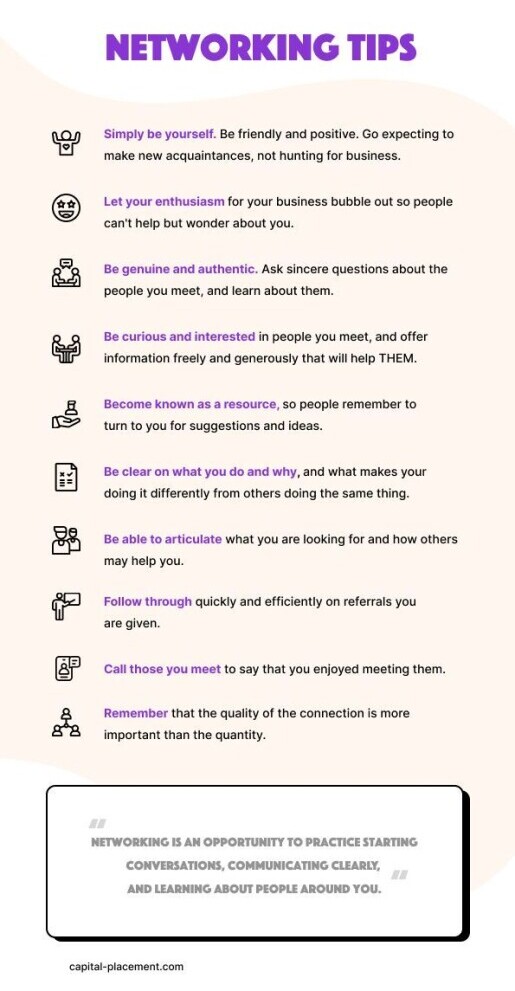
As a South Asian woman, you bring a unique set of experiences, values, and perspectives to any networking environment. Rather than seeing this as a challenge, use it as an opportunity to stand out. Your cultural background and personal journey can offer fresh insights, especially in industries where diversity of thought is increasingly valued. Don’t shy away from sharing your story—embracing who you are can be your greatest asset.
2. Prepare with Intention
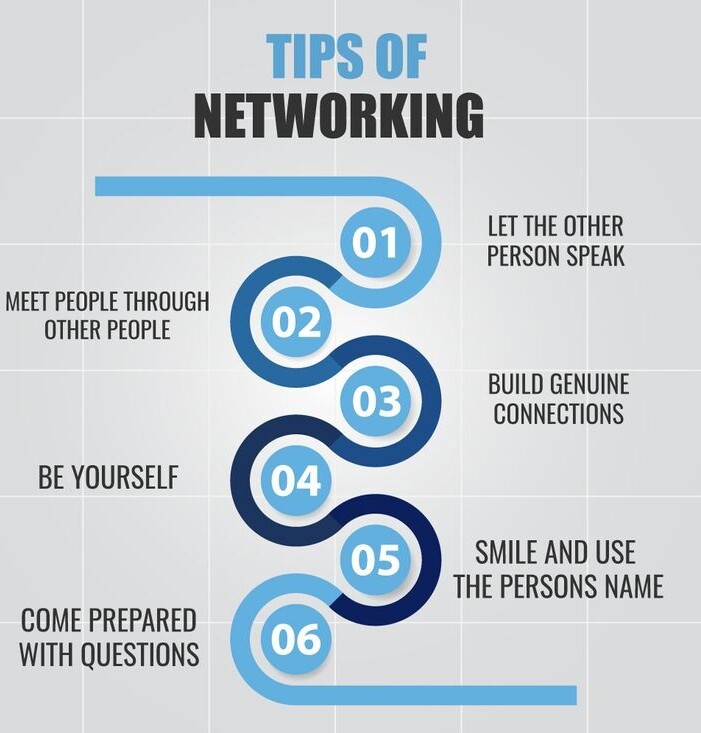
Before attending any networking conference, do your homework. Research the speakers, panelists, and key attendees. Make a list of people you’d like to connect with, and come prepared with thoughtful questions or discussion points related to your field of interest. Preparing in advance helps you feel more confident and makes interactions smoother and more meaningful.
If the conference has an app or platform to connect attendees ahead of time, use it to introduce yourself to people you’re interested in meeting. Being proactive allows you to build relationships even before the event begins.
3. Leverage Cultural Strengths in Networking
Many South Asian cultures emphasize humility, respect for elders, and deep listening—values that can serve you well in networking environments. While it’s important to be confident and assertive, don’t feel the need to abandon these qualities. Showing genuine interest in others, listening attentively, and approaching conversations with respect will help build trust and rapport with new contacts.
At the same time, avoid the trap of being overly modest. Self-advocacy is crucial at networking events. Find the balance between being humble and clearly communicating your skills, experiences, and goals. Practice your elevator pitch so that you can introduce yourself with confidence.
4. Address Implicit Bias with Grace
Unfortunately, as a South Asian woman, you may encounter implicit biases or microaggressions at networking conferences. These can range from subtle comments about your background to assumptions about your role in the workplace. It’s important to stay grounded and respond with grace and professionalism.
If you encounter bias, you can address it in a way that educates rather than confronts. For example, if someone makes a comment that undermines your expertise, you can respond by confidently reaffirming your qualifications and shifting the conversation back to your contributions. Remember, how you handle these moments can leave a lasting impression on those around you.
5. Build a Supportive Network of Allies
Seek out other women of color and allies who can offer support, guidance, and shared experiences. Attending a networking conference can be empowering when you know you have a network of people who understand your challenges and can offer encouragement. Look for women’s groups or diversity panels at the conference that focus on underrepresented voices. These spaces often provide an excellent opportunity to meet like-minded individuals and foster lasting relationships.
Even beyond conferences, maintaining a network of mentors, sponsors, and peers who understand the unique challenges of being a South Asian woman in your field can be a powerful resource for navigating your career.
6. Use Digital Tools to Expand Your Reach
If you’re attending a virtual or hybrid conference, leverage digital tools to enhance your experience. Virtual platforms often have chat rooms, discussion boards, and opportunities to connect with people from around the world. Use these to your advantage to widen your network beyond those physically present at the event.
Even at in-person conferences, many events now use apps and social media to connect attendees. Share your experiences on LinkedIn or Twitter using event hashtags, and tag speakers or new connections to keep the conversation going long after the conference ends.
7. Challenge Stereotypes Through Representation
As a South Asian woman, you have the power to challenge stereotypes by simply being present and excelling in your industry. Representation matters, and your success at a networking conference can inspire other women and minorities to pursue similar opportunities.
Take the time to mentor others when you can, and share your experiences to help pave the way for the next generation of South Asian women in your field. Your presence at the conference isn’t just about advancing your career—it’s also about creating visibility and advocating for more inclusive spaces.
8. Follow Up with Purpose
After the conference, don’t let your connections fade. Follow up with people you met by sending personalized emails or LinkedIn messages, thanking them for their time, and suggesting ways to stay in touch. Whether it’s a future collaboration, a recommendation, or simply sharing relevant resources, keeping the conversation going is key to building long-term relationships.
Make sure your follow-up is purposeful. If you discussed a specific project or idea during the conference, refer back to it in your message. This will remind the person of your conversation and show that you’re serious about nurturing the relationship.
9. Prioritize Self-Care and Well-Being
Networking conferences, especially large ones, can be overwhelming and exhausting. It’s easy to feel the pressure to attend every session, meet every person, and push yourself to the limit. But it’s essential to prioritize your well-being during these events. Take breaks when needed, engage in conversations that feel meaningful rather than forced, and don’t be afraid to step away if you need a moment to recharge.
For South Asian women, balancing the expectations of networking events with cultural values of humility and modesty can be tricky. Trust your instincts and create boundaries that allow you to navigate these spaces confidently and authentically, while also caring for your mental and emotional health.
Conclusion
As a South Asian woman, navigating networking conferences presents a unique set of challenges, but it also offers tremendous opportunities for growth, connection, and empowerment. By embracing your identity, preparing strategically, and building meaningful relationships, you can maximize your experience and use these events as platforms for both personal and professional success.
Remember, your presence in these spaces is powerful—not only for your own journey but for challenging stereotypes and advocating for more inclusive environments. Every connection you make and every opportunity you seize is a step toward greater representation and empowerment for all South Asian women in the professional world.
No Responses