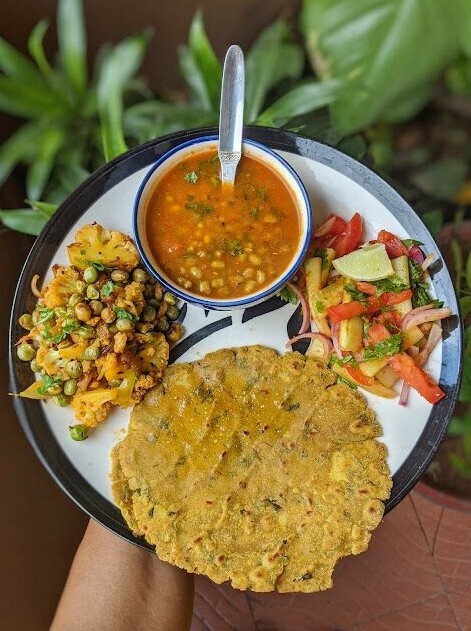
Healthy Eating Habits for South Asian Women: Embracing Tradition and Wellness
Hey there! 🌟 Ready to embark on a journey toward healthier eating habits? Let’s dive in together, blending the richness of South Asian culinary traditions with modern wellness wisdom. Whether you’re a fan of grandma’s recipes or a foodie exploring new trends, there’s something here for you.
Spice Up Your Life
South Asian cuisine is a treasure trove of spices. Turmeric, cumin, coriander, and fenugreek aren’t just flavor powerhouses – they come with health benefits too! Turmeric, for example, is a natural anti-inflammatory. Sprinkle it in your curries or even your morning smoothie for a golden, health-boosting touch.
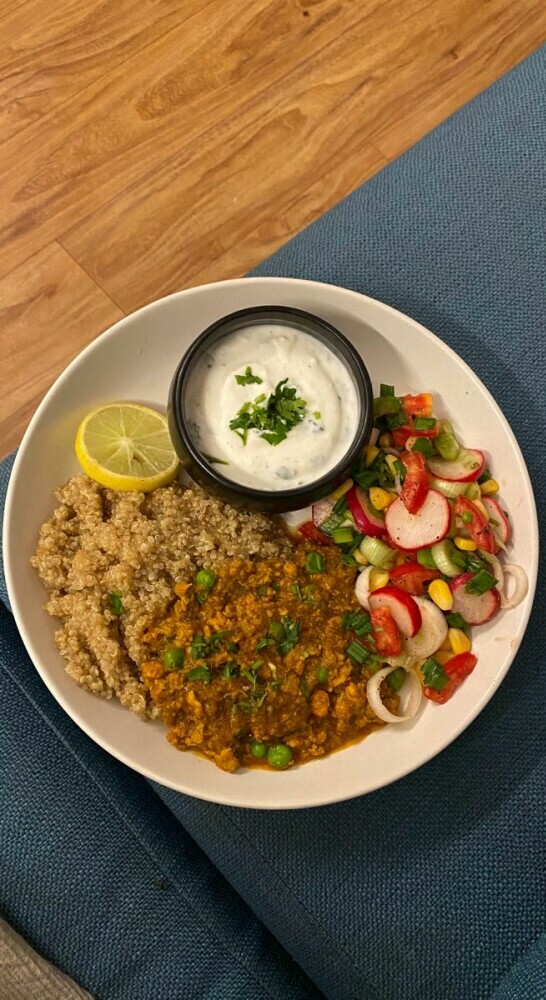
Whole Grains for Whole Health
Swap out refined grains for their whole counterparts. Think brown rice, quinoa, and whole wheat roti. They keep you fuller longer and provide more nutrients. Plus, they can help stabilize blood sugar levels – a big win for overall health.
Lentils and Legumes: Protein Powerhouses
From dal to chana masala, lentils and legumes are staples in South Asian kitchens. They’re packed with protein, fiber, and essential vitamins. Whether you’re vegetarian or not, these are excellent additions to your diet. Try a new recipe like a hearty lentil soup or a spicy chickpea salad.
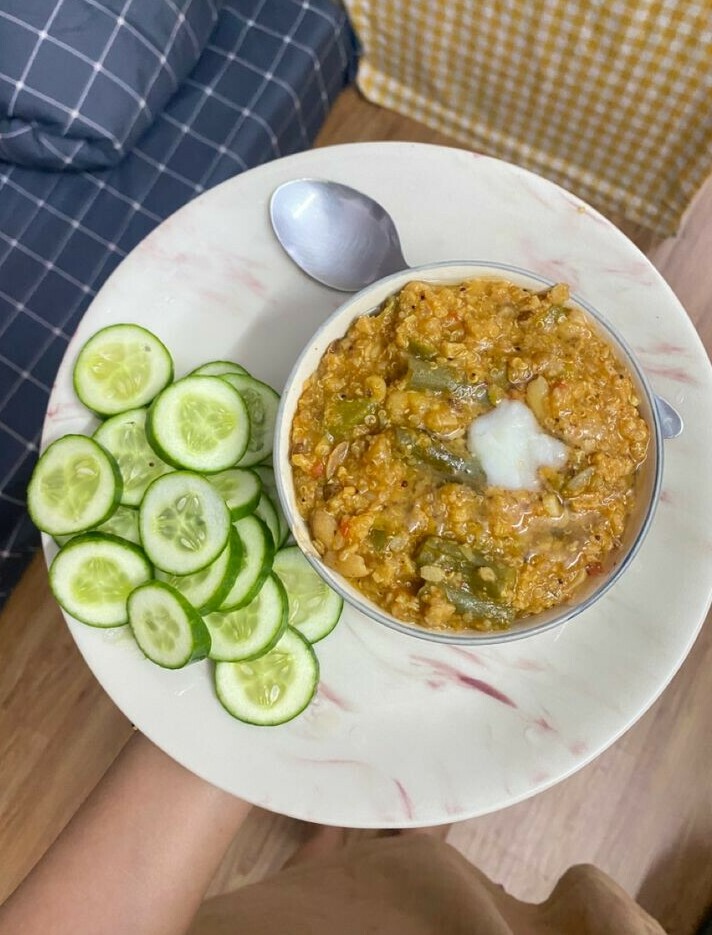
Veggies, Veggies, Veggies
Vegetables are vital in South Asian cuisine, from saag paneer to baingan bharta. Incorporate a rainbow of veggies into your meals to ensure you’re getting a variety of nutrients. Experiment with new ways to prepare them – roasted, steamed, or sautéed with your favorite spices.
Mindful Portion Control
Portion sizes matter. Enjoy your favorite dishes but be mindful of how much you’re eating. Use smaller plates and bowls to help manage portions, and try not to go for seconds unless you’re genuinely hungry.
Smart Snacking
South Asian snacks can be delicious but often fried. Opt for healthier options like roasted chickpeas, nuts, or fresh fruit. If you crave something savory, try baked samosas or air-fried pakoras. These swaps can satisfy your cravings without the extra calories.
Hydrate, Hydrate, Hydrate

Staying hydrated is key to overall health. While chai is a beloved staple, balance it with plenty of water. Herbal teas and infused water with a slice of lemon or cucumber can be refreshing alternatives.
Balance is Key
A healthy diet is about balance. Enjoy your biryanis and gulab jamuns in moderation, and balance them with lighter meals. Listen to your body – it often knows what it needs.
Family Meals and Community
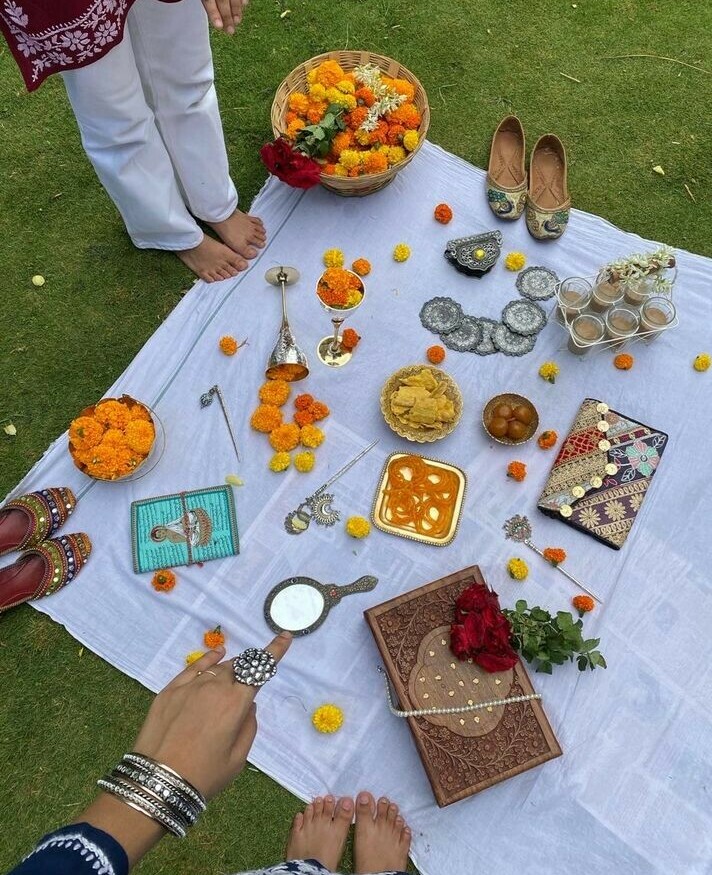
In South Asian culture, meals are often shared with family. Use this time to bond, share stories, and encourage healthy eating habits together. Cooking and eating as a family can make healthy choices feel like a natural part of life.
The Power of Herbs
Herbs like coriander, mint, and curry leaves not only add flavor but also come with their own health benefits. Incorporate these into your dishes to enhance both taste and nutrition.
Mindful Eating
Take a moment to appreciate your food. Savor each bite, enjoy the flavors, and pay attention to how your body feels. This can help prevent overeating and make your meals more satisfying.
Embrace the Fusion
Don’t be afraid to mix traditional dishes with modern twists. A quinoa biryani or a kale and spinach saag can be exciting and nutritious. Exploring new recipes can keep your diet varied and enjoyable.
Conclusion: A Journey of Wellness
Healthy eating is a journey, not a destination. Celebrate your cultural heritage while making mindful choices that nourish your body and soul. Here’s to embracing the best of both worlds – the rich, flavorful traditions of South Asian cuisine and the vibrant, health-conscious trends of today. Happy eating! 🌿🍛
No Responses