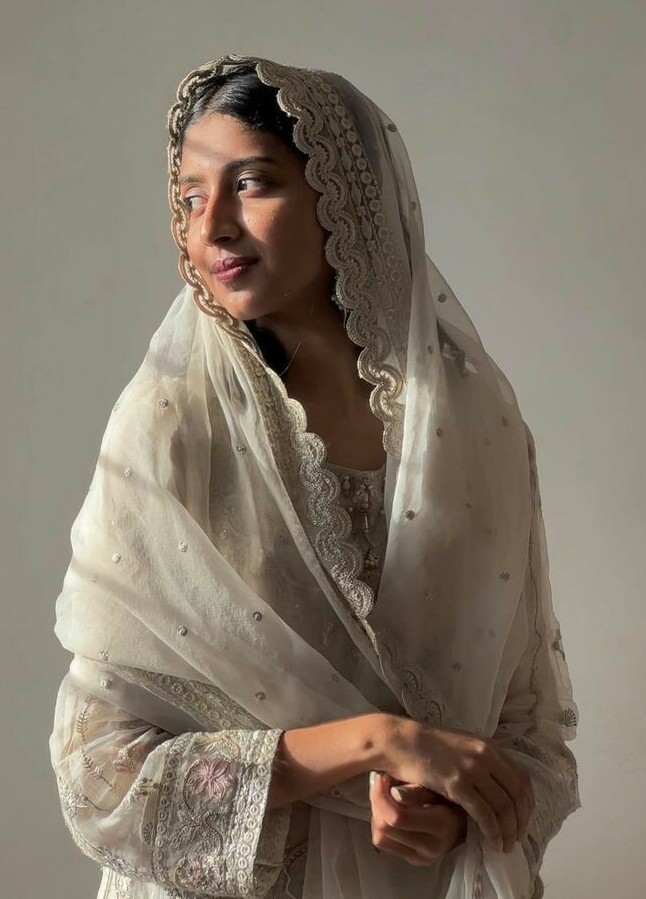
Gender bias in South Asian education is like a persistent fog that clouds the path to opportunity, especially for girls. It’s an invisible force that lingers in classrooms, homes, and communities, subtly influencing who gets to dream big and who’s told to keep their aspirations small. But just like any fog, it can be lifted—if we’re willing to confront it and shine a light on the issues.
Let’s imagine a day in the life of a girl named Anaya. She lives in a small town in South Asia, where her brother, Rohan, is getting ready for school. Rohan’s day is filled with possibilities—math, science, sports, maybe even a future in engineering or medicine. Anaya, on the other hand, has a different set of expectations. She’s encouraged to excel in subjects that are considered “appropriate” for girls, like literature or home economics. There’s an unspoken rule that her education is important, but not that important—certainly not as important as her brother’s.
This scenario, unfortunately, isn’t unique. In many parts of South Asia, gender bias in education starts early, often within the family. It’s reinforced by cultural norms that prioritize boys’ education over girls’, viewing it as an investment in the future. Boys are seen as future breadwinners, while girls are often groomed for marriage and domestic roles. This mindset limits girls’ access to education, their choice of subjects, and ultimately, their career opportunities.
Schools, where equality should thrive, can sometimes become breeding grounds for this bias. Teachers, often unconsciously, might encourage boys to participate more in class, or may expect less from girls in subjects like math and science. This can create a self-fulfilling prophecy where girls begin to doubt their abilities, believing that they’re just not “wired” for certain subjects. Over time, this bias shapes not only what they study but how they see themselves and their potential.
The impact of gender bias in education ripples out beyond the classroom. When girls are discouraged from pursuing higher education or certain career paths, they’re shut out from opportunities to contribute to fields where diverse perspectives are desperately needed. It also perpetuates a cycle of inequality, where the next generation of girls grows up with the same limited options.
But here’s where the story can change—because it is changing. Across South Asia, there’s a growing movement to challenge these biases and open up educational opportunities for girls. Families are beginning to see the value of educating their daughters, not just for the sake of equality, but because it’s good for the whole community. An educated girl is more likely to invest in her family’s future, contribute to the economy, and be a force for positive change.
Organizations and activists are also playing a crucial role in this transformation. They’re advocating for policies that support girls’ education, creating programs that encourage girls to pursue STEM subjects, and working to change the mindset that education is only a priority for boys. These efforts are slowly but surely lifting the fog, allowing girls like Anaya to see a future where their dreams are just as valid, just as important, as anyone else’s.
And let’s not forget the power of role models. When girls see women who have defied the odds, who have broken through the barriers of gender bias to become doctors, engineers, scientists, and leaders, they see what’s possible. These role models aren’t just inspiring—they’re proof that the status quo can be changed, that the fog can lift, and that the path to opportunity is open to everyone, regardless of gender.
In the end, addressing gender bias in South Asian education is about more than just providing equal opportunities—it’s about changing the narrative. It’s about teaching both girls and boys that they can be anything they want to be, that their worth isn’t determined by outdated norms or expectations. And as this new narrative takes hold, we’ll see a future where education truly empowers every child to reach their full potential, lighting the way for generations to come.
No Responses