The Colorful Tapestry of South Asian Culture
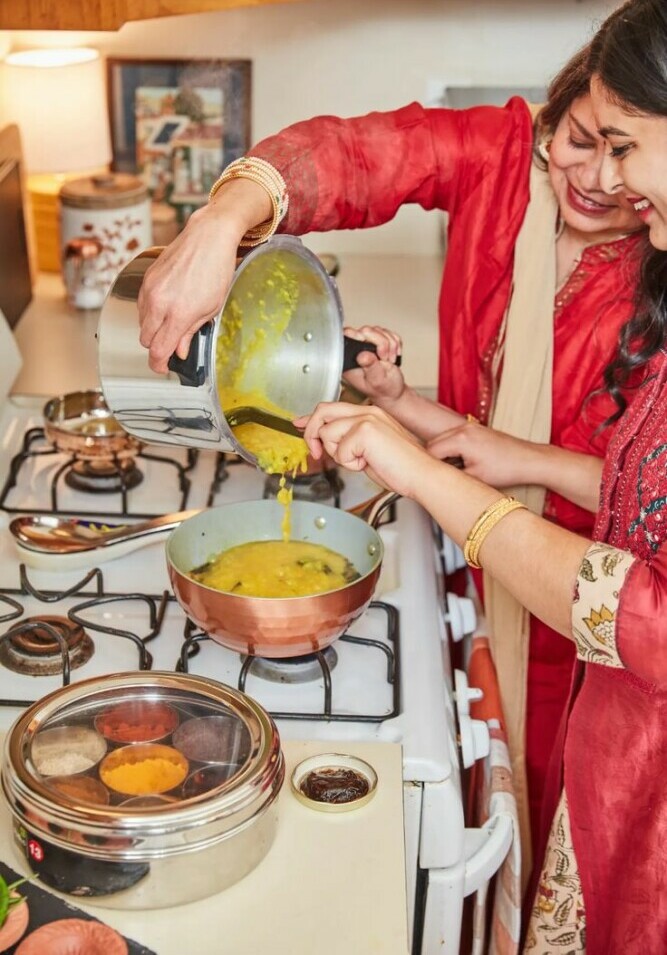
Picture South Asian culture as a colorful tapestry, woven with threads of history, tradition, language, and values. For South Asian women and girls, this tapestry is their heritage—a beautiful and complex blend that shapes their identities. Cultural sensitivity, in this context, is about understanding and respecting the nuances of this rich heritage.
Understanding the Role of Traditions
Traditions are like the anchors that keep us grounded. For South Asian women and girls, traditions encompass everything from celebrating festivals like Diwali and Eid to observing rituals and practices passed down through generations. Cultural sensitivity means appreciating these traditions without making assumptions or stereotypes. It’s about recognizing the significance behind these customs and showing respect for their continued importance in their lives.
Language: The Heartbeat of Culture
Language is the heartbeat of any culture. For many South Asian women and girls, languages like Hindi, Urdu, Bengali, Tamil, and many others are not just means of communication but carriers of cultural heritage. Being culturally sensitive means understanding the importance of these languages and encouraging their use and preservation. It’s about celebrating bilingualism and multilingualism as strengths, not barriers.
Dress and Appearance: Expressions of Identity
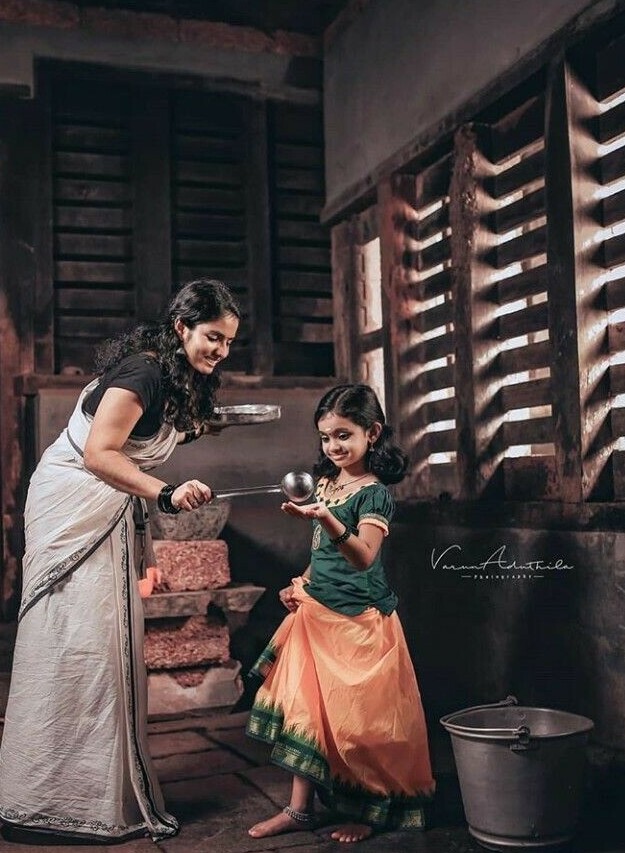
Traditional attire such as sarees, salwar kameez, and hijabs are more than just clothes; they are expressions of cultural identity. Cultural sensitivity involves recognizing the beauty and significance of these garments. It means avoiding comments that exoticize or otherize, and instead, appreciating them as proud symbols of heritage and personal expression.
Balancing Tradition and Modernity
South Asian women and girls often navigate a delicate balance between tradition and modernity. Cultural sensitivity involves supporting their choices, whether they embrace traditional roles or forge new paths. It’s about understanding that empowerment and cultural pride can coexist, and that each woman’s journey is unique and valid.
Family and Community Dynamics
Family and community are central to South Asian culture. Cultural sensitivity means understanding the strong familial ties and the sense of responsibility that South Asian women and girls often feel. It’s about respecting their commitments to family while supporting their individual aspirations. It means acknowledging the communal nature of their upbringing and the collective support system that shapes their lives.

The Power of Storytelling
Stories are the soul of South Asian culture, passed down through generations. Cultural sensitivity involves listening to these stories with an open heart and mind. It’s about valuing the lessons and wisdom they impart and understanding the contexts in which they were born. By doing so, we honor the voices and experiences of South Asian women and girls.
Breaking Stereotypes
Cultural sensitivity also means challenging stereotypes and misconceptions. South Asian women and girls are often subject to reductive labels that don’t capture their diverse experiences and identities. Being culturally sensitive means recognizing their individuality and resisting the urge to generalize. It’s about seeing them as complex, multifaceted individuals with their own dreams, struggles, and achievements.
Allyship and Advocacy
Lastly, cultural sensitivity involves being an ally and advocate. It’s about standing up against discrimination and prejudice, and actively promoting inclusivity and understanding. This means creating spaces where South Asian women and girls feel seen, heard, and valued. It’s about learning from them and amplifying their voices in conversations about diversity and inclusion.
Conclusion: Embracing Cultural Sensitivity
Cultural sensitivity is not a destination but a journey—a continuous process of learning, unlearning, and relearning. For South Asian women and girls, it means navigating their identities with pride and confidence. For everyone else, it means approaching their culture with respect, empathy, and openness. Together, we can create a world where cultural heritage is celebrated, and where every South Asian woman and girl feels empowered to be her authentic self. So, let’s keep the conversation going, one cup of chai at a time!
No Responses