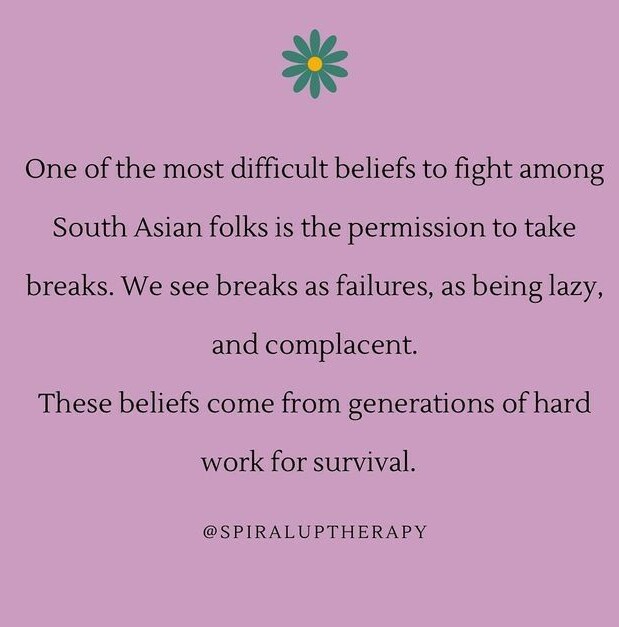
Cultural resistance to female empowerment in South Asian countries is rooted in deep-seated norms, beliefs, and societal structures. Here are some key aspects contributing to this resistance:
- Patriarchal Traditions: South Asian societies often uphold patriarchal norms where men hold primary authority and decision-making power. This can lead to restrictions on women’s autonomy, opportunities, and rights, including access to education, employment, and leadership roles.
- Gender Roles and Expectations: Traditional gender roles dictate specific roles and expectations for women, such as being caregivers, homemakers, and conforming to societal ideals of modesty and obedience. Deviating from these roles can be met with resistance and criticism.
- Cultural Norms and Values: Cultural values and norms, influenced by religion, traditions, and customs, can perpetuate gender inequalities. For example, beliefs about women’s purity, honor, and family honor can restrict their freedom and decision-making.
- Lack of Education and Awareness: Limited education and awareness about gender equality and women’s rights contribute to cultural resistance. Misconceptions and stereotypes about women’s capabilities and roles can hinder efforts toward empowerment.
- Economic Dependence: Economic dependence on male family members or spouses can restrict women’s independence and agency. Lack of financial resources and opportunities for economic empowerment can reinforce traditional gender roles.
- Legal and Institutional Barriers: Inadequate legal protections, discriminatory laws, and institutional barriers can impede women’s empowerment. Limited access to justice and enforcement of women’s rights further perpetuate cultural resistance.
- Social and Peer Pressure: Social expectations and peer pressure within communities can discourage women from pursuing education, careers, or activities perceived as unconventional or threatening to traditional gender roles.
Addressing cultural resistance to female empowerment requires multifaceted strategies, including:
- Education and Awareness: Promoting education and awareness about gender equality, women’s rights, and the benefits of empowerment.
- Legal Reforms: Advocating for legal reforms to protect women’s rights, address discriminatory practices, and promote gender equality.
- Economic Empowerment: Creating opportunities for women’s economic empowerment through entrepreneurship, employment, and financial inclusion.
- Community Engagement: Engaging communities, religious leaders, and influencers to challenge harmful norms, promote gender equality, and support women’s empowerment initiatives.
- Media and Communication: Using media and communication platforms to challenge stereotypes, promote positive role models, and highlight women’s achievements and contributions.
- Support Services: Ensuring access to support services such as healthcare, counseling, and legal assistance for women facing discrimination or violence.
By addressing these factors and fostering a supportive environment for women’s empowerment, cultural resistance can gradually be overcome, leading to greater gender equality and opportunities for women in South Asian countries.
No Responses