Understanding South Asian Girl Empowerment: Perspectives and Challenges
 Defining Girl Empowerment in the South Asian Context
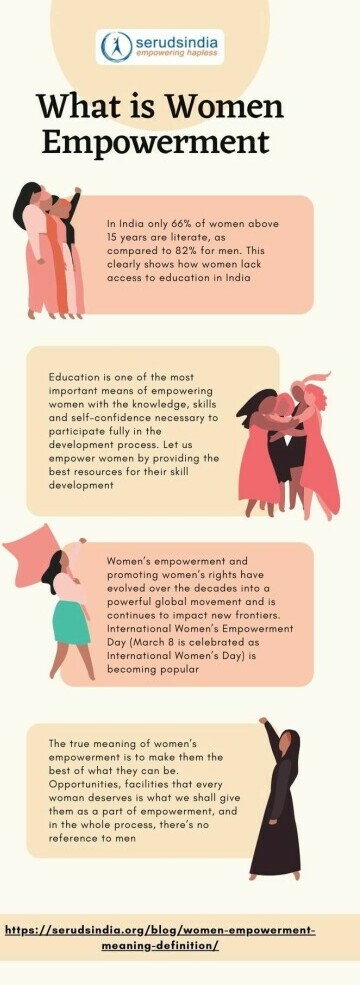
Girl empowerment in South Asia revolves around providing girls with the rights, opportunities, and resources needed to thrive and lead fulfilling lives. It involves addressing gender inequality and fostering environments where girls can achieve their full potential, whether in education, career, or personal development.
The Cultural and Societal Landscape Influencing Girl Empowerment
The cultural and societal landscape in South Asia is diverse, encompassing various traditions, religions, and socio-economic conditions. This diversity profoundly influences girl empowerment, where cultural norms and societal expectations often play a significant role in determining a girl’s opportunities and freedoms.
Challenges Faced by South Asian Girls: Educational Barriers and Societal Norms
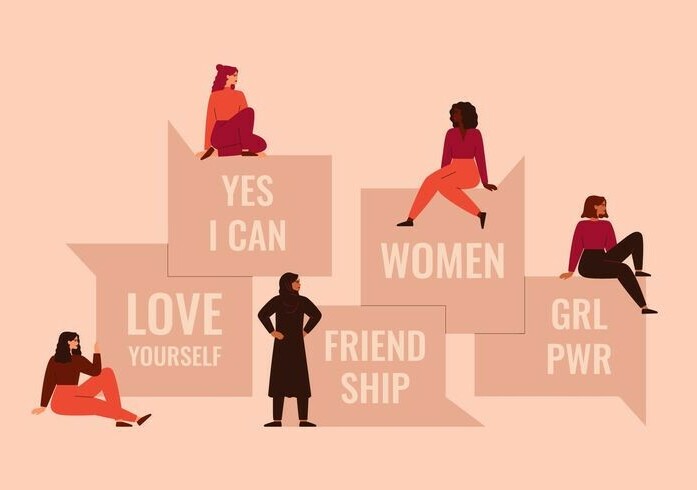
South Asian girls face numerous challenges, including educational barriers and societal norms that often prioritize boys’ education over girls’. Societal norms can impose restrictive roles on girls, limiting their access to education and career opportunities, and promoting early marriage and domestic responsibilities.
Success Stories: How Empowered South Asian Girls are Changing the Narrative
Despite these challenges, many South Asian girls are breaking barriers and changing the narrative. Empowered girls, like Malala Yousafzai from Pakistan, who advocates for girls’ education globally, and Kiran Mazumdar-Shaw from India, a leader in the biotech industry, showcase the incredible potential that can be unlocked when girls are given the chance to thrive.

Traditionalist vs. Progressive Views on South Asian Girl Empowerment
Examining Traditionalist Perspectives on Gender Roles and Education
Traditionalist perspectives often emphasize gender roles that confine girls to domestic spheres. Education for girls might be seen as secondary to preparing them for marriage and motherhood. This viewpoint can be deeply rooted in historical, cultural, and religious beliefs, making change a slow process.
Progressive Approaches to Empowering Girls: The Role of NGOs and Activism
On the other hand, progressive approaches champion gender equality and girl empowerment. NGOs and activists play a pivotal role in this, advocating for girls’ education, healthcare, and rights. Initiatives like Educate Girls in India and Malala Fund globally are instrumental in driving change and challenging traditional norms.
Balancing Tradition and Modernity: Case Studies in South Asian Communities
In some South Asian communities, there’s a conscious effort to balance tradition and modernity. For example, initiatives that integrate traditional crafts with modern education provide girls with skills that honor cultural heritage while equipping them for contemporary careers. Such programs illustrate that tradition and progress can coexist harmoniously.
Impact of Globalization on Shifting Attitudes Towards Girl Empowerment
Globalization has played a significant role in shifting attitudes towards girl empowerment in South Asia. Exposure to global norms of gender equality, through media, education, and international collaboration, has spurred many to re-evaluate and challenge existing gender biases, leading to more progressive views and policies.

The Road Ahead for Empowerment: Policy and Individual Actions
Government Policies Promoting Girl Empowerment: Successes and Shortcomings
Several South Asian governments have implemented policies to promote girl empowerment. Programs like India’s Beti Bachao, Beti Padhao aim to improve girls’ education and health. However, while policies exist, their implementation and reach often fall short, requiring ongoing advocacy and support.
The Importance of Individual Advocacy and Mentorship
Individual advocacy and mentorship are crucial for sustaining girl empowerment. Role models and mentors can inspire and guide girls, helping them navigate challenges and pursue their dreams. Personal stories and one-on-one support can make a significant impact on a girl’s life.
Integrating Girl Empowerment into Mainstream Education and Society
Integrating girl empowerment into mainstream education involves curriculum changes that promote gender equality and respect for all genders. Schools and communities need to foster environments where girls feel safe, valued, and encouraged to pursue their ambitions.
Call-to-Action: How Readers Can Contribute to Empowering South Asian Girls
Everyone can play a part in empowering South Asian girls. Support NGOs and initiatives focused on girl empowerment, advocate for policies that promote gender equality, mentor girls in your community, and challenge gender stereotypes in everyday conversations. By taking these actions, we can help create a world where every South Asian girl has the opportunity to reach her full potential
No Responses