Boycotting brands isn’t just a trend—it’s a powerful form of activism, and South Asian women are leading the charge. Whether it’s calling out unethical labor practices, unsustainable environmental impacts, or political ties to global injustices, these women have harnessed their collective power to influence consumer behavior and make brands take notice. We’ve seen real-world examples of successful boycotts, often initiated and amplified by South Asian women through social media. And the ripple effects of these actions stretch far beyond our shopping habits—many of these boycotts connect directly to global issues like the Israel-Palestine conflict.
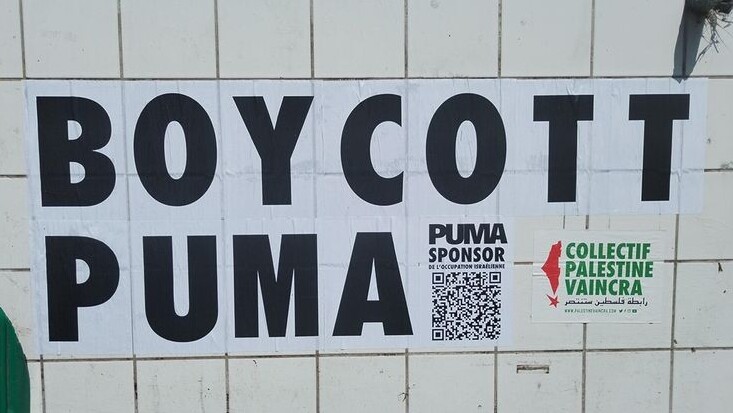
1. Boycott of Puma for Its Ties to Israel’s Occupation
One of the most well-known recent boycotts is the movement against Puma. Puma has faced criticism for sponsoring the Israel Football Association, which includes teams based in illegal Israeli settlements on occupied Palestinian land. South Asian women, especially those with large social media followings, have been instrumental in raising awareness about Puma’s involvement and encouraging consumers to stop supporting the brand.
Using platforms like Instagram and Twitter, these women called for a boycott under the hashtag #BoycottPuma. The results were significant, with a drop in brand favorability among ethical consumers. Puma was forced to acknowledge the growing movement and has since been under pressure to reconsider its partnerships.
This boycott is particularly powerful because it ties ethical consumerism to a deeply political cause. For many South Asian women, solidarity with the Palestinian struggle is personal, echoing their own historical experiences of colonialism and oppression. They are using their voices to show that where we spend our money can either uphold injustice or challenge it.
2. H&M and Its Questionable Labor Practices
H&M is a global giant, but it’s also been under fire for its labor practices, particularly its use of low-wage labor in countries like Bangladesh and India. South Asian women activists were among the first to call out the brand for exploiting workers in the region while profiting from fast fashion.
In response, they launched boycotts that spread across social media, detailing the inhumane working conditions faced by South Asian garment workers. Instagram stories, Twitter threads, and TikTok videos shared statistics and personal stories about factory workers who earned a pittance while risking their lives in unsafe conditions. South Asian women led the charge by framing this boycott as not just about better wages, but about human dignity.
The impact? H&M saw a wave of negative press and had to launch several initiatives to address its labor practices. While there is still progress to be made, the boycott demonstrated the power of collective action, forcing one of the world’s largest fashion retailers to reconsider its business model.
3. Coca-Cola and Its Water Exploitation in India
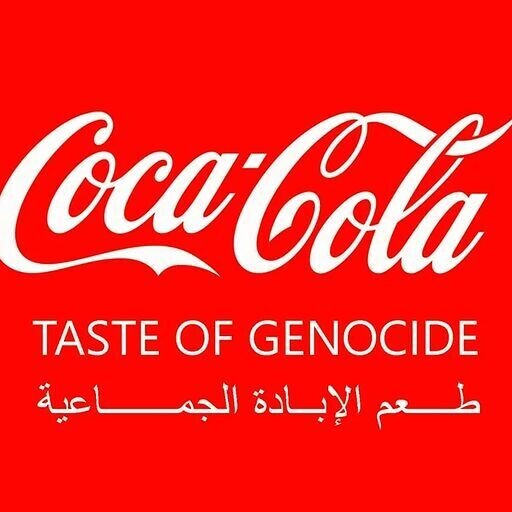
The boycott of Coca-Cola is another shining example of South Asian women standing up to corporate giants. In several Indian states, Coca-Cola plants were accused of depleting local water sources, leaving farmers without access to essential irrigation and forcing local communities into water scarcity. South Asian women led protests, both online and offline, demanding accountability from the brand.
On social media, South Asian women created viral posts that detailed the environmental and human impact of Coca-Cola’s operations. Campaigns like #CocaColaKillsWater highlighted the dire consequences of the brand’s actions. The boycott gained significant traction, and in some areas, Coca-Cola plants were shut down due to local resistance.
This case shows the intersection of environmental justice and consumer activism, with South Asian women playing a key role in mobilizing communities both online and in real life. The boycott isn’t just about refusing to buy a soda; it’s about standing up for water rights and environmental sustainability in vulnerable communities.
4. Unilever and the Fair & Lovely Controversy
The backlash against Unilever’s “Fair & Lovely” brand of skin-lightening products has been another notable boycott led by South Asian women. For decades, Fair & Lovely promoted harmful beauty standards by glorifying lighter skin tones—a message that resonated deeply with colonial beauty ideals. South Asian women, many of whom had personally experienced colorism, decided enough was enough.
Social media became a battleground, with South Asian influencers and activists taking to Twitter, Instagram, and YouTube to call out the damaging effects of skin-lightening products. Hashtags like #EndColorism and #BoycottFairAndLovely gained massive traction, forcing Unilever to take action. In response to the pressure, Unilever rebranded the product as “Glow & Lovely,” though many activists argue that this is merely a cosmetic change that doesn’t address the underlying issue of colorism.
Nonetheless, this boycott marked a significant moment in South Asian women’s activism, showing that they had the power to make one of the largest companies in the world sit up and take notice. It also pushed the conversation about colorism into mainstream media, challenging deeply ingrained cultural biases.
5. Nestlé and the Water Privatization Fight
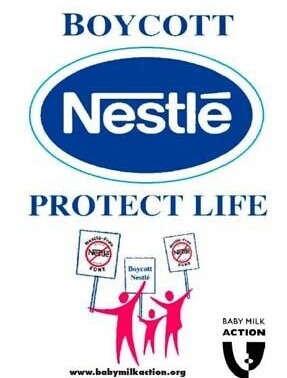
Nestlé’s history of water privatization has long been controversial, particularly in developing countries. In South Asia, where access to clean water is a critical issue, Nestlé’s practices sparked outrage. South Asian women activists were at the forefront of exposing how the company was profiting from the sale of water while contributing to the depletion of local resources.
Boycotts of Nestlé products were organized, with activists creating infographics and videos to spread awareness of the issue. South Asian women used their platforms to educate consumers on how Nestlé’s practices in regions like Pakistan and India were exacerbating water crises. The campaign gained international attention, furthering the pressure on Nestlé to reconsider its operations.
This boycott demonstrated how South Asian women are not only advocating for their communities but also linking local struggles to global issues. They’re showing how unsustainable corporate practices in South Asia connect to broader patterns of resource exploitation around the world.
6. Victoria’s Secret and the Lack of Representation

The boycott of Victoria’s Secret is a more recent example, and once again, South Asian women are leading the way. The brand, long criticized for its lack of diversity and unrealistic body standards, faced a wave of boycotts after it was revealed that its annual fashion show would not include models representing diverse backgrounds. South Asian women took to social media, calling out the brand for failing to be inclusive, especially given the growing demand for representation in the fashion and beauty industries.
South Asian influencers and activists posted under hashtags like #BoycottVS and #RepresentationMatters, demanding that brands like Victoria’s Secret do better. The campaign contributed to the eventual cancellation of the fashion show and a broader conversation within the industry about the need for authentic representation.
7. Amazon and Ties to Political Conflicts

Amazon, a global behemoth, has been boycotted for numerous reasons, from its treatment of workers to its ties to political conflicts. South Asian women have led boycotts of Amazon due to the company’s involvement in countries linked to political oppression, including its business with companies that support the Israeli occupation of Palestine.
On Twitter and Instagram, South Asian women have rallied around calls to boycott Amazon, framing it as not just an ethical decision, but a political one. The boycott hasn’t stopped Amazon in its tracks, but it has sparked a conversation about the political responsibilities of massive corporations and the importance of aligning consumer choices with personal values.
Conclusion: The Power of Collective Action
These case studies highlight a common thread—when South Asian women speak up, brands are forced to listen. From labor rights to environmental sustainability, from colorism to political conflicts, these boycotts represent a larger shift in consumer behavior. They show that South Asian women are not just passive consumers; they are active agents of change, using their collective power to challenge unsourceful brands and advocate for a more ethical, just world.
The success of these boycotts serves as a reminder that social media and grassroots activism are potent tools for holding corporations accountable. Whether it’s fighting for Palestinian rights, standing up against colorism, or demanding environmental justice, South Asian women are leading the charge—and they’re showing no signs of slowing down.
No Responses