In a world where consumer choices hold immense power, many of us are rethinking where we spend our hard-earned money. Instead of supporting giant corporations tied to unsourceful practices and even political conflicts, why not channel that power toward businesses that align with your values? South Asian women, in particular, are leading a new wave of ethical consumerism, often motivated by a strong sense of justice—especially in light of global issues like the Israel-Palestine conflict.
A Movement Rooted in Justice
South Asian women have always been at the forefront of social movements. Whether it’s fighting for independence, advocating for women’s rights, or standing up for marginalized communities, they’ve made their mark. It’s no surprise that when it comes to conscious consumerism, these women are leading the charge once again.
For many, the conflict in Palestine and Israel has been a wake-up call. Watching the humanitarian crisis unfold has encouraged them to rethink their spending habits, particularly when certain brands and corporations are complicit in unjust practices. Instead of putting money into the pockets of these unsourceful giants, South Asian women are advocating for businesses that support human rights, sustainability, and empowerment.
Here are 10 South Asian women-owned brands to support instead of those unsourceful giants:
1. Fizzy Goblet
Founder: Laksheeta Govil
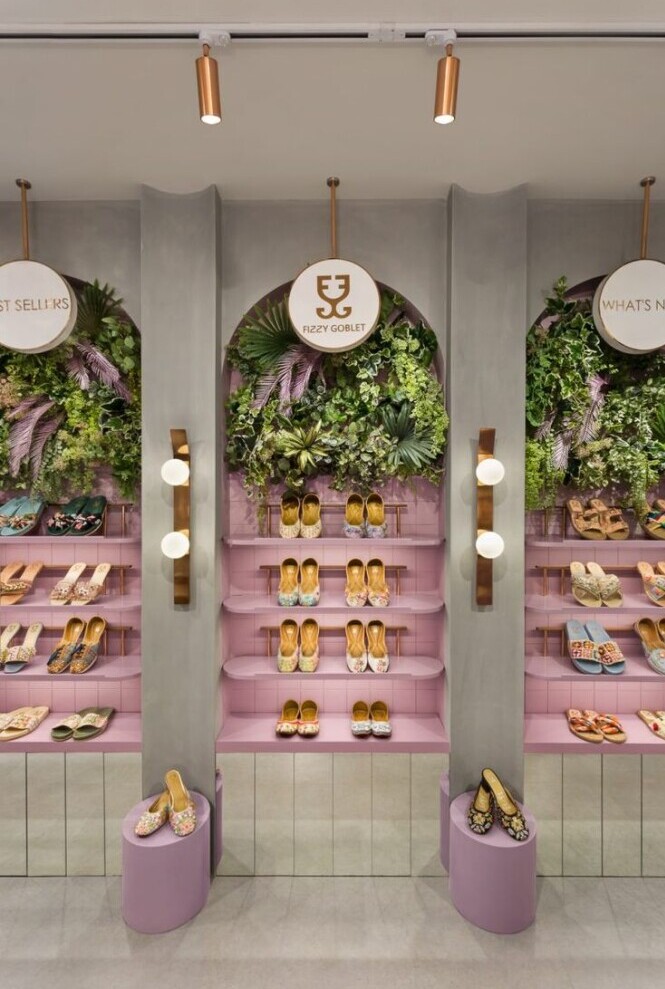
Fizzy Goblet is a popular Indian footwear brand that blends tradition with modernity, creating unique and handmade juttis. Supporting this brand means backing a company that celebrates South Asian artisanship and slow fashion. This stands in stark contrast to fast fashion giants, some of which have ties to unethical labor practices or political conflicts, including in Palestine.
2. NADI NADI
Founder: Nadia Gilani
NADI NADI is a UK-based ethical fashion brand that focuses on using sustainable materials and traditional craftsmanship to create stylish, eco-conscious garments. Nadia’s commitment to ethical production mirrors the desire for brands that prioritize the planet and people over profits—something sorely lacking in unsourceful corporations profiting from injustice, particularly those benefiting from the Israel-Palestine occupation.
3. Coco Curls
Founder: Riquette Tantoco
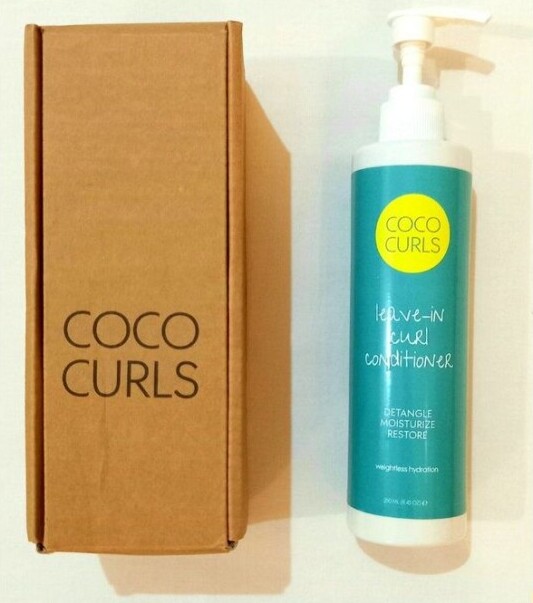
Coco Curls is a beauty brand focused on empowering women with curly hair to embrace their natural texture. Their products are vegan, cruelty-free, and made with ingredients that are gentle on both people and the environment. Supporting brands like this, rather than beauty giants with dubious sourcing practices, feels like a small but significant step toward a more ethical world.
4. Ritu Kumar
Founder: Ritu Kumar
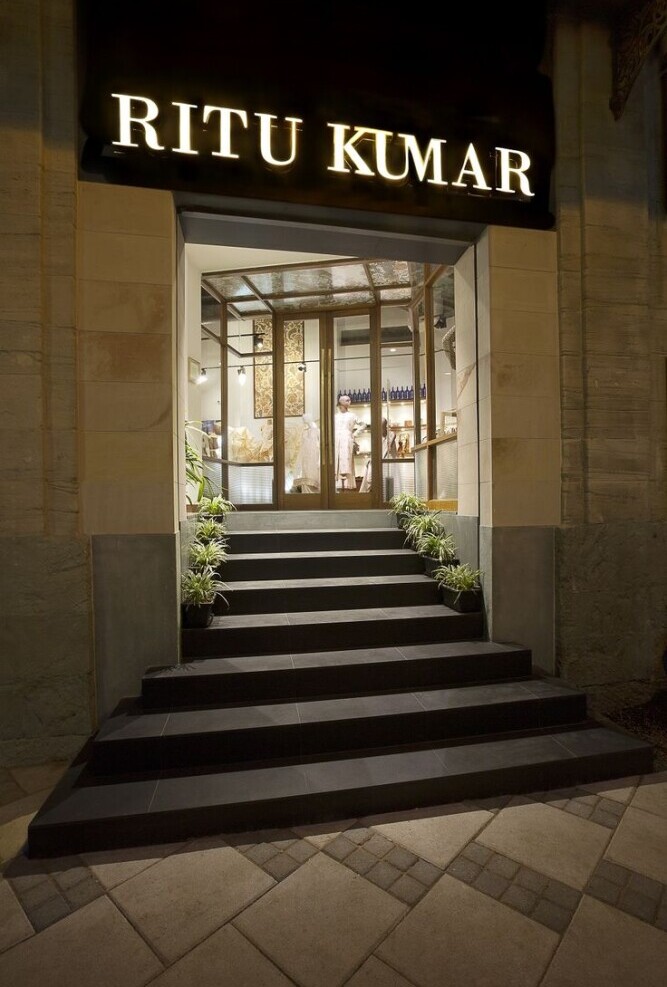
Ritu Kumar is one of India’s most respected fashion designers, known for her work that honors traditional textiles and crafts. By supporting Ritu Kumar, you’re supporting the preservation of cultural heritage and local artisanship—two values that starkly contrast with brands that rely on mass-produced goods tied to unsustainable practices or those turning a blind eye to human rights violations.
5. Amal Home
Founder: Lubna Khan
Amal Home is a US-based, South Asian woman-owned home décor brand that crafts beautiful, handmade items while prioritizing fair wages and ethical sourcing. In contrast to larger home décor companies that may rely on exploitative labor or source materials from conflict zones, Amal Home offers consumers a way to support skilled artisans and a cause that aligns with ethical consumption.
6. Sani
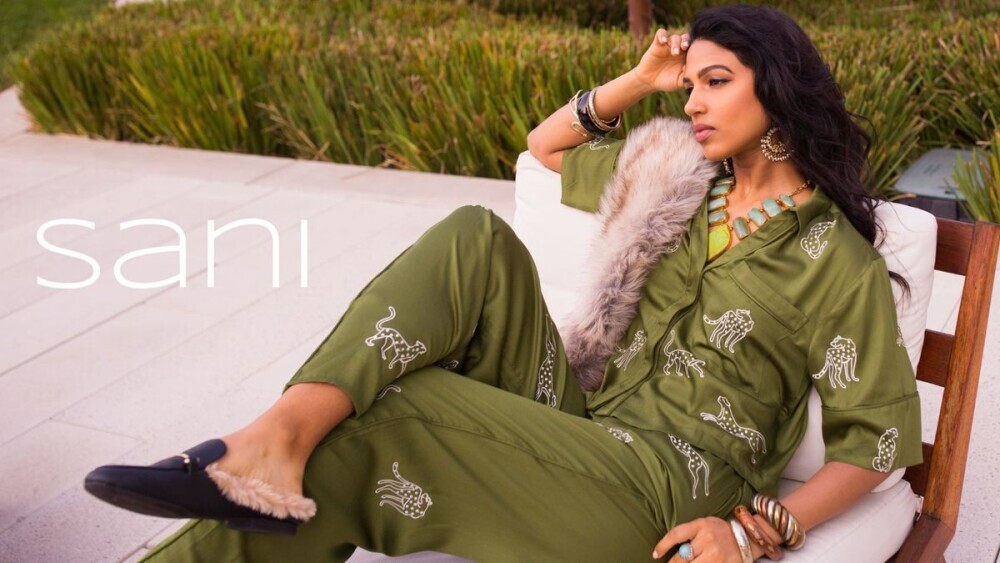
Founders: Niki and Ritika Shamdasani
Sani is a South Asian-inspired fashion brand run by two sisters that blends modern designs with traditional South Asian fabrics and aesthetics. Unlike fashion giants tied to exploitative labor practices, Sani focuses on transparency, sustainability, and empowering communities, offering an ethical alternative to consumers who want to make their purchases count.
7. Anchal Project
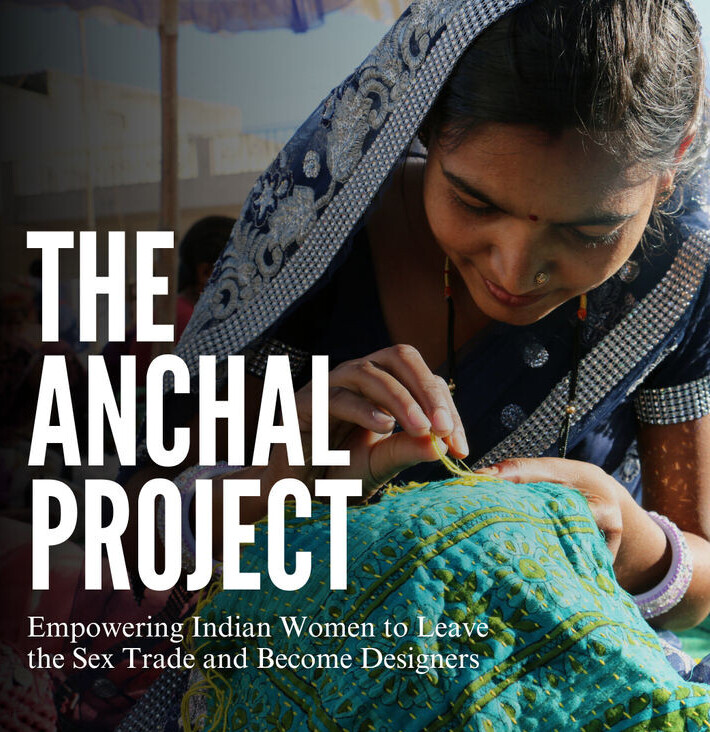
Founder: Colleen Clines
The Anchal Project is a social enterprise that empowers women in India through fair-trade jobs that produce sustainable, handcrafted textiles. This brand focuses on creating lasting social impact by offering employment opportunities to marginalized women—an inspiring contrast to unsourceful corporations whose actions often perpetuate systemic inequalities, including in regions like Palestine.
8. Razia’s Ray of Hope

Founder: Razia Jan
Razia’s Ray of Hope is a nonprofit organization that offers educational opportunities for girls in rural Afghanistan. Though it’s not a traditional consumer brand, donating to this initiative is another powerful way to make a difference. Razia Jan’s work highlights the importance of investing in communities, education, and human rights, making it a worthy cause to support instead of fueling brands connected to conflict and exploitation.
9. ABARA
Founder: Amritha Ram
ABARA is a luxury handbag brand that focuses on ethical production and environmental sustainability. By using eco-friendly materials and promoting fair wages, ABARA stands as a strong alternative to luxury giants that may rely on exploitative labor or resource extraction in conflict zones. Supporting this brand means contributing to a fashion industry built on ethics, not exploitation.
10. Kama Ayurveda
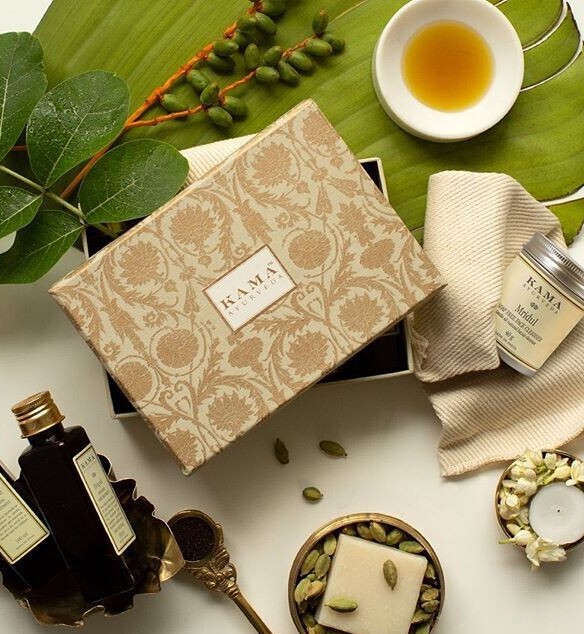
Founder: Vivek Sahni
Kama Ayurveda is an Indian skincare brand rooted in the principles of Ayurveda, offering natural, sustainably sourced products. In a time where large beauty corporations are often tied to unethical supply chains, Kama Ayurveda is a refreshing alternative that prioritizes health, wellness, and fair trade practices.
How This Ties into the Israel-Palestine Conflict
The Israel-Palestine conflict has brought attention to the global impact of where our money goes. Many major corporations are directly or indirectly involved in political struggles, human rights violations, and unsustainable practices. Brands with ties to the Israel-Palestine conflict have often been called out for benefiting from the occupation or profiting from human suffering.
For South Asian women, who come from a long history of colonialism and displacement, the struggle of the Palestinian people is a familiar one. It resonates deeply, and the desire to stand in solidarity is powerful. By choosing to boycott unsourceful brands, particularly those tied to political conflicts like Israel and Palestine, and instead supporting businesses built on transparency, sustainability, and empowerment, South Asian women are taking action that reflects their values.
A Growing Movement Toward Ethical Consumption
This shift toward supporting South Asian women-owned brands isn’t just a trend; it’s part of a larger global movement toward ethical consumption. South Asian women are channeling their purchasing power to uplift businesses that align with their values, and in the process, they’re creating a ripple effect of positive change. Whether it’s fighting for workers’ rights, environmental sustainability, or standing in solidarity with Palestine, these brands represent more than just products—they represent a vision for a better, more just world.
So, next time you’re tempted to spend on a giant brand that doesn’t align with your values, consider these 10 South Asian women-owned alternatives. Your money has power, and where you spend it can make a real difference.
No Responses