Challenging Socio-Cultural Norms: The Road Less Taken
Prevalence of Patriarchy in South Asian Cultures
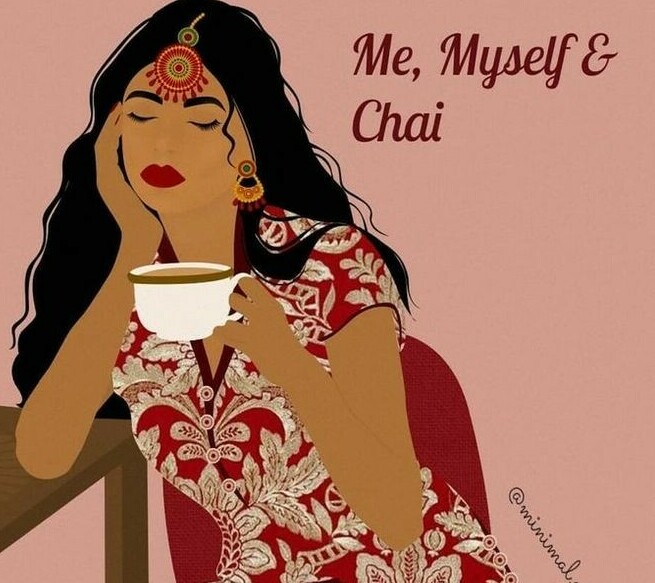
In many South Asian cultures, patriarchy has a deep-rooted presence. Traditional gender roles often dictate that women primarily focus on domestic responsibilities, limiting their opportunities to pursue education and careers. This prevalence of patriarchy reinforces a cycle where girls’ potential remains untapped and their contributions undervalued.
The Cultural Shift: Recognizing the Achievements of South Asian Girls Beyond Traditional Roles
However, there has been a significant cultural shift in recent years. More families are recognizing and celebrating the achievements of South Asian girls beyond traditional roles. This shift is slowly dismantling the old stereotypes, paving the way for girls to explore diverse fields such as science, technology, arts, and sports.

Pioneering Initiatives that Defy Gender Stereotypes
Several pioneering initiatives have emerged to defy gender stereotypes. Programs and organizations are actively working to empower girls, encouraging them to dream big and break the barriers that have historically held them back. These initiatives focus on providing education, mentorship, and opportunities that challenge the status quo.
Success Stories: Profiles of South Asian Girls Leading Change
Numerous South Asian girls are leading the charge for change. For example, Malala Yousafzai’s advocacy for girls’ education in Pakistan has garnered global attention. Similarly, young entrepreneurs and activists across the region are making significant impacts in their communities, proving that South Asian girls can excel in any domain they choose.

Integrating Technology and Education for Empowerment
Technology plays a crucial role in empowering South Asian girls. By integrating technology into education, girls can access a wealth of information and resources that were previously out of reach. This integration helps bridge educational gaps and provides new opportunities for learning and growth.
The Digital Divide: Barriers to Technological Access for Girls
Despite the potential of technology, there is a significant digital divide. Many girls, especially in rural areas, face barriers to technological access due to economic constraints, lack of infrastructure, and societal norms. This divide hampers their ability to benefit from digital advancements and perpetuates educational inequities.
Utilizing Online Platforms to Foster Learning and Social Awareness
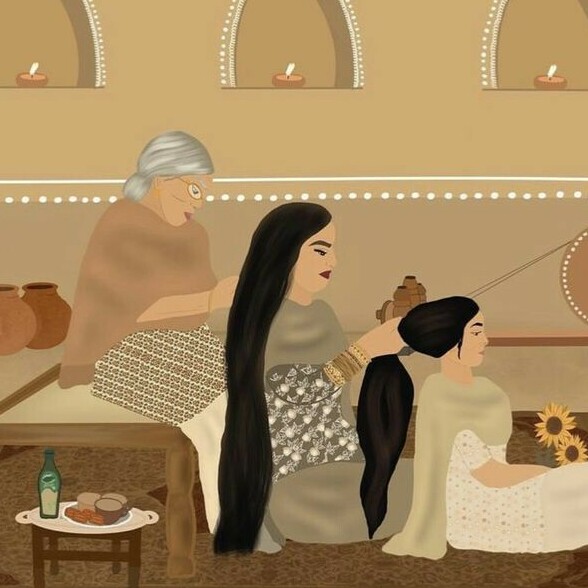
Online platforms offer a promising solution to foster learning and social awareness among South Asian girls. These platforms provide access to educational content, connect girls with mentors, and create communities where they can share experiences and support each other. Social media also plays a role in raising awareness about gender issues and inspiring action.
Impact of E-Learning on Girls’ Education in South Asia
E-learning has had a profound impact on girls’ education in South Asia. With online courses and virtual classrooms, girls can continue their education even when physical schools are inaccessible. This flexibility is especially beneficial during times of crisis, such as the COVID-19 pandemic, ensuring that education remains uninterrupted.
Case Studies: Innovative Tech-Based Programs Empowering Girls
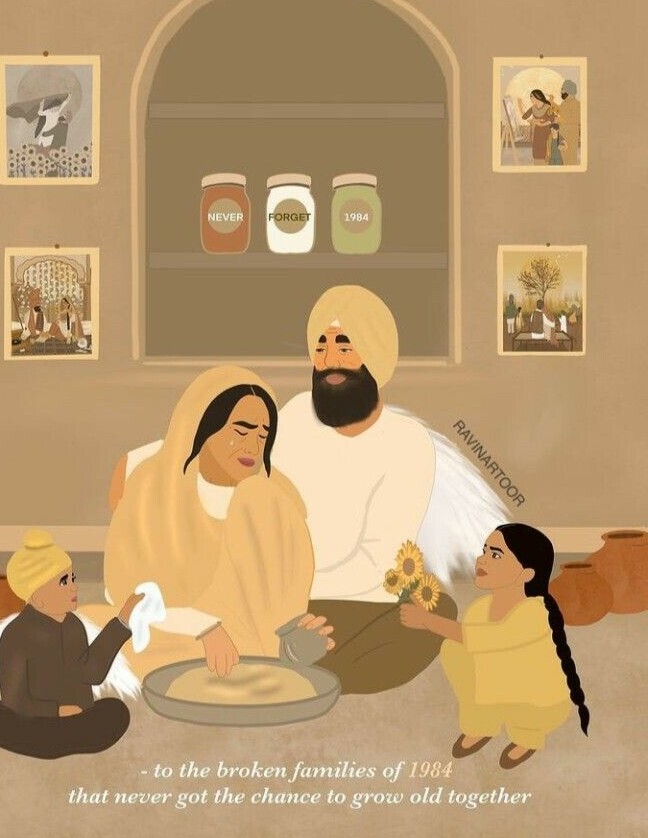
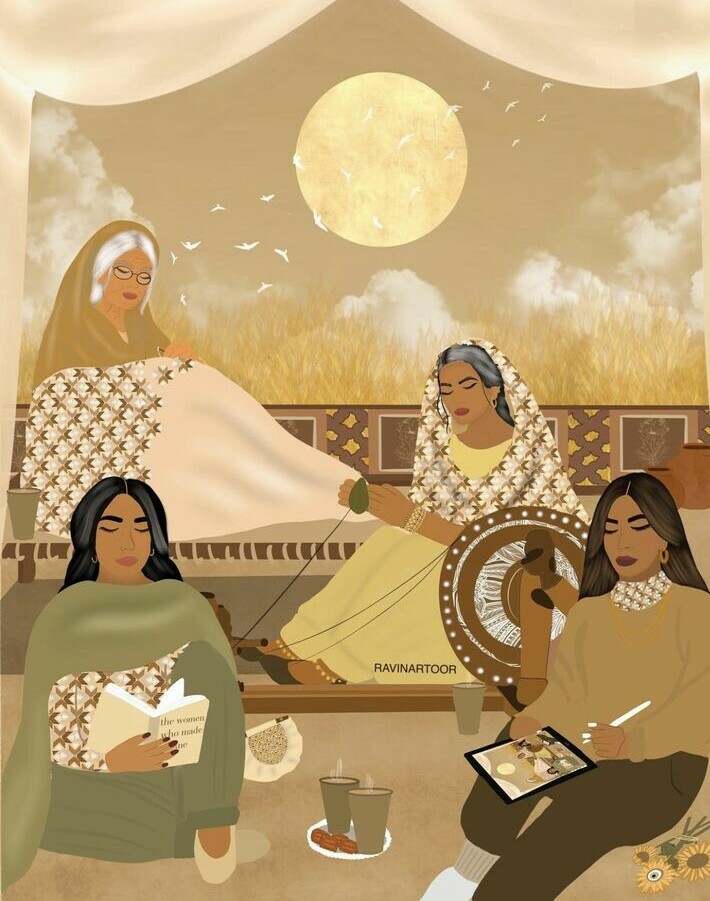
Innovative tech-based programs are making significant strides in empowering girls. For example, the “She Will Connect” initiative in India provides digital skills training to young women, enabling them to participate in the digital economy. Another example is Pakistan’s “Teach the Future,” which uses technology to provide quality education to girls in remote areas.
The Unsung Heroes: Rural Girls and Their Aspirations
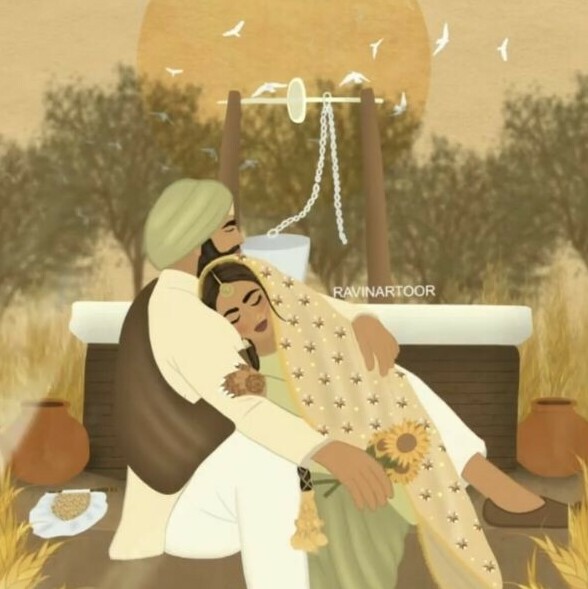
Rural girls often face the harshest challenges but also show the most resilience. These unsung heroes have aspirations just as ambitious as their urban counterparts, despite limited resources and support. Their stories of perseverance and success are truly inspiring.
Rural Versus Urban: The Differing Challenges in Girl Empowerment
The challenges of empowering girls differ greatly between rural and urban settings. In rural areas, lack of access to education, healthcare, and technology are significant barriers. Urban girls, while having better access to resources, often face societal pressures and safety concerns. Addressing these diverse challenges requires tailored approaches.
Grassroots Movements that Are Bridging the Empowerment Gap
Grassroots movements play a vital role in bridging the empowerment gap. Local organizations and community leaders work tirelessly to advocate for girls’ rights, provide education, and support families in understanding the importance of girls’ empowerment. These movements are often the catalyst for lasting change.
Highlighting Success Despite Limited Resources
Despite limited resources, many rural girls achieve remarkable success. They excel in academics, participate in community development projects, and become role models for their peers. These success stories highlight the potential that exists when girls are given even the slightest opportunity to thrive.
The Role of Local Communities in Supporting Rural Girls’ Ambitions
Local communities are crucial in supporting the ambitions of rural girls. When communities come together to prioritize girls’ education and empowerment, they create an environment where girls can pursue their dreams. Community support can include everything from financial assistance to moral encouragement, making a significant difference in the lives of these girls.
In conclusion, while the road to empowerment for South Asian girls is filled with challenges, the progress being made is undeniable. By continuing to challenge patriarchal norms, leveraging technology, and supporting grassroots movements, we can help South Asian girls achieve their full potential and lead the change in their communities and beyond.
No Responses