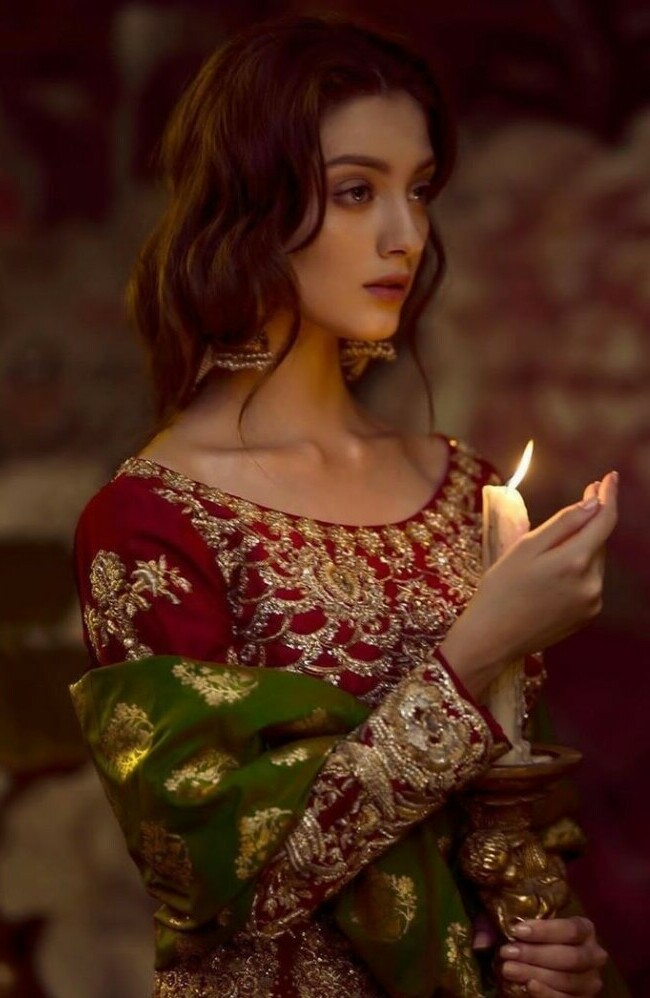
 Imagine walking through a bustling marketplace in South Asia, where each stall represents a different era in the transformation of female roles. The air is thick with the aroma of spices, the chatter of people, and the vibrant colors of fabrics, each telling a story of change and resilience.
First, let’s visit the ancient era stall, where women were often confined to the domestic sphere. They were the keepers of the hearth, the nurturers of children, and the silent supporters of their families. But even in these times, there were outliers—like the legendary Queen Sembiyan Mahadevi of the Chola dynasty, who was a powerful patron of the arts and architecture.
Moving forward, we arrive at the colonial period. Here, the marketplace buzzes with the clash of cultures and ideas. Women like Sarojini Naidu in India and Begum Rokeya in Bengal started to push the boundaries, advocating for education and social reforms. They were like the first rays of dawn, signaling a new day for women’s roles in society.
Next, we find ourselves in the mid-20th century, a time of independence movements and nation-building. Women marched alongside men, demanding not just political freedom but also equality. Figures like Indira Gandhi, who became India’s first female Prime Minister, and Benazir Bhutto, the first woman to head a democratic government in a majority Muslim nation, Pakistan, emerged as powerful symbols of what women could achieve.
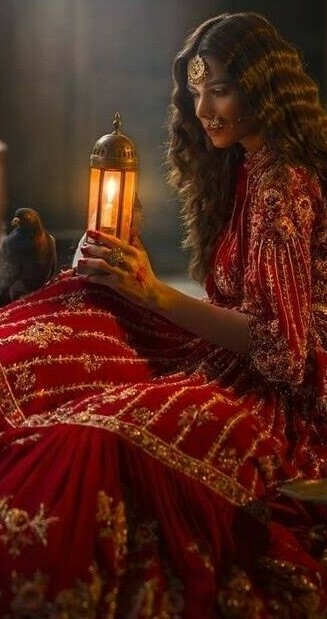
Now, we step into the late 20th century stall, where the winds of globalization and modernization are sweeping through. Women are stepping into universities, offices, and boardrooms. The traditional sari and salwar kameez are now accompanied by business suits and lab coats. This era sees the rise of influential leaders like Malala Yousafzai, who fought for girls’ education in Pakistan, and Arundhati Bhattacharya, the first woman to chair the State Bank of India.
In the contemporary section of the marketplace, the scene is a mosaic of diversity and dynamism. Women are not just participants but leaders in tech startups, social enterprises, and political movements. They are athletes breaking records, filmmakers winning international acclaim, and activists challenging patriarchal norms. The digital age has given rise to powerful voices on social media, where women like Barkha Dutt and MeToo activists amplify issues of gender equality and justice.
Throughout this journey, the transformation of female roles in South Asia is like a river carving its path through a landscape—sometimes gently, sometimes forcefully, but always moving forward. It is a testament to the unyielding spirit of women who, despite challenges and setbacks, continue to redefine their roles, not just within their families but in society at large.
Each era in this marketplace of history contributes to the rich tapestry of female roles in South Asia, showing us that change is possible, progress is inevitable, and the future holds even more promise. The journey is ongoing, and as we look around, we see countless stories waiting to be told, each one a testament to the incredible transformation of female roles in this vibrant region.
No Responses