Understanding Gender Stereotypes in South Asia
Definition of Gender Stereotypes and Their Societal Implications
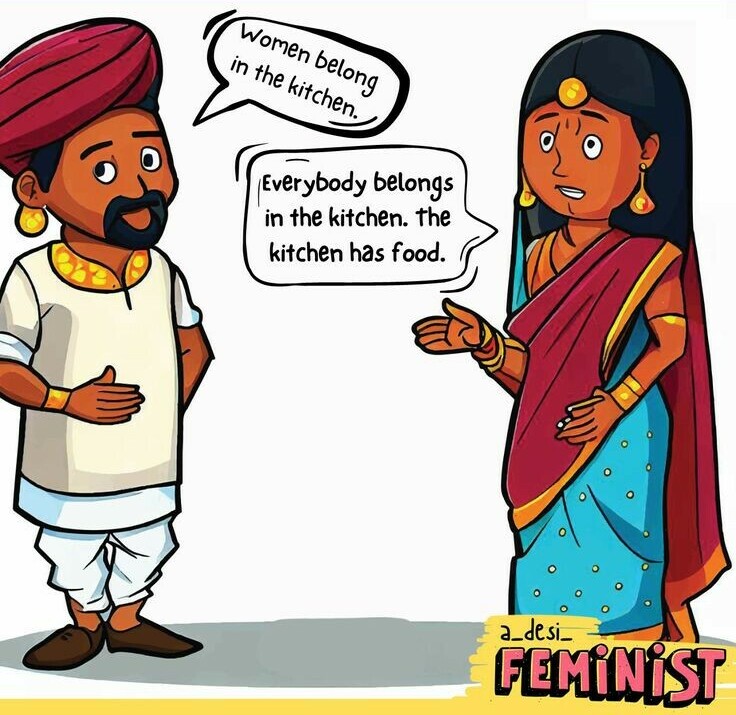
Gender stereotypes are overgeneralized beliefs about the characteristics and behaviors of an individual based on their gender. These stereotypes, often rooted in traditional societal roles and expectations, can profoundly influence perceptions, attitudes, and actions towards individuals. They can shape individuals’ lives, limit their opportunities, potentials, and can often create disparity among genders. The societal implications of these stereotypes are vast and far-reaching, affecting various aspects of life, including education, employment, personal relationships, and even mental health.
Historical Context of Gender Roles in South Asia
In South Asia, the historical context of gender roles has been shaped primarily by social, economic, and cultural factors, including religion, tradition, and colonial influences. Traditionally, men have been seen as the breadwinners, responsible for providing for the family, while women have been perceived as the caretakers of the home, tasked with nurturing the family and managing household chores. This division of roles, deeply rooted in societal norms and expectations, has perpetuated gender stereotypes, often confining individuals to specific roles and responsibilities based on their gender.
Prevalent Gender Stereotypes within South Asian Communities
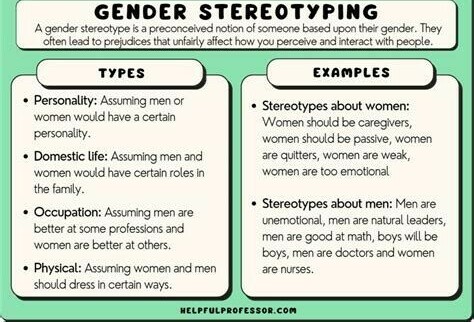
Within South Asian communities, gender stereotypes often manifest in the form of rigid expectations and norms. Women are often expected to be nurturing, submissive, and domestic, while men are expected to be strong, assertive, and financially successful. These stereotypes not only limit individual potential but also create a societal structure that reinforces gender disparity. For instance, women’s roles are often undervalued, and their contributions to society outside of traditional roles are frequently overlooked, reinforcing the notion of male superiority.
The Effects of Patriarchy and Cultural Traditions on Gender Expectations
Patriarchy and cultural traditions play a significant role in perpetuating gender stereotypes in South Asia. The patriarchal system, which values male dominance and female subordination, reinforces these stereotypes and shapes gender expectations. Cultural traditions, often passed down through generations, further cement these beliefs, creating a societal structure where gender inequality is normalized and accepted. This system of beliefs and practices can have detrimental effects on individuals and society, limiting potential and creating gender-based disparities.
Challenges and Impact
Barriers to Gender Equality in Education and Employment
Gender stereotypes contribute significantly to barriers in education and employment. They can limit women’s access to education and career opportunities, often creating a belief that certain professions or fields of study are suitable only for men. These stereotypes can also perpetuate wage inequality, with women often earning less than men for performing the same job roles.
The Impact of Stereotypes on Individual Identity and Mental Health
Gender stereotypes can have a profound impact on an individual’s identity and mental health. They can cause stress, anxiety, and low self-esteem, as individuals struggle to conform to societal expectations. These stereotypes can also limit an individual’s ability to express their true self, often leading to identity crises and feelings of inadequacy.

Gender-Based Violence Fueled by Stereotypes
Gender stereotypes can also fuel gender-based violence, including domestic violence, sexual harassment, and honor crimes. These stereotypes can create a culture of violence and discrimination, where such acts are often justified or overlooked. This not only poses a significant threat to the safety and well-being of individuals but also creates a societal structure that perpetuates gender-based disparities and inequalities.
Examples of Successful Initiatives Challenging Gender Norms
There are numerous examples of initiatives that have successfully challenged gender norms in South Asia. These initiatives, ranging from education programs to women’s empowerment projects, and advocacy campaigns, have sought to dismantle stereotypes and promote gender equality. They have empowered individuals, especially women, to break free from traditional roles, pursue their goals, and contribute meaningfully to society.

Examples of Successful Initiatives Challenging Gender Norms
There are numerous examples of initiatives that have successfully challenged gender norms in South Asia. These initiatives, ranging from education programs to women’s empowerment projects, and advocacy campaigns, have sought to dismantle stereotypes and promote gender equality. They have empowered individuals, especially women, to break free from traditional roles, pursue their goals, and contribute meaningfully to society.
Strategies for Change and Empowerment
Education and Awareness Campaigns to Dismantle Misconceptions
Education and awareness campaigns are pivotal in dismantling misconceptions and challenging gender stereotypes. They can raise awareness about the harmful effects of stereotypes, challenge traditional beliefs, and promote gender equality. These campaigns can educate individuals about the importance of equal opportunities and rights, encouraging them to question and challenge existing norms and stereotypes.

Policy Changes and Legal Frameworks Supporting Gender Equality
Policy changes and legal frameworks can play a significant role in promoting gender equality. These changes can ensure equal rights and opportunities for all individuals, regardless of their gender. By creating a legal framework that supports gender equality, societies can create a more equitable and inclusive environment.
Empowerment Through Economic Inclusion and Entrepreneurship
Economic inclusion and entrepreneurship can significantly empower individuals, particularly women, by providing them with financial independence and opportunities to contribute to their communities. By breaking free from traditional roles and pursuing economic opportunities, women can challenge stereotypes, contribute to societal progress, and help create a more balanced and equitable society.
Role of Media and Influencers in Reshaping Public Perceptions
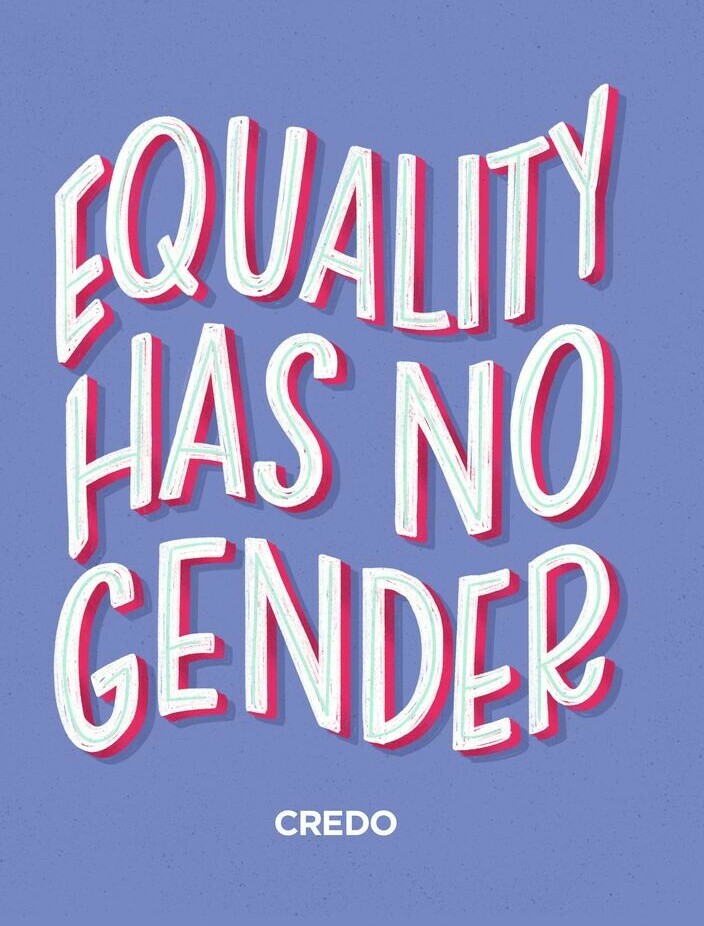
The media and influencers can play a crucial role in reshaping public perceptions and challenging gender stereotypes. They can use their platforms to promote positive and diverse representations of gender, challenging traditional beliefs and stereotypes. By creating a more inclusive and diverse media landscape, they can help foster a society where gender equality is valued and promoted.
Community-Driven Solutions and the Role of Local Leaders
Community-driven solutions and the role of local leaders are vital in promoting gender equality. They can foster a sense of ownership and engagement in the community, driving sustainable change. By involving local leaders and community members in initiatives and decision-making processes, societies can create a more inclusive and equitable environment, where all individuals, regardless of their gender, are valued and respected.
No Responses