Breaking Chains and Shattering Stereotypes: South Asian Girl Leaders vs. Traditional Roles
Hey there, trailblazers and dreamers! 🌟 Imagine you’re flipping through a vibrant, living storybook where each chapter is filled with the triumphs and trials of South Asian girls. On one side, we have the pages steeped in tradition and age-old expectations. On the other, the bold, new chapters of modern-day girl leaders rewriting their destinies. Let’s dive into these contrasting tales and celebrate the incredible journey from tradition to transformation.
Chapter 1: The Traditional Canvas – Roots and Roles
First, let’s immerse ourselves in the traditional roles that have long defined the lives of South Asian girls. These roles are like a rich tapestry, woven with cultural heritage, family values, and societal expectations.
The Caregiver: Traditionally, South Asian girls are often seen as the backbone of the family, shouldering responsibilities from a young age. They are nurturers, caregivers, and the glue that holds households together. This role, while noble, often limits their opportunities to explore the world beyond their homes.
The Dutiful Daughter: Many girls grow up with the expectation to uphold family honor, marry at a young age, and devote themselves to their husbands and in-laws. Education and personal ambitions can take a back seat to these traditional duties.
The Silent Supporter: In many conservative settings, girls are taught to be seen and not heard. Their voices are often subdued, and their dreams confined within the walls of societal norms.
Chapter 2: The New Dawn – Rise of the Girl Leaders
Now, let’s turn the page to the stories of South Asian girl leaders who are breaking chains and shattering stereotypes. These are the pioneers, the rebels with a cause, who are redefining what it means to be a girl in South Asia.
The Education Champion: Malala Yousafzai, the youngest Nobel Prize laureate, is a shining beacon of hope. Shot by the Taliban for advocating girls’ education in Pakistan, she rose like a phoenix, using her voice to champion education for all girls. Malala’s story is a testament to the power of resilience and the unyielding quest for knowledge.
The Legal Warrior: Indira Jaising, one of India’s most prominent human rights lawyers, has been a relentless advocate for women’s rights. She has fought landmark cases that challenge gender discrimination and has inspired countless young girls to pursue careers in law and activism.
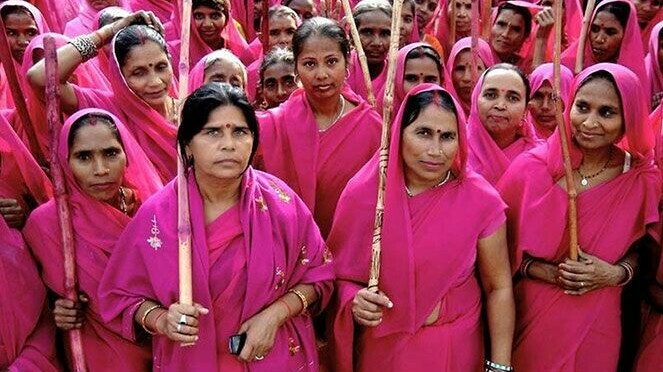
The Pink Avengers: The Gulaab Gang, led by Sampat Pal Devi, is a group of women vigilantes in India who wear pink saris and fight against social injustices such as domestic violence, child marriage, and corruption. Armed with lathis (sticks), they symbolize strength and solidarity, showing that sisterhood can be a powerful force for change.
Chapter 3: The Clash and Convergence – Tradition Meets Transformation
As we delve deeper, we see that these modern success stories don’t completely abandon tradition but often blend it with a new, empowering perspective.
Cultural Fusion: Many girl leaders find strength in their cultural roots while pushing for progress. They honor traditions that uplift and unite, while challenging those that oppress and limit. This fusion creates a unique narrative that respects the past while boldly stepping into the future.
Community and Change: Traditional roles often emphasize community and family, which can be powerful allies in the fight for change. Leaders like Kiran Bedi, India’s first female police officer, work within the framework of their communities to inspire trust and drive reform.
Role Models and Mentors: The rise of girl leaders creates a ripple effect. When girls see role models who look like them and come from similar backgrounds, it ignites a spark of possibility. Initiatives like the Nanhi Kali project in India, which supports the education of underprivileged girls, show how local efforts can create future leaders who transform society.
Chapter 4: The Path Forward – Empowerment for All
So, how do we ensure that more South Asian girls can write their own success stories, bridging the gap between tradition and transformation?
Education and Awareness: Promoting education is key. It’s not just about academics but also about awareness—teaching girls about their rights and possibilities. Schools and communities need to foster environments where girls can dream big and pursue those dreams.
Support Systems: Creating support systems that include mentorship, family engagement, and community programs can provide the necessary encouragement for girls to step into leadership roles. Organizations like SEWA (Self Employed Women’s Association) empower women through self-reliance and support.
Policy and Advocacy: Strong policies that promote gender equality, protect against discrimination, and provide opportunities for girls are essential. Advocacy at both local and national levels can drive systemic change.
And there you have it—a colorful, dynamic journey through the contrasting worlds of traditional roles and modern leadership for South Asian girls. By celebrating these success stories and supporting the dreams of the next generation, we can create a world where every girl has the opportunity to lead, inspire, and transform. Here’s to the fearless girls who dare to dream and the traditions that evolve to support them. 🌍💪📚
No Responses