Celebrating the Rise of Strong South Asian Female Characters
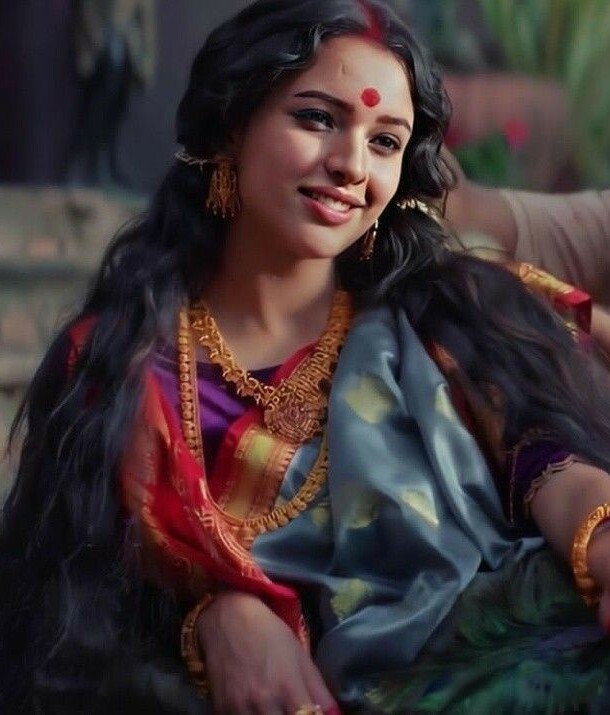
Introduction to the Evolving Portrayal of South Asian Women in Media
The portrayal of South Asian women in media has undergone a significant transformation over the years. From being confined to stereotypical roles, they are now depicted as multifaceted individuals with their own stories and strengths. This shift is not just a reflection of changing societal norms but also a catalyst for further cultural evolution.
The Impact of Strong Female Characters on Cultural Norms and Expectations
Strong female characters challenge and redefine cultural norms and expectations. They serve as powerful symbols of empowerment and agency, inspiring audiences to question traditional gender roles. By showcasing women who are assertive, resilient, and independent, these characters help pave the way for real-life social change.
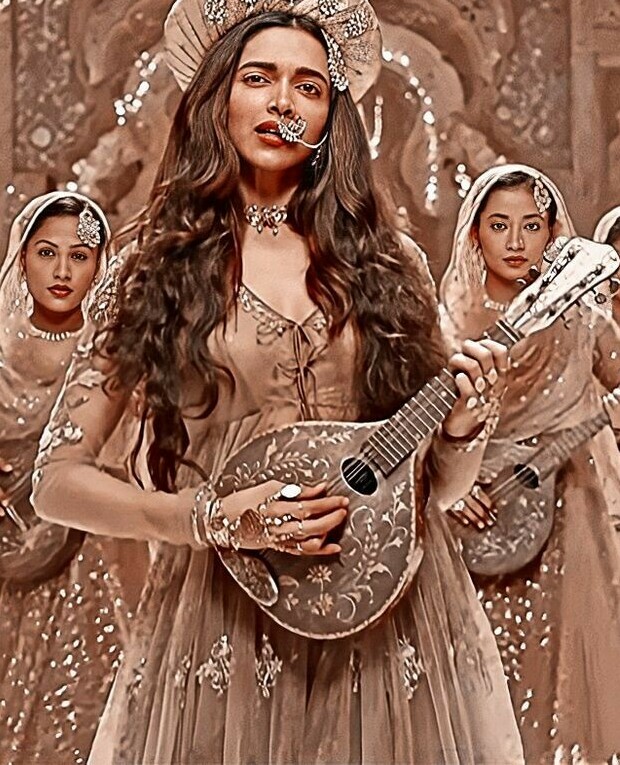
Highlighting Notable Strong South Asian Female Characters in Recent Media
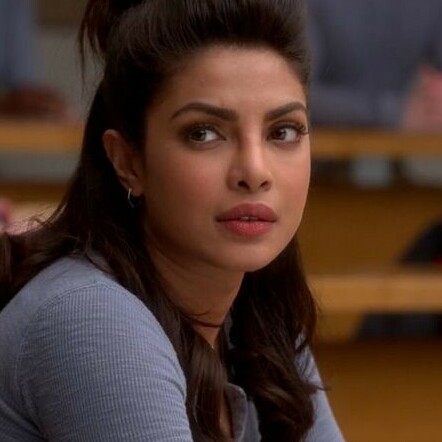
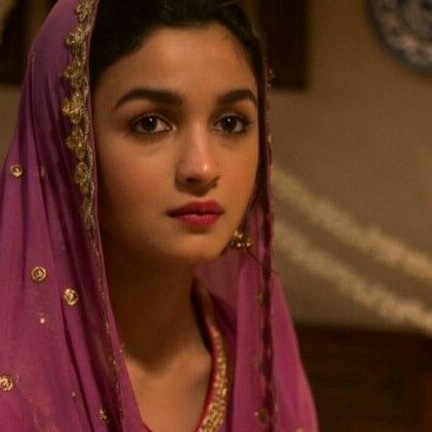
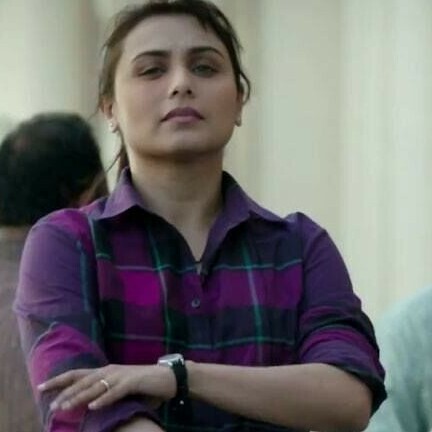
In Bollywood and beyond, characters like Rani from ‘Mardaani,’ played by Rani Mukerji, and Sehmat from ‘Raazi,’ portrayed by Alia Bhatt, exemplify strength and resilience. Outside Bollywood, Priyanka Chopra’s portrayal of Alex Parrish in ‘Quantico’ has also garnered attention for breaking stereotypes and presenting a strong, complex character.
The Characteristics That Define Strength in These Characters
These characters are defined by their resilience, determination, and unwavering principles. They are not just physically strong but also emotionally and intellectually formidable. For instance, Rani in ‘Mardaani’ is a tough police officer who takes on human traffickers, while Sehmat in ‘Raazi’ is a spy who balances national duty with personal sacrifice.
Real-life Inspirations and Their Influence on the Creation of These Characters
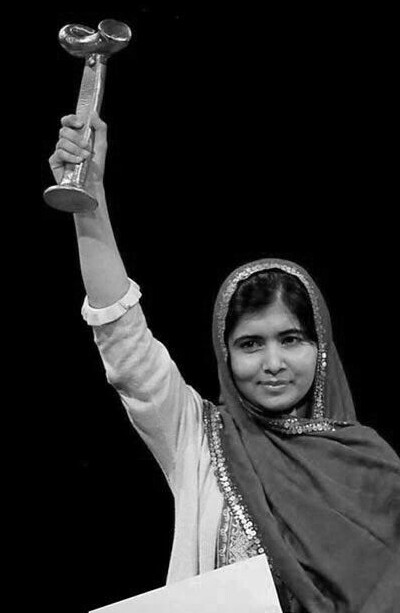
Many strong characters draw inspiration from real-life figures. Malala Yousafzai’s courage and activism have influenced characters that embody bravery and the fight for education and rights. Similarly, Deepika Padukone’s openness about mental health has inspired characters that tackle psychological struggles with grace and strength.

Analysis of Historical Stereotypes of South Asian Women Characters
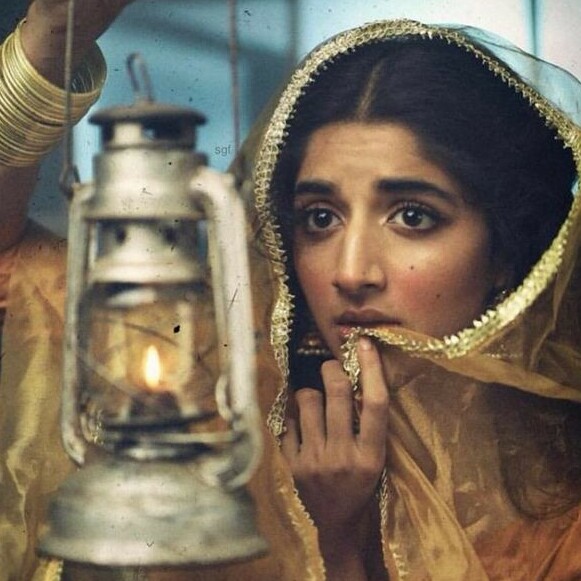
Historically, South Asian women in media were often confined to stereotypes—the submissive daughter, the oppressed wife, or the exotic beauty. These roles were limiting and failed to capture the diverse realities and capabilities of South Asian women.
The Role of Writers and Creators in Reshaping Perceptions
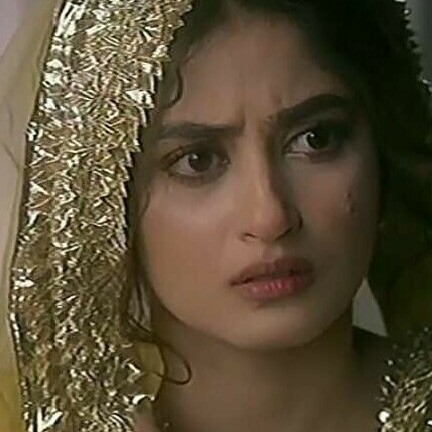
Writers and creators are pivotal in reshaping perceptions by prioritizing authenticity and depth in their storytelling. Moving beyond clichés, they offer nuanced portrayals that reflect the true essence of South Asian women. This involves crafting characters that are as diverse and dynamic as the women they represent.
Case Studies: Comparing Past and Present Depictions of South Asian Women
Past depictions, such as Simran from ‘Dilwale Dulhania Le Jayenge,’ were groundbreaking in their time but still somewhat constrained by traditional expectations. In contrast, contemporary characters like Rani in ‘Mardaani’ and Sehmat in ‘Raazi’ showcase women in roles that highlight their strength and independence, reflecting evolving societal norms.
No Responses