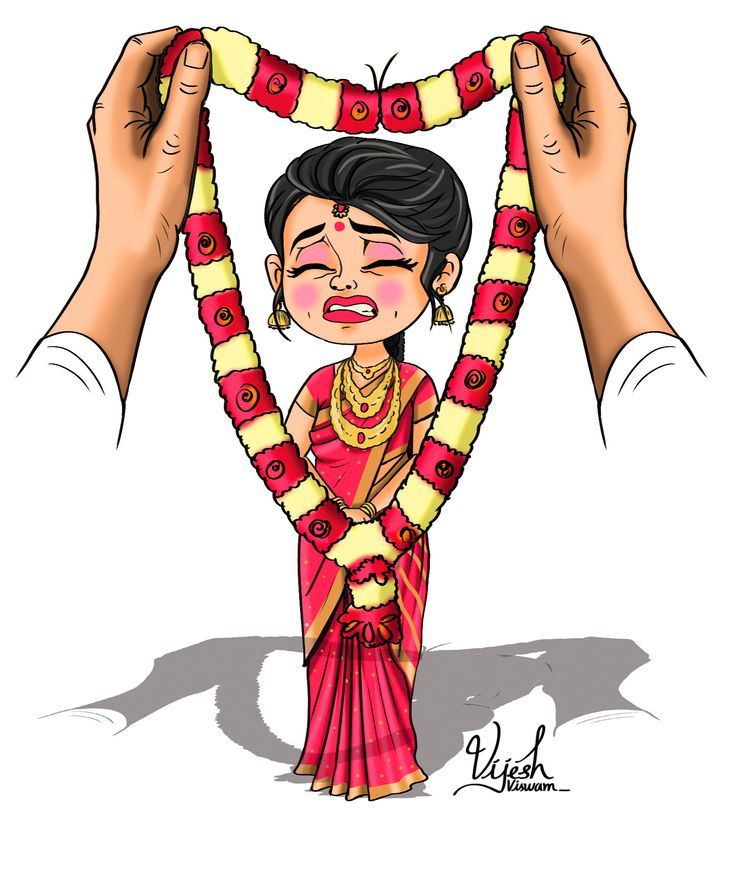
Cultural expectations and traditional beliefs often drive early marriages. In many communities, marriage is seen as a rite of passage and a way to control or protect a young girl’s future, though it might actually hinder it. Exploring how these cultural norms perpetuate the cycle can help others understand the depth of the issue.
Economic hardships heavily influence the decision for early marriages. Families might see marriage as a financial relief, especially in regions where dowries or bride prices can improve their immediate economic situation. It’s essential to recognize the pressures these families face that lead them to such choices.
When looking at the big picture, the statistics are staggering. Early marriages affect millions globally, with significant clusters in sub-Saharan Africa, South Asia, and rural parts of other continents. Regional differences highlight the need for tailored strategies to address this complex problem.
Education plays a double-edged role in this mix. While the lack of access to quality education can drive early marriages, promoting education for girls can act as a shield against it. The correlation between educated girls and reduced early marriages is strong, showcasing the power of education as a preventative tool.
Empowering Communities through Education and Advocacy
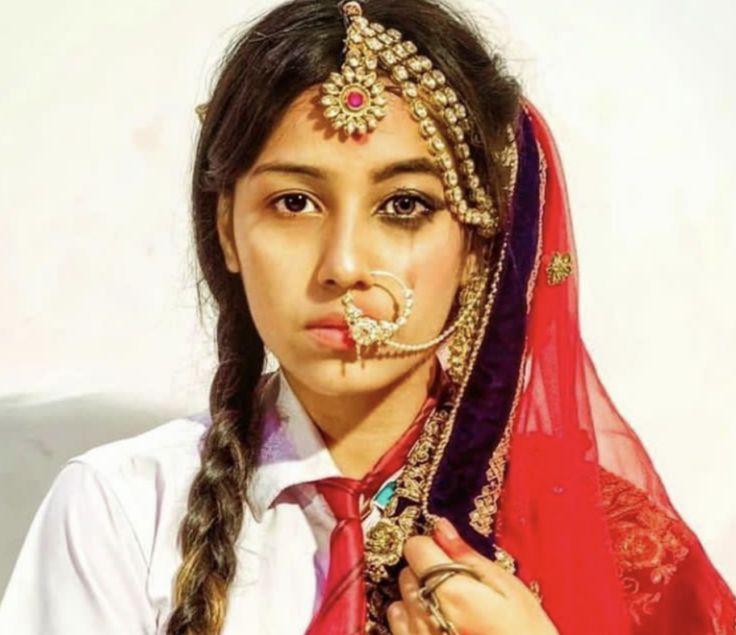
Driving change requires more than just understanding the problem; it calls for meaningful action through education and advocacy. By engaging with communities directly, we can help shift perspectives and bring real improvements to individuals’ lives.
Education stands as a mighty pillar in preventing early marriages. Programs tailored to young girls and their families can open eyes to future possibilities beyond being a young bride. Empowering young people with knowledge about their rights and the impacts of early marriage is crucial in this journey.
Community workshops hold immense value. These sessions can highlight the long-term effects of early marriages on health, economic stability, and general well-being. By creating a safe space for dialogue, workshops encourage discussions that can slowly change entrenched beliefs.
Local grassroots organizations often sit at the heart of these movements. Their deep community ties mean that change is more accepted and embraced. By supporting these groups, we can amplify their voice and extend their reach, turning small efforts into a larger movement.
Of course, laws and policies stand as strong deterrents when implemented. However, it’s not just about having these frameworks in place, but ensuring they are respected and enforced. Advocacy pushes for better policy implementation and even more refined laws to protect young individuals from early marriage pressures.
Providing Economic Incentives and Opportunities
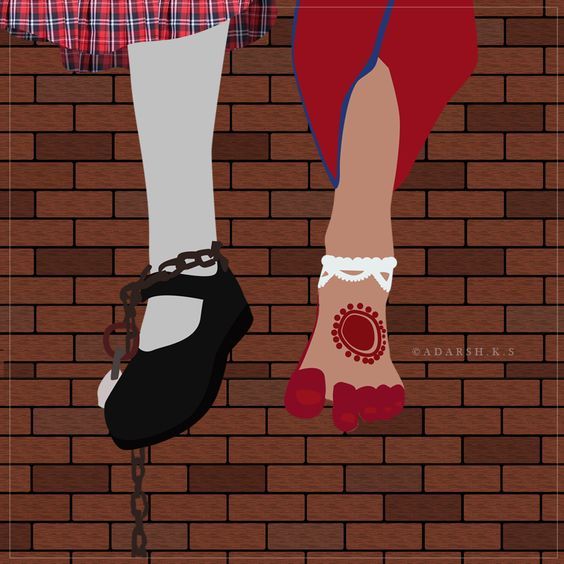
Economic struggles can be a strong driver of early marriages, so offering financial alternatives can make a big difference. Giving young women tools to become economically independent helps them break free from traditional expectations about marriage.
Micro-financing programs can support young women in starting small businesses, letting them take charge of their own financial futures. These opportunities not only empower them but also boost the local economy as they bring fresh ideas to life.
Scholarships and educational grants are vital in making education more accessible for girls. When families don’t have to worry about school costs, they’re less likely to see early marriage as the only viable option. Education opens doors to better job prospects and an independent life for young women.
Teaming up with international aid organizations can greatly expand the reach of community development initiatives. By pooling resources and expertise, these partnerships can fund programs that create long-term change in reducing early marriage rates.
There are countless success stories where economic interventions have lessened the incidence of early marriages. By sharing these real-life examples, communities can see the tangible benefits of economic empowerment, fueling greater support and participation in similar initiatives.
Promoting Health and Well-being Awareness
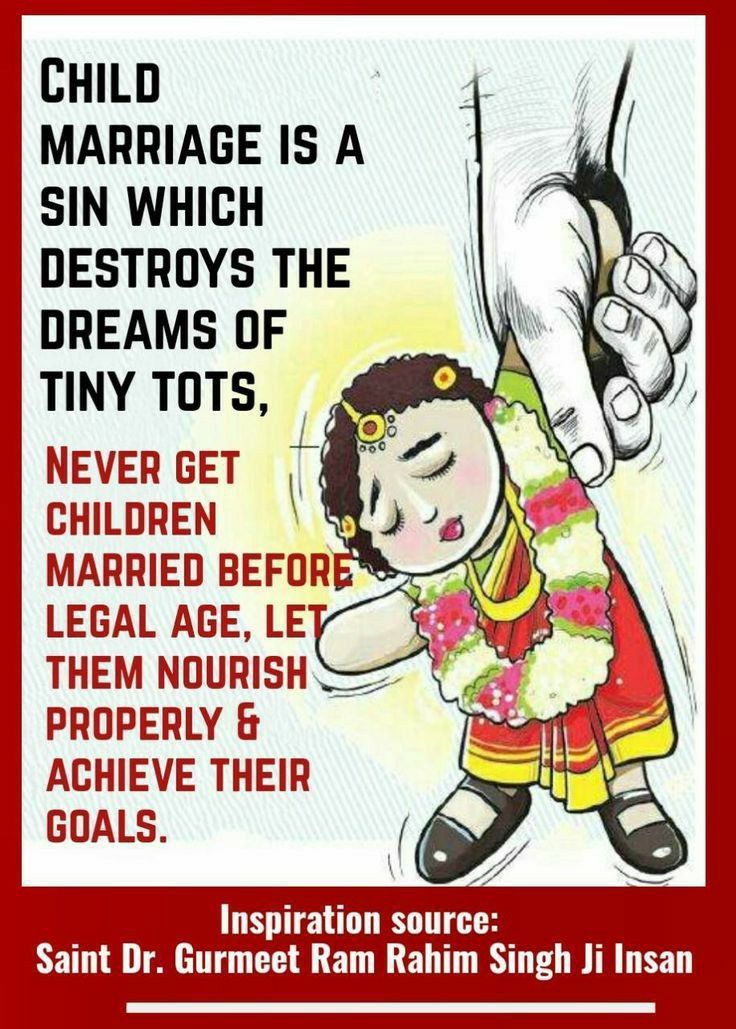
A comprehensive approach to health education is crucial in tackling early marriages. It’s all about making sure young people and their communities understand how early marriages impact mental and physical health, encouraging informed decisions.
Health education programs should focus on reproductive health, a subject that often gets overlooked but is incredibly important. Teaching young girls about their bodies and health rights empowers them to make safer, healthier choices regarding marriage and childbearing.
Access to counseling services offers much-needed support for families and young girls at risk of early marriage. These services provide a platform for sharing concerns and exploring options, helping to alleviate the pressure of societal expectations.
Early marriages can have severe health consequences, from increased risks during childbirth to emotional distress. Raising awareness about these outcomes can push communities to rethink the practice and prioritize health and well-being over tradition.
Healthcare providers have a critical role to play in this mission. By offering resources and support, they can work alongside community programs to build a robust network of care and information, ensuring young girls and their families have the guidance they need.
Fostering Gender Equality and Women’s Empowerment
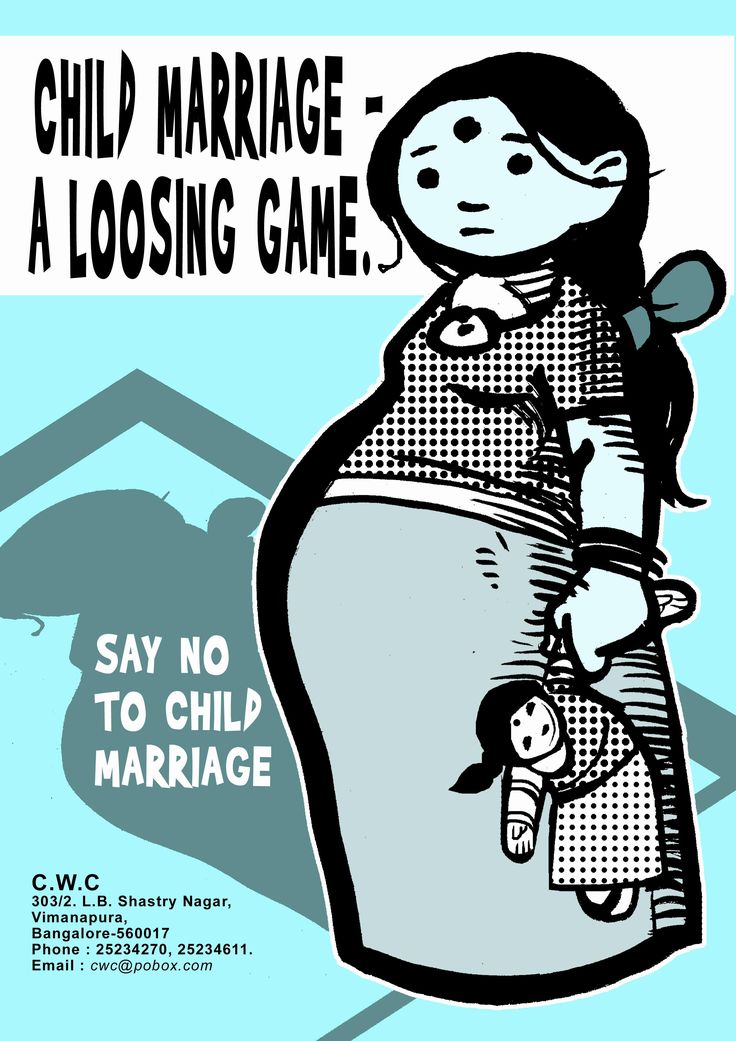
Gender equality isn’t just a buzzword—it’s a fundamental part of preventing early marriages. Challenging long-held gender norms through targeted awareness campaigns can create a mindset shift, one step at a time, enabling girls to pursue life choices beyond early marriage.
Mentoring programs offer young girls the chance to meet role models who have pushed past barriers, providing inspiration and practical advice. Seeing real-life examples of empowered women shows that the path to independence and self-reliance is not only possible but achievable.
Men and boys have a crucial role in promoting gender equality. Encouraging their participation in dialogues about early marriage broadens the conversation, making it a community effort. When everyone joins the discussion, it leads to more effective strategies and outcomes.
Looking at stories of successful women who broke free from traditional cycles of early marriage is incredibly powerful. These narratives not only inspire but also offer practical insights into overcoming challenges and smashing through the glass ceiling.
Promoting gender equality isn’t just a one-time effort; it’s a continual process of education, conversation, and community support. By fostering environments where women and girls can thrive, the cycle of early marriage can be disrupted, leading to lasting change.
No Responses