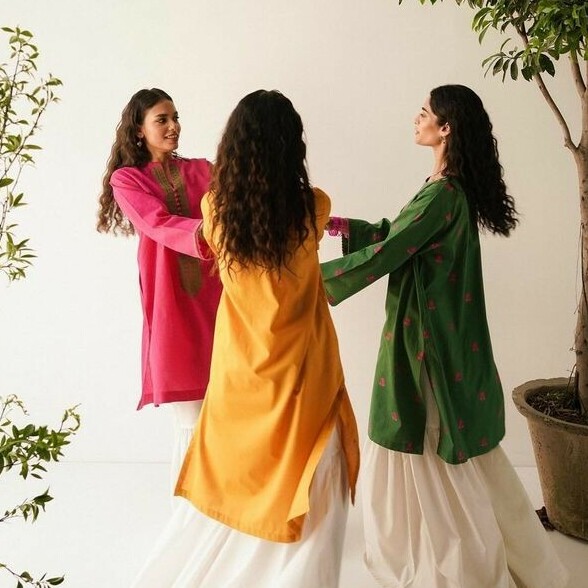
Hey there! Let’s talk about South Asian women’s empowerment and clear up some common misconceptions. Ready? Let’s go!
Misconception #1: South Asian women need to be “rescued.”
Whoa, hold on! South Asian women are not damsels in distress waiting for a knight in shining armor. They are fierce, resilient, and resourceful. From leading households to leading countries, they’ve been breaking barriers for centuries. Think of powerhouse women like Indira Gandhi, Malala Yousafzai, and countless others who are making waves in every field. They don’t need rescuing – they need recognition and support.
Misconception #2: Empowerment means abandoning tradition.
Let’s bust this one right away. Empowerment isn’t about turning your back on traditions; it’s about having the freedom to choose. South Asian women are masters at blending tradition with modernity. They can wear a sari and slay in the boardroom or rock a kurta while coding up a storm. It’s all about embracing heritage while carving out their own paths.
Misconception #3: Empowered South Asian women face no opposition.
Let’s be real – the road to empowerment isn’t always smooth. Societal expectations, cultural norms, and even family pressures can create obstacles. But these challenges are not stop signs; they are stepping stones. South Asian women are incredibly adept at navigating these complexities and turning challenges into opportunities for growth and change.
Misconception #4: Empowerment is a Western concept.
Empowerment is not a one-size-fits-all idea imported from the West. South Asian women have been empowering themselves and their communities for ages, long before the term became popular. From historical figures like Rani Lakshmibai to modern-day activists like Vandana Shiva, empowerment has deep roots in South Asian history and culture.
Misconception #5: Only educated, urban women can be empowered.
Think again! Empowerment is not limited to any one group. Rural women, women with little formal education, and women from all walks of life are finding ways to empower themselves and others. Microfinance initiatives, grassroots movements, and local leadership programs are just a few examples of how empowerment is reaching every corner of South Asia.
Misconception #6: Empowered women reject their roles in the family.
Empowerment doesn’t mean rejecting family roles; it means having the choice to balance multiple roles on their own terms. South Asian women are embracing both career and family, finding innovative ways to manage and excel in both. They’re proving that you don’t have to choose one over the other – you can have both.
Misconception #7: Empowerment looks the same for everyone.
There’s no single blueprint for empowerment. For some, it might mean pursuing a high-powered career; for others, it might mean starting a small business, getting an education, or advocating for community change. Empowerment is personal and diverse, reflecting the unique journeys and aspirations of each woman.
In Conclusion:
South Asian women’s empowerment is a multifaceted, dynamic journey. It’s about breaking stereotypes, embracing choices, and creating new narratives. By debunking these misconceptions, we can better appreciate the incredible strength, resilience, and creativity of South Asian women.
So next time you hear these misconceptions, remember – South Asian women are out there, rewriting the rules, redefining success, and making the world a better place, one step at a time. Let’s celebrate their empowerment and support their journey! 🌟
No Responses