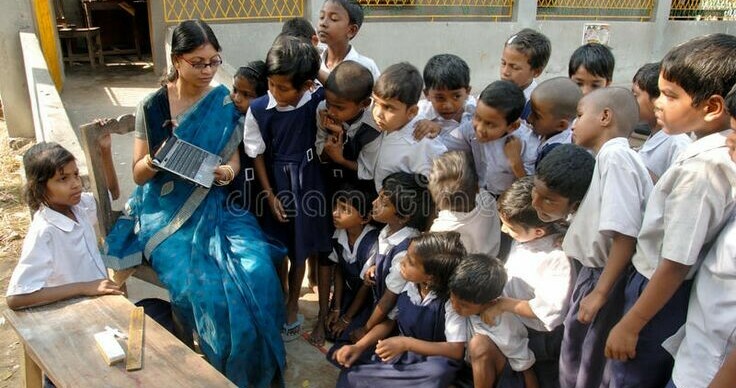
The Tale of Two Schools: Rural vs. Urban Education for South Asian Girls
Hey there, education enthusiasts! 🌟 Imagine you’re embarking on a journey through the vibrant landscapes of South Asia. Our adventure takes us from the bustling, tech-savvy urban centers to the serene, picturesque rural villages. Along the way, we’ll explore the stark contrasts and shared dreams in the education of South Asian girls. Buckle up, and let’s hit the road!
Stop 1: The Urban Jungle – High-Rises and High Hopes
Welcome to the city, where the skyline is dotted with skyscrapers and the streets buzz with energy. Here, education is a high-stakes game, and schools are hubs of ambition and opportunity.
Access and Infrastructure: Urban schools often boast state-of-the-art facilities, well-stocked libraries, and access to technology. Girls in these schools have the world at their fingertips, literally! From smart classrooms to coding boot camps, the urban education landscape is rich with resources.
Extracurricular Extravaganza: City schools are like a carnival of opportunities. Robotics clubs, debate teams, sports facilities—you name it, they have it. These activities not only enhance learning but also build confidence and leadership skills among girls.
Global Exposure: Urban education opens doors to global perspectives. Guest lectures from international experts, exchange programs, and access to a plethora of online courses mean that urban girls are well-prepared to compete on a global stage.
Challenges: However, the urban jungle isn’t without its thorns. The pressure to excel can be intense, leading to stress and burnout. Additionally, socio-economic disparities within cities mean that not all girls have equal access to these opportunities.
Stop 2: The Rural Oasis – Fields of Dreams
Now, let’s journey to the countryside, where the air is fresh, and the community spirit is strong. Here, education takes on a different rhythm, intertwined with the daily lives and cultural fabric of the village.
Close-Knit Community: In rural areas, schools are often the heart of the community. Education is a communal effort, with teachers, parents, and villagers playing an active role in nurturing the girls’ growth. This close-knit environment provides a strong support system.
Cultural Integration: Rural education is deeply connected to local traditions and values. Girls learn about their heritage, agricultural practices, and community responsibilities alongside academic subjects. This holistic approach fosters a sense of identity and pride.
Resourcefulness and Resilience: Despite limited resources, rural schools often embody incredible creativity and resilience. Teachers find innovative ways to engage students, from outdoor science experiments to storytelling sessions. This resourcefulness instills a spirit of adaptability in girls.
Challenges: The challenges in rural education are significant. Limited access to advanced facilities, fewer extracurricular activities, and long distances to schools can hinder learning. Additionally, societal norms and economic pressures sometimes lead to higher dropout rates among girls.
The Bridge: Connecting Dreams
So, how can we bridge the gap between these two worlds and ensure every girl, whether in a bustling city or a tranquil village, has access to quality education?
Technology as a Connector: Imagine a scenario where digital classrooms bring the best urban educators to rural schools. Online learning platforms and virtual reality can create immersive learning experiences for girls everywhere. Projects like Khan Academy and eVidyaloka are already making strides in this direction.
Community-Led Initiatives: Empowering local communities to take charge of education can create sustainable change. Training local teachers, involving parents, and fostering community-owned schools ensure that education is relevant and impactful. Programs like Barefoot College are shining examples of this approach.
Policy and Investment: Governments and NGOs need to prioritize investment in rural education infrastructure. Building more schools, providing transportation, and ensuring access to sanitation and health facilities can remove significant barriers to education for rural girls.
Mentorship and Role Models: Connecting girls from rural areas with mentors and role models from urban centers can inspire and motivate them. Whether through online platforms or exchange programs, these connections can broaden their horizons and ignite their ambitions.
And there you have it—a vibrant journey through the educational landscapes of rural and urban South Asia. Each setting, with its unique strengths and challenges, contributes to the rich tapestry of girl empowerment. By bridging these worlds, we can create a future where every girl’s dream, whether born in a skyscraper or a village hut, has the chance to soar. Here’s to a future where every girl’s potential is realized, no matter where her story begins! 🚀📚🌾
No Responses