Shedding Light on the Objectification of Bollywood Actresses
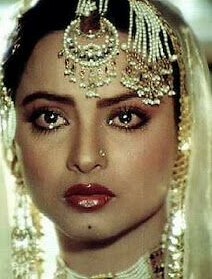 The Objectification of Bollywood Actresses: A Closer Look
Bollywood, the heartbeat of Indian cinema, is famed for its vibrant songs, larger-than-life stories, and iconic stars. Yet, behind the dazzle and glamour, there’s a persistent issue: the objectification of actresses. This isn’t a fleeting trend but a deeply entrenched problem that significantly impacts how society views women both on and off the screen.
Historical Context: Evolution of Female Roles in Indian Cinema
To grasp why Bollywood actresses are objectified, we must explore the history of Indian cinema. In its early days, female roles were often secondary, meant to support the male protagonist or simply add aesthetic appeal. We saw the classic “damsel in distress” or the ever-sacrificing mother figure. While Bollywood has evolved to feature more complex female characters, it still struggles to break free from these outdated molds.

Impact of Objectification on Society’s Perception of Women
The way women are portrayed in Bollywood films significantly shapes societal attitudes. When actresses are consistently depicted as objects of desire, it reinforces harmful stereotypes that women’s worth is tied to their physical appearance. This objectification spills over into real life, affecting how women are perceived and treated, leading to issues like body shaming and unrealistic beauty standards.
Analyzing the Gap Between Male and Female Character Development
There’s a noticeable gap between male and female character development in Bollywood. Male characters are given depth, complex story arcs, and heroic attributes, while female characters often serve as eye candy or plot devices. This disparity not only limits actresses but also perpetuates the notion that men are the true heroes, while women are mere accessories.
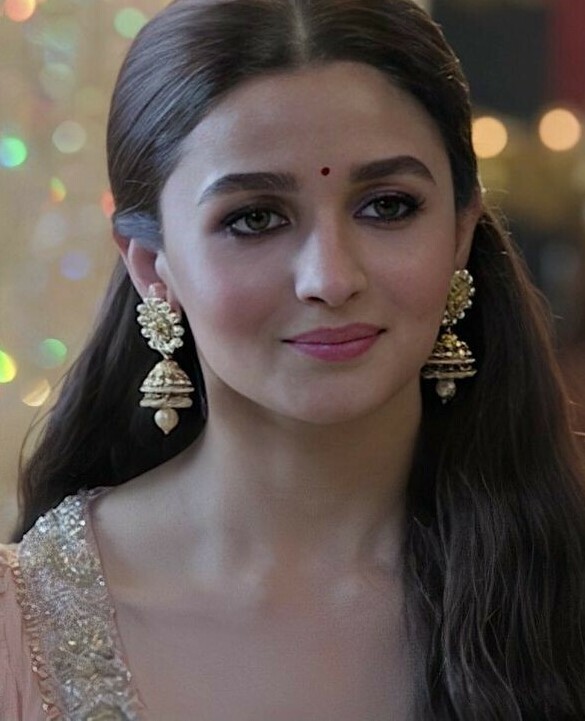
The Role of the Audience: Demand for Certain Portrayals and Its Effects
Audience demand plays a crucial role in the persistence of objectification. Bollywood, like any entertainment industry, is driven by what sells. Item numbers, glamorous dance sequences, and hyper-sexualized portrayals of women often attract larger crowds and bigger box office returns. This demand creates a vicious cycle where filmmakers continue to produce content that objectifies women because it’s perceived as commercially viable.
Efforts to Combat Objectification: Progressive Cinema and Changing Narratives
Despite these challenges, there’s a growing movement within Bollywood to combat the objectification of actresses. Progressive filmmakers are pushing for more nuanced and respectful portrayals of women. Films like “Queen,” “Piku,” and “Thappad” have shown that stories centered around strong, independent female characters can be both critically acclaimed and commercially successful. These narratives highlight women’s struggles, triumphs, and complexities, proving that audiences are ready for change.
The Way Forward: Empowering Women Through Better Representation
The way forward requires a collective effort from filmmakers, audiences, and the industry as a whole. Bollywood needs to continue evolving, creating space for women to be portrayed as multidimensional beings with their own stories, dreams, and challenges. Empowering women through better representation not only enriches cinema but also sends a powerful message to society: women are more than their appearances; they are leaders, thinkers, and change-makers.
In conclusion, the objectification of Bollywood actresses is a deeply rooted issue with far-reaching implications. By understanding its historical context, recognizing its impact, and supporting progressive narratives, we can pave the way for a more inclusive and empowering representation of women in Indian cinema. It’s time for Bollywood to reflect the true strength, resilience, and beauty of women beyond the superficial, and celebrate their invaluable contributions to storytelling.
No Responses