Current state of girls’ empowerment in South Asian countries
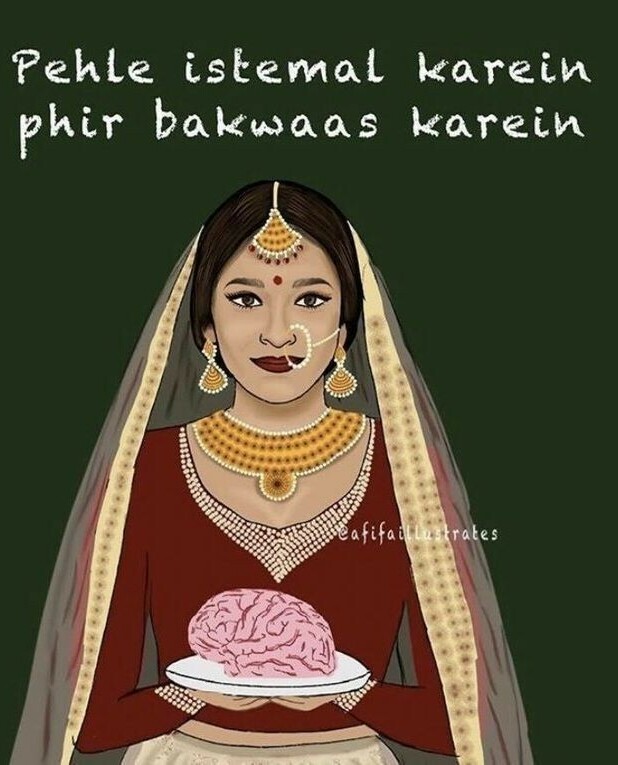
Girls’ empowerment in South Asia is a complex issue, influenced by a range of social, cultural, and economic factors. While there has been progress in recent years, many girls still face significant barriers to equality and empowerment.
Cultural and social norms that influence girls’ roles and opportunities
Cultural and social norms in South Asia often dictate the roles and opportunities available to girls. Traditional beliefs about gender roles can limit girls’ access to education and employment and restrict their participation in society.
Initiatives and programs in place for promoting empowerment
Various initiatives and programs are in place across South Asia to promote girls’ empowerment. These range from educational programs to initiatives aimed at improving girls’ access to healthcare and employment.
Statistical insights into education, employment, and leadership opportunities for South Asian girls
Statistics reveal that girls in South Asia face significant challenges in accessing education, employment, and leadership opportunities. For example, literacy rates among girls are lower than those for boys, and girls are less likely to be employed or to hold leadership positions.

Common Misconceptions about Empowering South Asian Girls
There are many misconceptions about empowering South Asian girls. For example, some people believe that empowerment is a Western concept that is not applicable to South Asian societies.
Myth vs. reality: Debunking stereotypes surrounding South Asian girls
Many stereotypes surround South Asian girls, such as the belief that they are submissive or that they are not interested in education or employment. These stereotypes are not only inaccurate, but they also hinder efforts to empower girls.

The notion that empowerment is a Western concept
Some people believe that empowerment is a Western concept that is not applicable to South Asian societies. This is a misconception. Empowerment is a universal human right, and girls in South Asia have the same right to be empowered as girls anywhere else in the world.
Misunderstanding of the impact of education on female emancipation
Education is a key factor in female emancipation. However, some people misunderstand its importance. They may believe that education is not necessary for girls or that it does not have a significant impact on their lives. This is not true. Education is a powerful tool for empowerment and can significantly improve girls’ lives.

The role of political instability and policy shortcomings
Political instability and policy shortcomings also pose significant barriers to girls’ empowerment in South Asia. For example, policies may not adequately protect girls’ rights, or they may not be effectively implemented.
Cultural stigmas and their effects on mental health and self-perception
Cultural stigmas can have a significant impact on girls’ mental health and self-perception. These stigmas can make girls feel inferior or unworthy, hindering their empowerment.
The technology gap and its implications on girls’ empowerment in South Asia
The technology gap in South Asia is a significant barrier to girls’ empowerment. Many girls do not have access to technology, which can limit their education and employment opportunities.
Navigating Forward: Holistic Strategies for True Empowerment
To truly empower South Asian girls, a holistic approach is needed. This includes community engagement and education to shift societal norms, advocacy for policy reform, investment in technology and infrastructure to close the digital divide, and promoting success stories and role models within South Asian communities.
No Responses