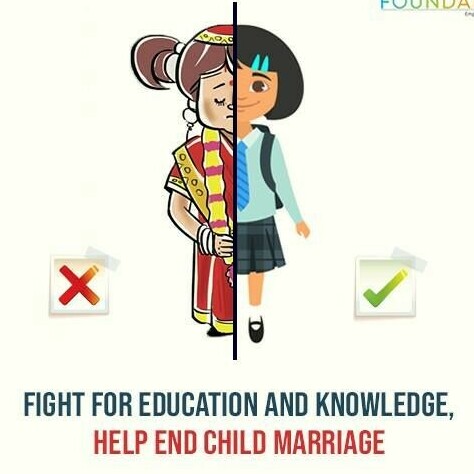
Imagine we’re sitting together in a cozy nook of a South Asian library, the scent of old books mingling with the aroma of chai. Let’s open a special book, its pages brimming with stories of the history of girl child welfare in South Asia. Each chapter reveals a fascinating journey of hope, struggle, and triumph.
Our story begins in ancient times, where the birth of a girl was often met with mixed emotions. In some communities, she was cherished and revered, while in others, she faced neglect and discrimination. Yet, even in these early days, there were sparks of change. Think of the powerful women in ancient scriptures and legends, like Sita in the Ramayana and Draupadi in the Mahabharata, who, despite the challenges, showcased resilience and strength.
Turning the page to the medieval era, we find a landscape dominated by rigid social structures. The practice of child marriage was rampant, and education for girls was almost unheard of. But amidst this, there were trailblazers like Razia Sultan, the only woman to rule the Delhi Sultanate, who challenged norms and proved that leadership and wisdom were not confined to any gender.
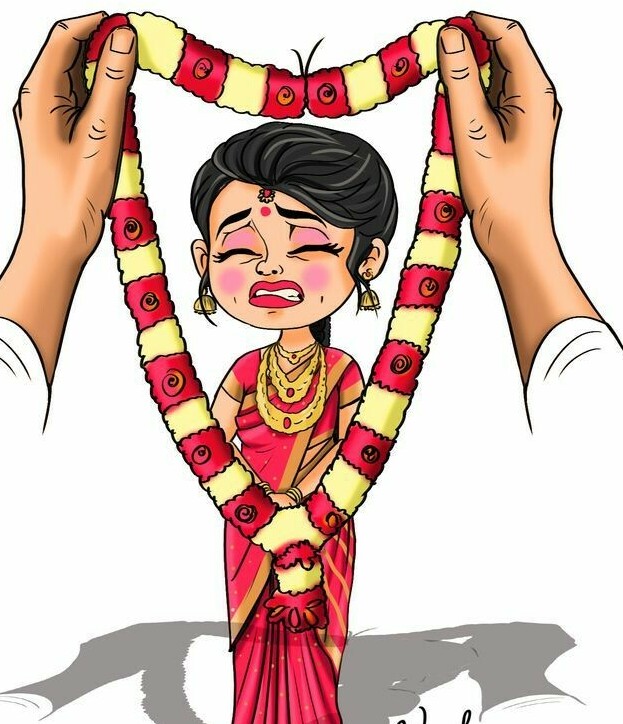
The colonial period brought both challenges and opportunities. The British rule imposed new social norms, but it also sparked a wave of reform movements. Visionaries like Raja Ram Mohan Roy in India and Begum Rokeya in Bengal began advocating for the education and rights of girls. Schools for girls started to emerge, planting the seeds of a future where education would be a fundamental right for all children.
As we turn the page to the mid-20th century, the winds of change are palpable. Countries in South Asia are fighting for independence, and women are at the forefront of these movements. Leaders like Sarojini Naidu and Fatima Jinnah not only fought for freedom but also emphasized the importance of girl child welfare. Post-independence, governments across the region began implementing policies to promote education and health for girls, though the path was still fraught with obstacles.
In the late 20th century, the narrative takes a significant turn. The international community’s focus on human rights brings issues like child marriage, female infanticide, and gender-based violence into the spotlight. Campaigns and organizations dedicated to girl child welfare, like UNICEF and Save the Children, start making a tangible difference. Grassroots movements and NGOs within South Asia, such as the Self Employed Women’s Association (SEWA) in India, begin empowering girls through education and vocational training.
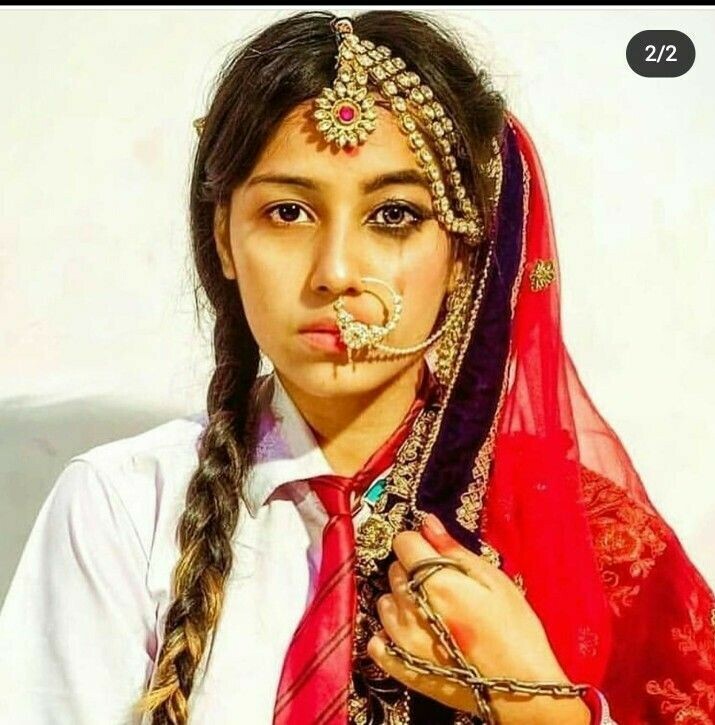 Now, as we flip to the most recent chapter, the 21st century, the progress is heartening but the challenges remain. Technological advancements and social media have become powerful tools for advocacy and awareness. Initiatives like the Beti Bachao Beti Padhao (Save the Daughter, Educate the Daughter) in India and the A World at School campaign highlight the importance of educating girls and protecting their rights. Influential figures like Malala Yousafzai, who survived an assassination attempt for advocating girls’ education, inspire millions and bring global attention to the cause.
This chapter is still being written. Across South Asia, girls are breaking barriers and shattering stereotypes. They are excelling in schools, participating in sports, leading in technology and science, and standing up for their rights. The journey of girl child welfare in South Asia is a testament to the resilience and potential of millions of girls who, given the opportunity, can transform not only their lives but also their communities and the world.
As we close this book, the story of girl child welfare in South Asia leaves us with a sense of hope and determination. It’s a narrative of continuous progress, driven by the unwavering spirit of those who believe in a future where every girl can thrive. And while there are many pages yet to be written, each step forward is a promise that the story will only get better.
No Responses