Breaking Stereotypes: Female Characters Redefining Norms
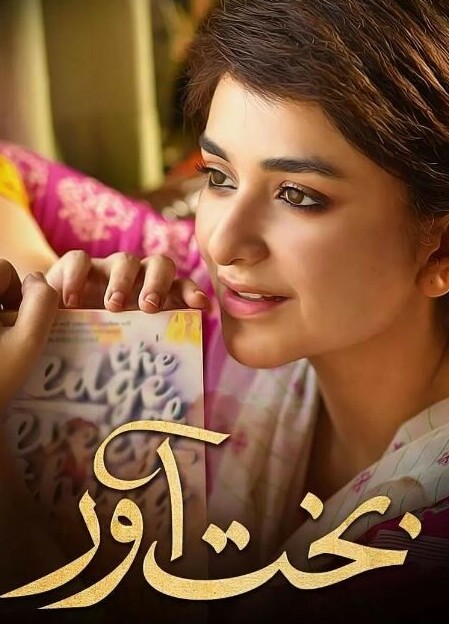
Pakistani dramas have long been a staple of South Asian entertainment, capturing the hearts of audiences with their rich storytelling and compelling characters. Over the years, these dramas have evolved significantly, reflecting societal changes and embracing new narratives. One of the most notable shifts has been in the portrayal of women, moving from traditional roles to more empowered and dynamic characters.
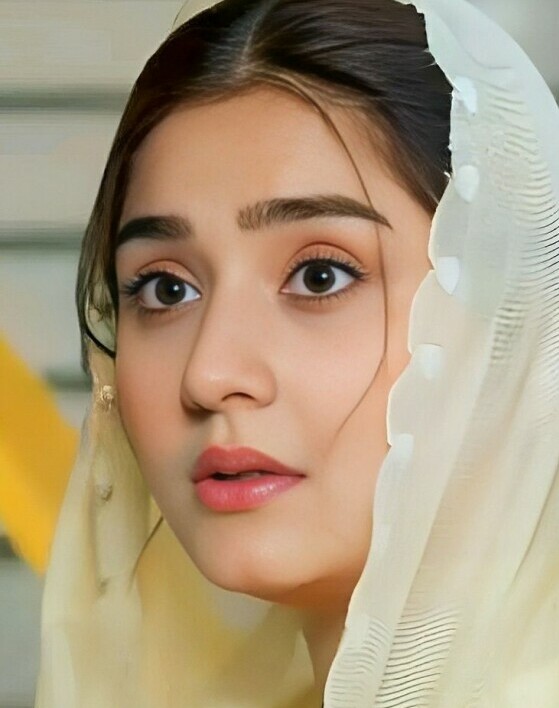
Historical Portrayal Versus Modern Depiction of Women in Pakistani TV
Traditionally, Pakistani dramas often depicted women in conventional roles—devoted homemakers, dutiful daughters, or the ever-suffering wife. These characters were typically defined by their relationships with men and their ability to endure hardship with grace. However, in recent years, there has been a marked transformation. Modern Pakistani dramas now frequently showcase women as independent, ambitious, and resilient, challenging societal norms and gender stereotypes.
Analysis of Leading Female Characters Challenging Gender Roles
Today’s leading female characters in Pakistani dramas are multifaceted and complex. They are lawyers, doctors, entrepreneurs, and activists. These characters not only pursue personal and professional goals but also confront and challenge patriarchal structures. By doing so, they provide a more realistic and inspiring representation of women in contemporary society.

Case Studies of Dramas Where Women Are Portrayed in Empowered Roles
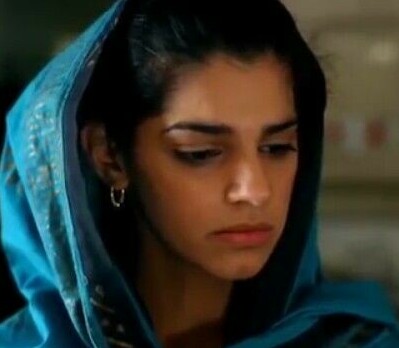
Several Pakistani dramas have garnered attention for their portrayal of strong female leads. For instance:
- “Zindagi Gulzar Hai”: The protagonist, Kashaf, is a determined young woman who overcomes economic hardships to achieve academic and professional success. Her journey is a powerful narrative of resilience and self-belief.
- “Diyar-e-Dil”: This drama features female characters who assert their rights and make bold life choices, reflecting the changing dynamics within traditional family structures.
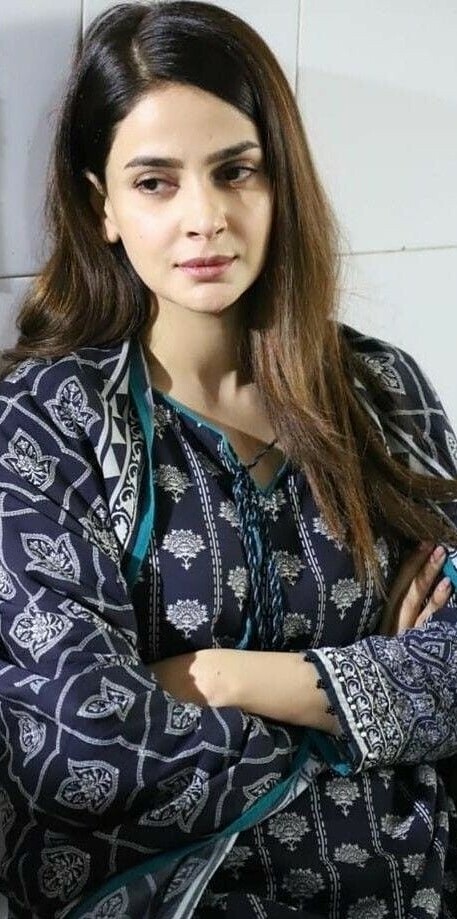
- “Cheekh”: Saba Qamar’s character, Mannat, is a fierce advocate for justice, fighting against powerful forces to expose the truth behind her friend’s murder. Her role emphasizes courage and moral integrity.
Audience Reception and Impact of Strong Female Leads in Society
The audience reception to these empowered female characters has been overwhelmingly positive. Viewers, especially women, find these portrayals relatable and inspiring. Such characters have sparked important conversations about women’s rights and gender equality, encouraging more progressive attitudes in society. The impact of these strong female leads extends beyond entertainment, influencing real-world perspectives and behaviors.
Behind the Scenes: The Creators of Change
The shift towards empowered female characters is not coincidental; it is the result of concerted efforts by writers, directors, and producers who prioritize female empowerment.
Highlighting Writers and Directors Prioritizing Female Empowerment
Visionary writers like Umera Ahmed and Farhat Ishtiaq have been instrumental in crafting stories that put women at the forefront. Directors such as Mehreen Jabbar and Sarmad Khoosat have also played crucial roles in bringing these narratives to life with sensitivity and nuance


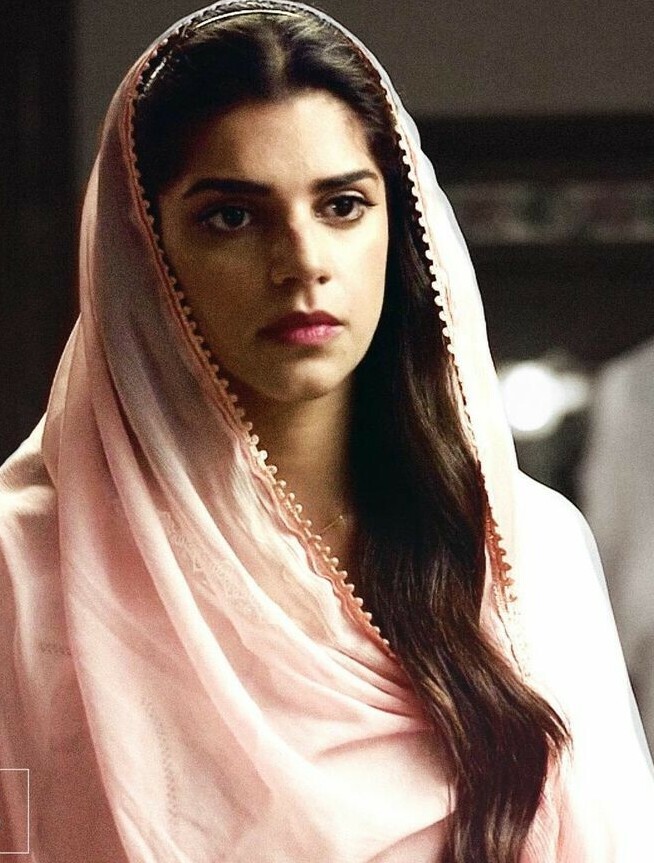
Profiles of Pioneering Actresses Advocating for Empowered Characters
Actresses like Mahira Khan, Sajal Aly, and Sanam Saeed have not only portrayed strong female characters on screen but have also advocated for women’s empowerment off-screen. Their commitment to these roles and their vocal support for women’s issues have made them influential figures in the industry.
The Collaboration Between Media Houses and Social Activists
Collaboration between media houses and social activists has further amplified the impact of these dramas. Organizations working for women’s rights often partner with drama creators to ensure authentic and impactful storytelling that resonates with the audience and promotes social change.
Future Trends: Anticipated Shifts in the Portrayal of Women on Pakistani TV
Looking ahead, the portrayal of women in Pakistani dramas is expected to become even more diverse and inclusive. Future trends indicate a move towards highlighting intersectional issues, representing women from various backgrounds and addressing a broader spectrum of women’s experiences. As societal attitudes continue to evolve, Pakistani dramas will likely keep pace, providing a platform for stories that celebrate women’s empowerment and resilience in all its forms.
No Responses