Debunking False Beliefs About South Asian Girl’s Rights
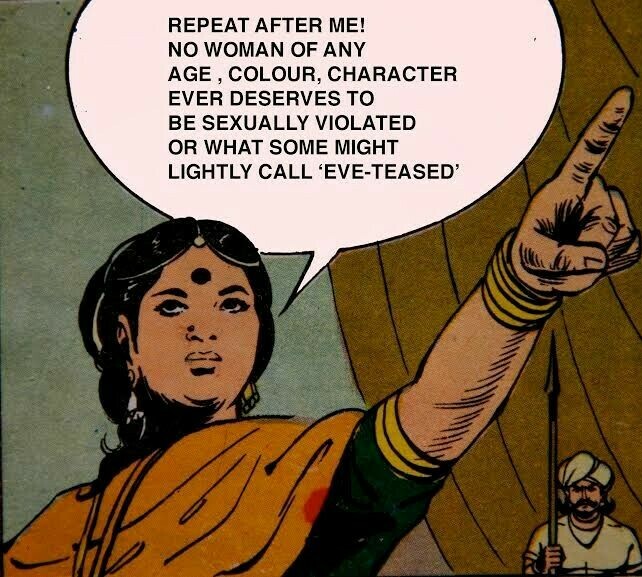
Isn’t it intriguing how stereotypes and misconceptions can warp the perception of a community? This is particularly true for South Asian girls whose rights have long been misunderstood. These false beliefs often find their roots in cultural norms, societal expectations, and lack of awareness. They can cause significant harm by limiting the potential and opportunities for these girls. It’s high time we tackled these misbeliefs head-on.
The Myth of the Submissive South Asian Girl
First off, let’s dismantle the stereotype that South Asian girls are always submissive and obedient. This stereotype unfairly portrays them as passive individuals with no voice or opinion. In truth, South Asian girls are just as capable of leadership, assertiveness, and independence as anyone else. They have a voice that deserves to be heard, and opinions that matter.
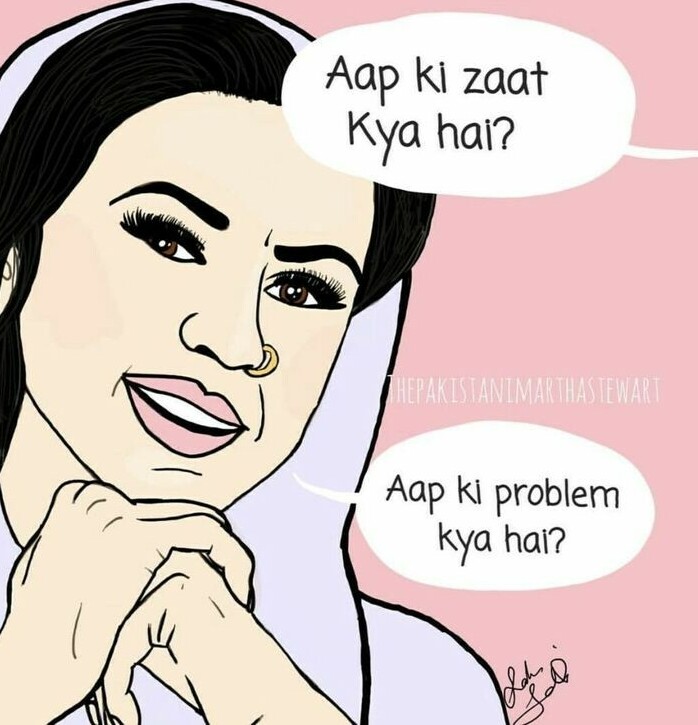
The Misconception of Education’s Unimportance
Another widespread misconception is the belief that education is not important for South Asian girls. This couldn’t be further from the truth. Many South Asian families place a high value on education and fully understand its role in empowering their daughters. They recognize that knowledge is power, and strive to provide their daughters with the best educational opportunities.
The Outdated Belief of Domesticity
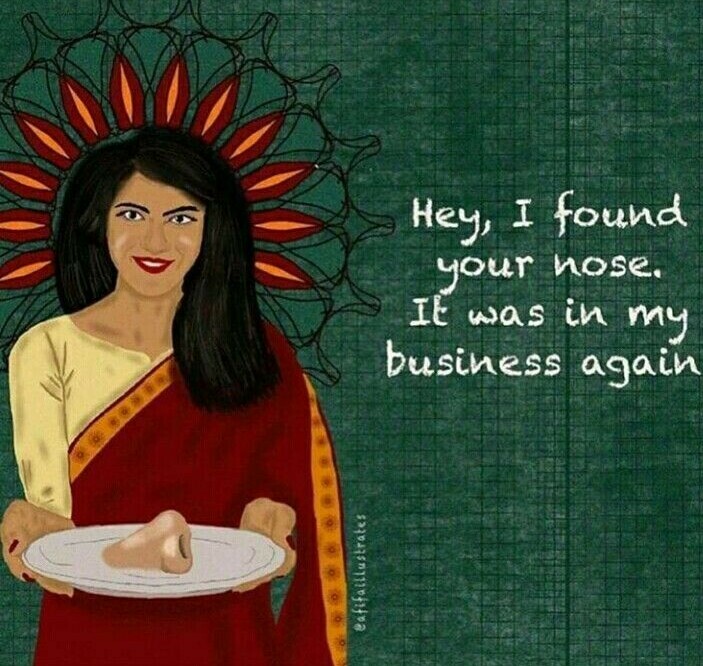
Lastly, let’s address the notion that South Asian girls are only suitable for domestic work. This belief is not only outdated but also grossly inaccurate. South Asian girls have demonstrated their abilities in every field imaginable, from science and technology to sports and arts. They are not restricted to domestic duties but are capable of excelling in any avenue they choose.
Final Thoughts
These are just a few instances of the false beliefs that we need to challenge and change. The potential of South Asian girls is not defined by outdated stereotypes but by their skills, talents, and ambitions. It’s time we celebrated South Asian girls for their true potential and encouraged them to break free from the confines of these stereotypes.
No Responses