
Empowering themselves in leadership roles involves several steps South Asian women can take to navigate and excel. Here are a few strategies:
Embrace Cultural Strengths
Start by embracing and celebrating your cultural strengths. South Asian cultures often emphasize community, resilience, and a strong work ethic. Use these values to your advantage in leadership roles.
Education and Skill Development
Invest in your education and continuously develop your skills. This might mean pursuing higher education, attending workshops, or learning new technologies. The more knowledge and skills you have, the more confident and capable you’ll feel in leadership roles.
Build a Support Network
Create a strong support network of mentors, peers, and allies. Connecting with other women who have faced similar challenges can provide guidance and encouragement. Seek mentors who can offer insights and advice based on their experiences.
Challenge Stereotypes
Address and challenge stereotypes head-on. Speak up against biases and misconceptions about South Asian women. Use your platform to educate others and break down these stereotypes.
Advocate for Yourself
Don’t be afraid to advocate for yourself. This includes negotiating for better pay, asking for promotions, and seeking opportunities that align with your career goals. Assertiveness is key to being seen and heard in leadership positions.
Lead by Example
Be a role model for other South Asian women. Show that it’s possible to overcome challenges and succeed in leadership roles. Your success can inspire others to follow in your footsteps.
Balance Tradition and Modernity
Find a balance between honoring your cultural traditions and embracing modern leadership practices. This balance can help you stay true to your roots while also adapting to contemporary leadership demands.
Self-Care and Well-Being
Take care of your mental and physical well-being. Leadership roles can be demanding, so it’s important to prioritize self-care. This will help you stay resilient and effective in your role.
Learn from Others
Look up to successful South Asian women in leadership roles, like Indra Nooyi or Kamala Harris. Learn from their journeys and apply their lessons to your own path.
By integrating these strategies, South Asian women can empower themselves, break barriers, and thrive in leadership roles.
Jayaben Desai was an influential figure in the history of labor rights and women’s empowerment. Her story is a powerful example of resilience and advocacy for equality.
Jayaben Desai: A Brief Background
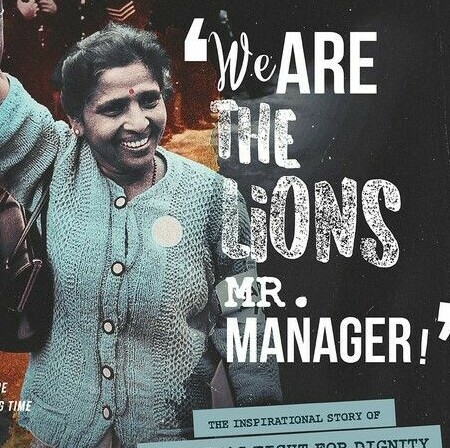
Jayaben Desai was a British-Asian labor leader, born in India, who became widely known for her role in the Grunwick dispute in the late 1970s. This was a pivotal moment in British labor history, and Jayaben played a central role in advocating for workers’ rights.
The Grunwick Dispute
The Grunwick dispute began in 1976 at the Grunwick film-processing factory in North London. The workforce was predominantly composed of South Asian women who faced poor working conditions, low pay, and a lack of respect from management. Jayaben Desai, who worked at Grunwick, led her fellow workers in a strike after she was dismissed for demanding better working conditions.
Advocacy and Leadership
Jayaben’s leadership was characterized by her unwavering determination and eloquence. She famously told her manager, “What you are running here is not a factory, it is a zoo. But in a zoo, there are many types of animals. Some are monkeys who dance on your fingertips, others are lions who can bite your head off. We are those lions, Mr. Manager.”
Her statement highlighted her resolve to fight against exploitation and mistreatment. Jayaben and her fellow workers’ strike lasted for nearly two years, attracting widespread attention and support from trade unions, activists, and the broader community.
Impact on Women Empowerment
Jayaben Desai’s advocacy had a significant impact on women’s empowerment, particularly for immigrant and working-class women. Her efforts brought several key issues to the forefront:
- Visibility for Marginalized Workers: Jayaben’s leadership drew attention to the plight of immigrant workers, particularly women, who were often overlooked and undervalued in the labor market.
- Challenging Stereotypes: She challenged stereotypes about South Asian women being submissive and passive. Her bold and articulate stance demonstrated that South Asian women could be strong, vocal leaders.
- Solidarity and Support: The Grunwick dispute garnered solidarity from various unions and social justice groups, highlighting the importance of collective action and support in fighting for workers’ rights.
- Legacy of Empowerment: Jayaben’s actions inspired future generations of women to stand up for their rights and seek better working conditions. Her legacy continues to be a source of inspiration for labor rights activists and feminists around the world.
Conclusion
Jayaben Desai’s advocacy for women empowerment was rooted in her courageous fight for justice and equality. Her leadership during the Grunwick dispute not only improved conditions for her fellow workers but also left an indelible mark on the labor movement and women’s rights. Her story is a testament to the power of resilience, solidarity, and the impact one determined individual can have in advocating for change.
No Responses