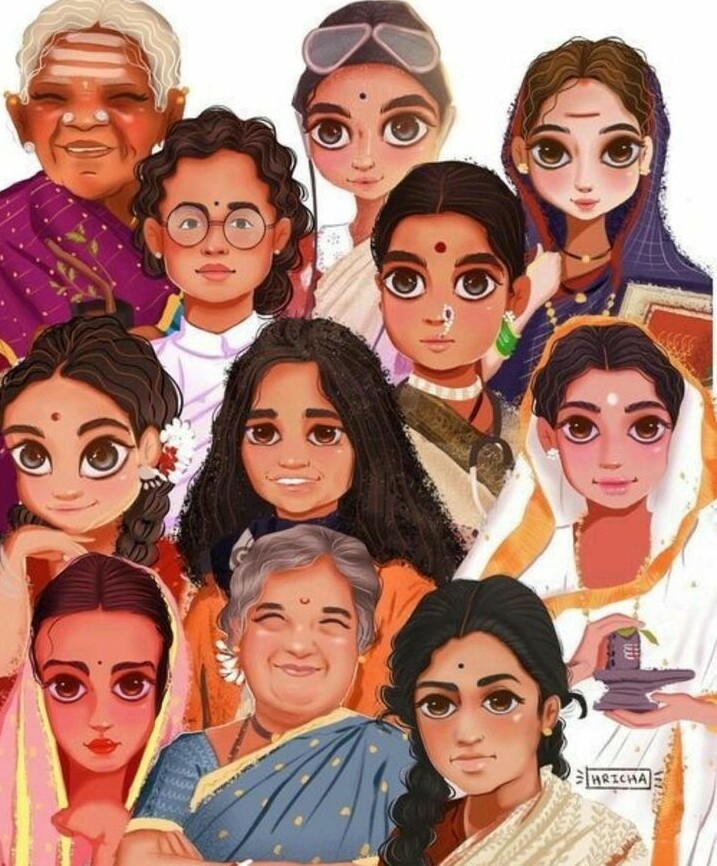
Developing leadership skills as a South Asian woman involves a combination of self-awareness, education, practical experience, and leveraging cultural strengths while addressing challenges. Here are some strategies to help you on this journey:
1. Self-Awareness and Personal Development
- Reflect on Strengths and Weaknesses: Conduct self-assessments to understand your strengths, weaknesses, and areas for improvement. Tools like SWOT analysis can be helpful.
- Set Personal Goals: Define clear, actionable leadership goals. These should align with your personal values and professional aspirations.
2. Education and Skill Building
- Formal Education: Pursue leadership and management courses through universities, online platforms, or professional development programs.
- Skill Workshops: Attend workshops and seminars that focus on specific leadership skills such as communication, conflict resolution, decision-making, and strategic thinking.
3. Mentorship and Networking
- Find Mentors: Seek out mentors who can provide guidance, support, and feedback. Mentors can be within your organization, community, or industry.
- Build a Network: Connect with other professionals and leaders. Join professional organizations, attend industry conferences, and participate in networking events to build relationships.
4. Practical Experience
- Take on Leadership Roles: Volunteer for leadership roles in your community, workplace, or professional organizations. Practical experience is invaluable.
- Lead Projects: Start by leading small projects or teams to gain confidence and experience. Gradually take on more significant responsibilities.
5. Cultural Competence and Adaptation
- Leverage Cultural Strengths: Use the strengths of your cultural background, such as strong community ties, empathy, and resilience, to enhance your leadership style.
- Adapt to Different Cultures: Develop cultural competence by understanding and adapting to diverse cultural norms and practices in a globalized world.
6. Communication Skills
- Effective Communication: Hone your verbal and written communication skills. Clear and confident communication is key to effective leadership.
- Active Listening: Practice active listening to understand others’ perspectives and build stronger relationships.
7. Confidence and Assertiveness
- Build Confidence: Engage in activities that boost your self-confidence, such as public speaking, debate clubs, or performing arts.
- Assertive Communication: Learn to express your thoughts and needs assertively, balancing respect for others with self-respect.
8. Conflict Resolution
- Mediation Skills: Develop skills in mediation and conflict resolution to handle disagreements and foster a collaborative environment.
- Negotiation: Learn negotiation techniques to advocate for yourself and your team effectively.
9. Emotional Intelligence
- Self-Regulation: Manage your emotions and stay composed under pressure.
- Empathy: Understand and empathize with the emotions of others, fostering a supportive and inclusive environment.
10. Decision-Making and Problem-Solving
- Analytical Skills: Enhance your analytical skills to make informed decisions based on data and evidence.
- Creative Problem-Solving: Encourage creative thinking and innovation when addressing challenges.
11. Resilience and Adaptability
- Bounce Back: Cultivate resilience to recover from setbacks and continue moving forward.
- Adapt to Change: Be flexible and open to change, adapting your leadership style as needed.
12. Advocacy and Empowerment
- Advocate for Others: Use your leadership position to advocate for the rights and opportunities of other South Asian women and marginalized groups.
- Empower Your Team: Foster an environment where team members feel empowered to contribute and grow.
13. Work-Life Balance
- Self-Care: Prioritize self-care to maintain your physical and mental well-being.
- Time Management: Develop effective time management skills to balance professional responsibilities and personal life.
14. Feedback and Continuous Improvement
- Seek Feedback: Regularly seek feedback from peers, mentors, and team members to identify areas for improvement.
- Continuous Learning: Stay committed to lifelong learning and self-improvement.
By following these strategies, South Asian women can develop strong leadership skills, navigate cultural challenges, and make significant contributions to their communities and professional fields.
No Responses