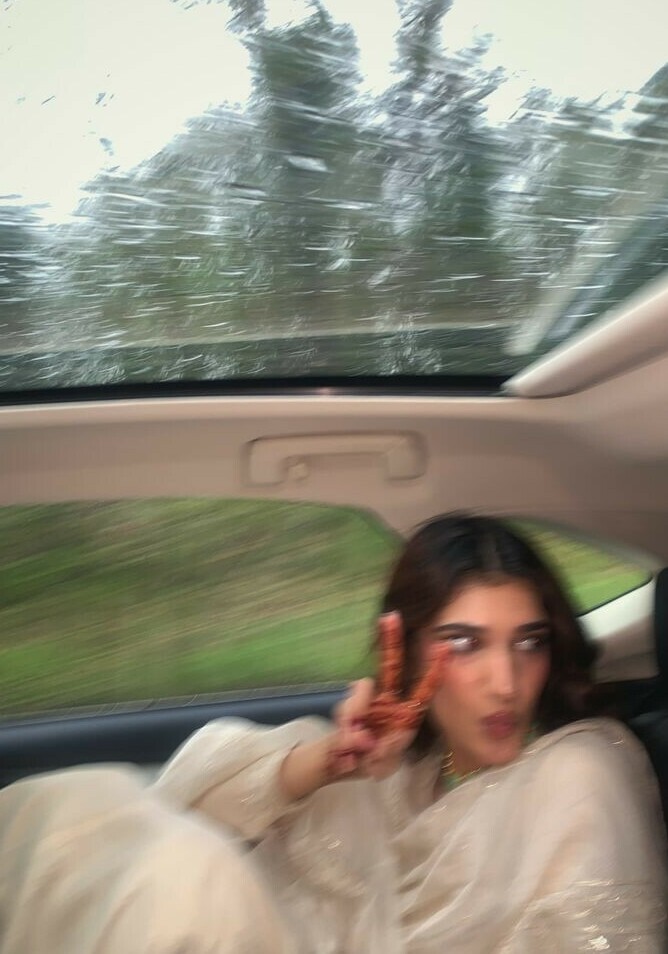
Hey there! Let’s take a stroll through the colorful lanes of South Asia, where every corner whispers tales of traditions, heritage, and the indomitable spirit of its women. Imagine a world where saris and salwar kameezes flutter like vibrant butterflies, each thread telling a story of resilience, grace, and legacy.
South Asian women, be it from India, Pakistan, Bangladesh, Sri Lanka, Nepal, Bhutan, or the Maldives, share a common thread of cultural richness, yet each holds unique traditions close to their hearts. Picture a bustling Indian market where women haggle over the price of bangles, the clinking sound reminiscent of age-old festivals celebrated with zeal. Now, transport yourself to a serene Sri Lankan village, where women expertly weave intricate patterns into fabrics, their fingers dancing to the rhythm of history.
One can’t talk about South Asian women without mentioning the beauty of festivals. Diwali, Eid, Durga Puja, Vesak, and Holi – these are not just festivals but a celebration of life, where women play a pivotal role. Imagine the fervor of Eid in Pakistan, where women, adorned in vibrant clothes and intricate mehndi designs, prepare feasts that bring families together. Or the grandeur of Durga Puja in Bengal, where women offer prayers with devotion, their faces lit with the glow of a thousand lamps.
But it’s not just the festivals; it’s the everyday traditions that paint a vivid picture. The morning ritual of applying a bindi, symbolizing the third eye of wisdom. The practice of lighting diyas at dusk, a small gesture that connects generations. The art of cooking, where recipes are passed down like heirlooms, each dish a blend of love, culture, and spices.
South Asian women have always been the torchbearers of tradition, yet they are the harbingers of change. Take, for instance, the concept of arranged marriages – once the norm, now evolving into a blend of tradition and modernity. Women today are not just passive participants; they are active decision-makers, choosing partners who respect their values and individuality.
Education and empowerment have redefined the role of South Asian women. From the ancient universities of Nalanda, where women scholars debated philosophy, to contemporary times, where women like Malala Yousafzai fight for education rights, the quest for knowledge is unending. South Asian women have stepped into diverse fields, from science and technology to politics and arts, carving out spaces where their voices resonate powerfully.
The legacy of South Asian women is also etched in the arts – the soulful ghazals of Begum Akhtar, the powerful dance of Rukmini Devi Arundale, and the bold writings of Kamala Das. These women, through their creative expressions, have challenged norms and inspired generations.
In the realm of cinema, characters like Rani from “Queen” or Meerab from “Tere Bin” have shown the strength and complexity of South Asian women, resonating with audiences far and wide. These portrayals challenge stereotypes, offering nuanced stories that reflect the true spirit of South Asian women – resilient, multifaceted, and inspiring.
As we celebrate the cultural heritage and traditions of South Asian women, let’s remember it’s a living, breathing legacy. It’s in the lullabies sung to infants, the wisdom shared over a cup of chai, and the dreams nurtured in the hearts of young girls. It’s a heritage that honors the past, embraces the present, and confidently strides into the future.
So, here’s to the South Asian women – the keepers of traditions, the warriors of change, and the storytellers of tomorrow. Your cultural heritage is not just a part of history; it’s the canvas on which the future is painted.
No Responses