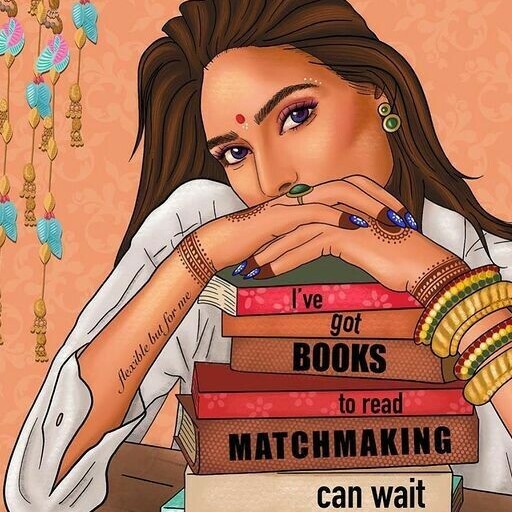
South Asian women face a variety of challenges when it comes to empowerment, influenced by cultural, social, economic, and political factors. Here are some of the key challenges:
Cultural and Social Norms
- Traditional Gender Roles: Many South Asian societies have deeply ingrained gender roles that prioritize male authority and female subservience, making it difficult for women to pursue education, careers, or leadership roles.
- Patriarchal Family Structures: Women are often expected to prioritize family responsibilities over personal or professional aspirations, which can limit their opportunities for empowerment and independence.
- Honor and Reputation: Concerns about family honor and societal reputation can restrict women’s freedom and choices, such as their mobility, dress, or social interactions.
Economic Barriers
- Limited Access to Education: While progress has been made, access to quality education remains a significant barrier for many South Asian women, particularly in rural areas.
- Employment Discrimination: Women often face discrimination in the job market, including lower wages, fewer opportunities for advancement, and biases against hiring women for certain roles.
- Economic Dependence: Financial dependence on male family members can limit women’s ability to make autonomous decisions and achieve economic empowerment.
Legal and Political Challenges
- Lack of Legal Protection: In some South Asian countries, legal protections for women’s rights are either weak or poorly enforced, leaving women vulnerable to violence, discrimination, and exploitation.
- Underrepresentation in Politics: Women are often underrepresented in political leadership and decision-making positions, which limits their ability to influence policies that affect their lives.
Health and Well-Being
- Reproductive Health: Access to reproductive health services and education is often limited, affecting women’s health and their ability to make informed choices about their bodies and futures.
- Mental Health Stigma: Mental health issues are often stigmatized, preventing women from seeking help and support. The stress of balancing societal expectations and personal aspirations can take a toll on mental well-being.
Violence and Safety
- Gender-Based Violence: Domestic violence, sexual harassment, and other forms of gender-based violence remain pervasive issues, with many women lacking the support and resources to seek justice.
- Public Safety: Concerns about safety in public spaces can restrict women’s mobility and participation in various activities, including work and education.
Intersectional Discrimination
- Caste and Class: In addition to gender, factors like caste and class can further marginalize South Asian women, making it even more challenging for them to access opportunities and resources.
- Ethnicity and Religion: Discrimination based on ethnicity and religion can compound the challenges women face, leading to multiple layers of oppression and exclusion.
Strategies for Overcoming Challenges
- Education and Awareness: Promoting education and raising awareness about women’s rights can help challenge stereotypes and change societal attitudes.
- Policy and Legal Reforms: Advocating for stronger legal protections and policies that promote gender equality can create a more supportive environment for women’s empowerment.
- Economic Empowerment: Providing women with access to financial resources, job opportunities, and entrepreneurial support can help them achieve economic independence.
- Support Networks: Building strong networks of support, including mentorship programs and women’s groups, can provide guidance, encouragement, and resources.
- Addressing Violence: Implementing effective measures to prevent and address gender-based violence, and providing support services for survivors, is crucial for creating safe environments for women.
By addressing these challenges through concerted efforts at individual, community, and policy levels, South Asian women can be better empowered to achieve their full potential and contribute meaningfully to society
No Responses