In recent years, South Asian women entrepreneurs and marketers have led several innovative and impactful marketing campaigns that have set new standards in the industry. These campaigns not only showcase their creativity and business acumen but also highlight how cultural insights, authenticity, and strategic thinking can drive success. Here are some notable case studies of successful marketing campaigns led by South Asian women:

1 . Fenty Beauty by Rihanna
Although Rihanna is not South Asian, the success of Fenty Beauty, which has had a significant influence on South Asian beauty markets, is worth noting in this context. The campaign revolutionized the beauty industry with its inclusivity and diversity, setting a benchmark for beauty brands worldwide. Fenty Beauty’s marketing strategy, emphasizing a wide range of shades to suit all skin tones, has been mirrored by South Asian beauty influencers and entrepreneurs who have embraced inclusivity in their own campaigns.
Key Takeaways:
- Inclusivity: Fenty Beauty’s campaign demonstrated the power of inclusivity, a lesson that South Asian beauty brands have adopted by offering products catering to a diverse range of skin tones and types.
- Authenticity: Rihanna’s genuine approach to addressing the needs of all consumers created a strong brand loyalty, something South Asian brands have emulated by focusing on authentic representation.
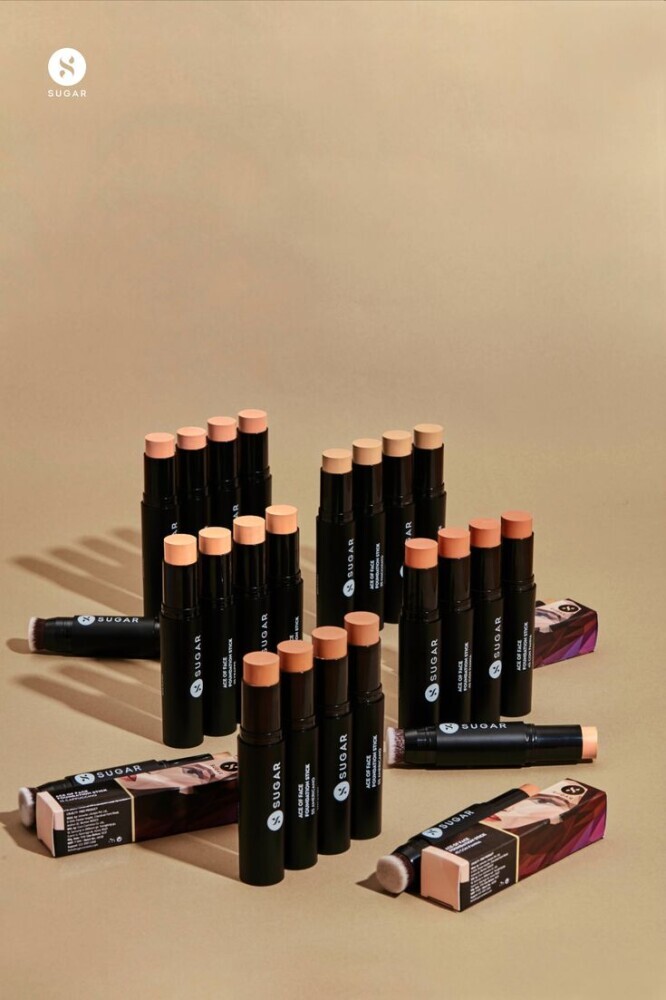
2. SUGAR Cosmetics by Kaushik Mukherjee and Vineeta Singh
Campaign: SUGAR Cosmetics has grown rapidly in the Indian market with a unique positioning that combines high-quality products with bold, edgy branding. Co-founders Kaushik Mukherjee and Vineeta Singh have leveraged digital marketing and social media to build a strong brand presence.
Strategy and Execution:
- Influencer Collaborations: SUGAR Cosmetics partnered with popular influencers and makeup artists to create engaging content, reaching a broad audience through Instagram and YouTube.
- Localized Marketing: The brand’s campaigns are tailored to resonate with Indian beauty standards and preferences, incorporating regional languages and cultural nuances.
Results:
- Brand Growth: SUGAR Cosmetics saw significant growth in brand visibility and customer base, becoming one of India’s leading cosmetic brands.
- Community Engagement: The brand’s use of relatable content and influencer partnerships helped build a strong, engaged community.
Key Takeaways:
- Targeted Influencer Marketing: Collaborating with influencers who resonate with the brand’s audience helps build credibility and expand reach.
- Cultural Relevance: Tailoring marketing campaigns to local preferences and cultural contexts can enhance customer connection and brand loyalty.

3. Nykaa by Falguni Nair
Campaign: Nykaa, founded by Falguni Nayar, is a leading beauty and wellness retailer in India. Nykaa’s marketing strategies have been instrumental in its growth, including its highly successful #TheNykaaFever campaign.
Strategy and Execution:
- Content Creation: Nykaa created engaging and educational content around beauty and wellness, including tutorials, product reviews, and skincare tips.
- Omnichannel Approach: The brand utilized both online and offline channels, including a robust e-commerce platform and physical retail stores, to reach a wider audience.
Results:
- Market Leadership: Nykaa became one of India’s most popular beauty destinations, with a strong online presence and a growing number of physical stores.
- Community Building: The brand built a loyal customer base through effective engagement and educational content.
Key Takeaways:
- Integrated Marketing: Combining online content with offline retail strategies helps create a cohesive brand experience.
- Educational Content: Providing valuable information helps build trust and position the brand as an authority in the industry.

4. House of Masaba by Masaba Gupta
Campaign: House of Masaba, founded by designer Masaba Gupta, is known for its vibrant and innovative fashion designs. The brand’s marketing campaigns have effectively used digital platforms to reach a diverse audience.
Strategy and Execution:
- Social Media Savvy: Masaba Gupta utilized Instagram and Twitter to showcase her designs, behind-the-scenes content, and personal stories. The brand’s playful and authentic voice resonated with followers.
- Celebrity Endorsements: The brand collaborated with celebrities and influencers to boost visibility and create buzz around new collections.
Results:
- Increased Visibility: House of Masaba gained significant media attention and grew its customer base through strategic social media engagement.
- Brand Loyalty: The brand’s unique style and relatable content helped build a strong and loyal following.
Key Takeaways:
- Authentic Branding: Maintaining an authentic and engaging brand voice helps connect with audiences on a personal level.
- Strategic Collaborations: Partnering with celebrities and influencers can amplify reach and enhance brand visibility.

5. Herbal Essentials by Anisha Singh
Campaign: Herbal Essentials, co-founded by Anisha Singh, focuses on natural skincare products. The brand’s marketing strategy highlights the benefits of herbal ingredients and sustainable practices.
Strategy and Execution:
- Content Marketing: The brand produced informative content about the benefits of herbal ingredients and sustainable beauty practices, educating consumers about the product’s unique selling points.
- Sustainability Focus: Herbal Essentials emphasized its commitment to eco-friendly practices and ethical sourcing, appealing to environmentally conscious consumers.
Results:
- Customer Engagement: The brand’s focus on education and sustainability resonated with its target audience, driving customer loyalty and positive brand perception.
- Market Differentiation: Herbal Essentials established itself as a leader in the natural skincare segment through its commitment to quality and sustainability.
Key Takeaways:
- Educational Marketing: Providing detailed information about product benefits and ethical practices can differentiate a brand in a competitive market.
- Sustainability Messaging: Emphasizing commitment to sustainability appeals to a growing segment of environmentally conscious consumers.
Conclusion
These case studies illustrate the diverse and innovative marketing strategies led by South Asian women that have achieved remarkable success. By leveraging cultural insights, digital platforms, and authentic branding, these entrepreneurs have created impactful campaigns that resonate with audiences and drive business growth. As South Asian women continue to make their mark in the marketing world, their approaches serve as valuable lessons in creativity, strategy, and empowerment.
No Responses