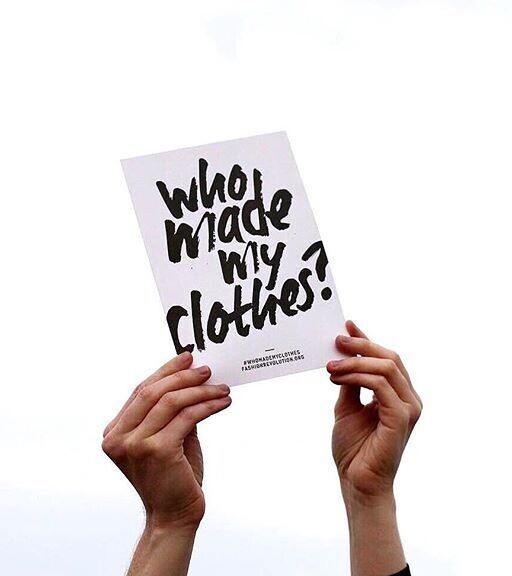
In conversation with Amina, Isha, and Nida
Amina: I’ve been thinking a lot about how some of the big brands we shop from are linked to the Palestine-Israel conflict. It’s kind of shocking when you realize that your money might be supporting companies that contribute to oppression. I think it’s time we start looking at ethical alternatives.
Isha: I’m so with you on that, Amina. It’s crazy how many brands are complicit, but what makes it even harder is that a lot of people don’t know where to start when it comes to finding alternatives. It’s like, “Okay, I want to stop supporting unethical brands, but where do I shop instead?”
Nida: Exactly! And as South Asian women, we have huge buying power. We need to be more conscious about what we’re supporting, especially when it comes to such serious issues like the Palestine-Israel conflict. I’ve been doing some research, and it’s totally possible to shift to ethical brands without sacrificing quality or style.
Amina: I’m glad you brought that up, Nida. It’s definitely time for us to look at 10 ethical alternatives to some of the more popular brands we’re used to. If we make small changes in our shopping habits, we can start making a real impact.

1. Everlane instead of Zara
Isha: So let’s start with fast fashion. Zara is huge, but it’s also one of those companies with questionable practices. Everlane is a great alternative—they’re transparent about their pricing and production, and they focus on fair labor practices. Plus, their pieces are super versatile.
Nida: I love Everlane! They’re all about “radical transparency,” so you know exactly how much workers are paid and what materials they’re using. And they make it a point to source sustainably, which is so important.
2. People Tree instead of H&M
Amina: Another one is People Tree. It’s a fantastic alternative to H&M. They’re pioneers of ethical fashion, with a focus on fair trade and sustainable production. Their clothes are made by artisans in rural areas, and they really emphasize dignity in their work.
Nida: People Tree is amazing! They work with small-scale farmers and use organic cotton, which is so much better for the environment and for the people growing it. Plus, you’re directly supporting communities, which aligns with standing against exploitation, like what we see in Palestine.
3 . Nisolo instead of Nike
Isha: If we’re talking shoes, Nike’s been in the hot seat for a while. But Nisolo is a solid alternative. They’re committed to fair wages and offer a lot of transparency about their supply chain. They also focus on sustainability, and their styles are so chic!
Amina: Oh, I love Nisolo! They focus on ethical craftsmanship and ensure their workers are treated well. Plus, they’re really vocal about supporting initiatives for sustainable development, which is the kind of accountability we need right now.
4. Kotn instead of Gap
Nida: For everyday basics, Gap is a go-to for a lot of people, but Kotn is a fantastic ethical alternative. They use organic Egyptian cotton and work directly with farmers, ensuring fair wages. They even invest in the communities where they source their cotton by building schools and supporting education.
Isha: Yes! That’s exactly what we should be looking for—brands that give back to the communities they rely on, instead of just extracting resources. Kotn’s commitment to education is such a powerful way to uplift people, especially when you think about how education can empower oppressed communities, like in Palestine.


5. Mata Traders instead of Anthropologie
Amina: Anthropologie has beautiful things, but if you want a more ethical option, check out Mata Traders. They partner with fair trade artisans in India and Nepal, so you’re supporting fair wages and sustainable practices. And the designs are gorgeous—so colorful and unique!
Nida: Yes, I love that they work with women’s cooperatives. It’s such an empowering way to create change, and you’re helping provide financial independence for women. It really ties into how we should be supporting underrepresented communities, just like those affected in Palestine.
6. Rothy’s instead of TOMS
Isha: Rothy’s is a great alternative to TOMS, especially since they’re focused on sustainability. They make their shoes from recycled materials and have a circular production model, so they’re keeping waste to a minimum.
Amina: I like that Rothy’s takes it a step further by not just using eco-friendly materials but also ensuring that their workers are treated fairly. It’s the kind of brand that proves you don’t have to sacrifice style or ethics to make good choices.
7. Aether Beauty instead of MAC Cosmetics
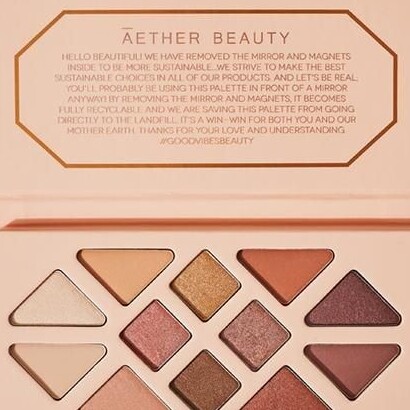
Nida: When it comes to makeup, I know a lot of people love MAC, but Aether Beauty is such a good alternative. They’re completely cruelty-free, vegan, and they’re really big on sustainability. Their packaging is even recyclable!
Isha: That’s so cool! Aether Beauty also donates to environmental charities, which is another win. Supporting beauty brands that don’t exploit animals or people should be a priority, especially considering how some of these big corporations stay silent on human rights issues like Palestine.
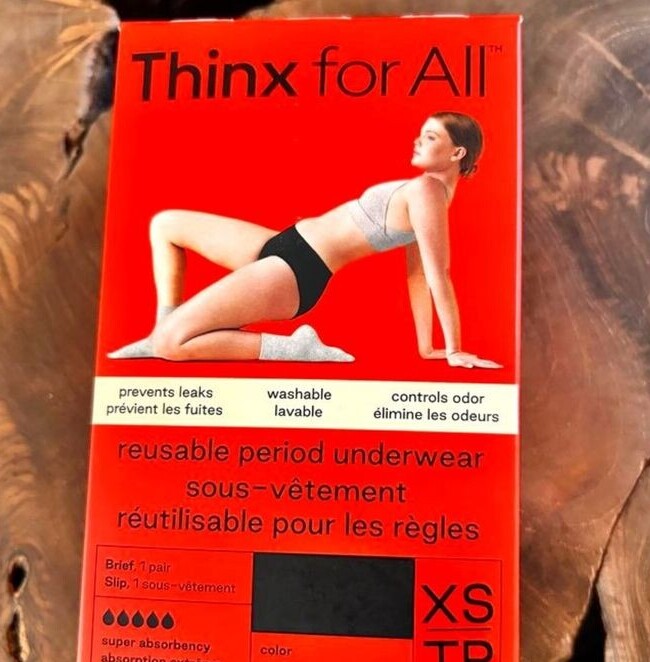
8. Thinx instead of Always
Amina: For personal care, especially period products, I’ve switched from brands like Always to Thinx. They’re all about sustainable menstrual care, and their products are reusable. Plus, they’ve got programs that support menstrual equity, which is important in marginalized communities.
Nida: That’s such a great choice! We often don’t think about the waste we create with period products, but switching to something sustainable like Thinx can have a huge positive impact. And by supporting companies that care about equity, we’re also making a statement about the kind of world we want to live in.
9. Eileen Fisher instead of Mango
Isha: Eileen Fisher is a great ethical alternative to Mango. They focus on slow fashion and sustainability. They even have a take-back program where they recycle or reuse their old clothes. And they pay their workers fairly.
Amina: I appreciate that they’re so transparent about their supply chain. It’s the kind of brand that aligns with our values of supporting justice and equality, especially in light of what’s happening in places like Palestine.
10. Mecca Candle Co. instead of Bath & Body Works
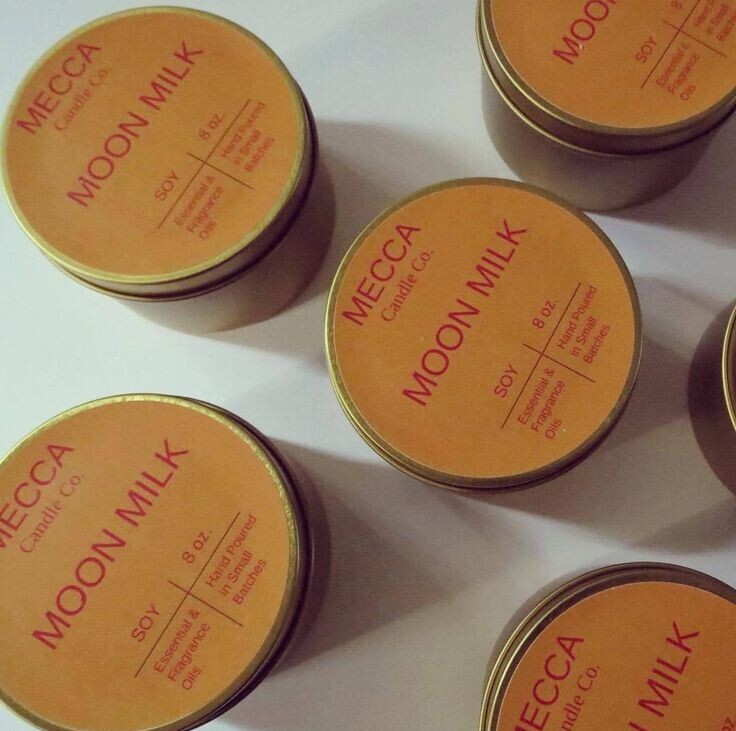
Nida: For home products, like candles, I used to love Bath & Body Works, but Mecca Candle Co. is an ethical alternative that’s closer to home. It’s a small, Muslim-owned business, and they make beautiful, handcrafted candles. Plus, they give back to charity with every purchase.
Isha: That’s a great way to support small businesses and ensure that your money isn’t going to companies that remain silent on issues like Palestine. Supporting local or ethical brands like Mecca Candle Co. is a powerful statement.
Amina: This is exactly what we need to be doing—making intentional choices that reflect our values. By supporting ethical brands, we’re saying that we care about human rights, fairness, and the well-being of marginalized communities.
Isha: Absolutely. It’s not just about finding alternatives; it’s about reshaping how we think about shopping. Our choices have power, and we need to use that power to stand with oppressed people, whether it’s the workers making our clothes or communities like Palestine who are fighting for their rights.
Nida: Exactly! It’s all connected. If we can start by switching to these ethical brands, we’ll not only feel better about where our money is going, but we’ll also be supporting a more just and compassionate world.
Switching to ethical alternatives isn’t just about finding better products; it’s about aligning our purchases with our values. By supporting brands that promote sustainability, fair trade, and justice, South Asian women can take a stand for the rights of marginalized communities, including those affected by the Palestine-Israel conflict. Every choice we make matters.
No Responses